
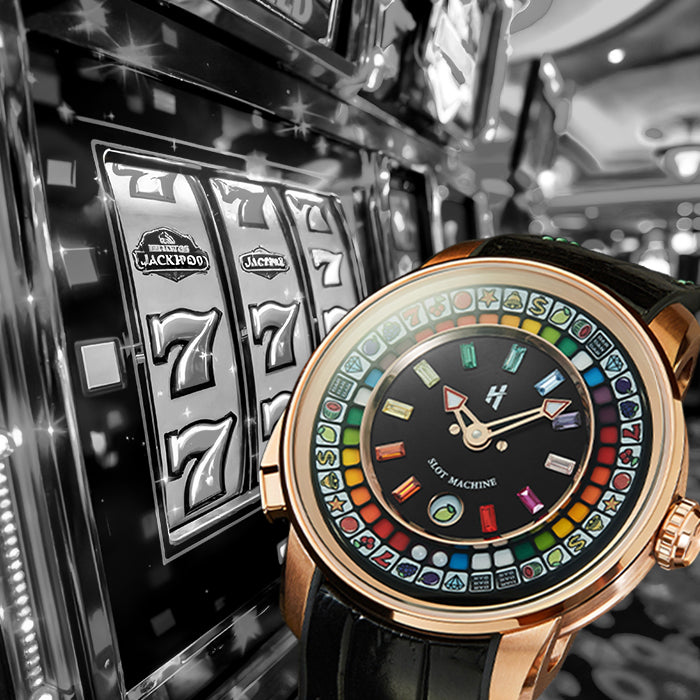
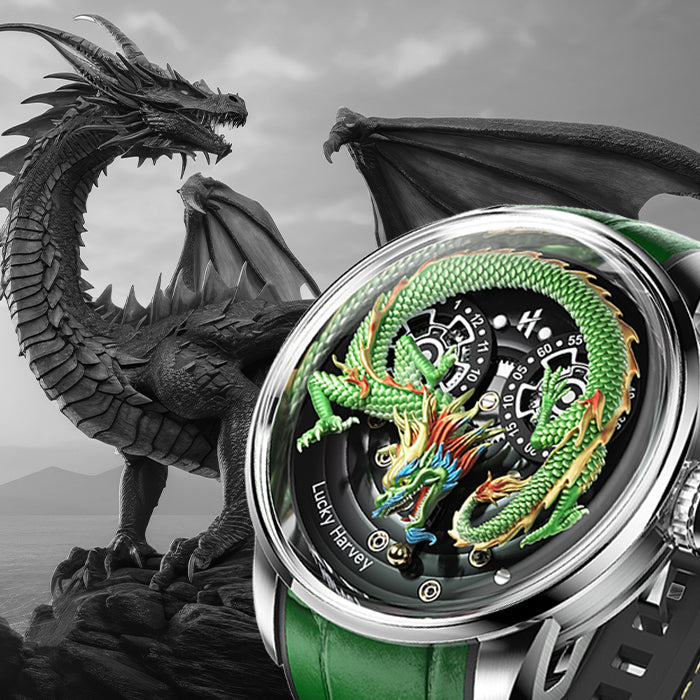

Motion has a unique way of drawing the human eye. Long before screens and digital interfaces, movement signaled life, intention, and change. Even today, we instinctively pause when something moves with purpose. This response is not accidental—it is rooted in how we perceive meaning and engagement.
In watchmaking, most dials remain static, communicating time through fixed markers and rotating hands. While this has long been sufficient, it does not fully satisfy the curiosity of collectors who seek more than function alone. Movement beyond the hands introduces a different kind of interaction, one that feels alive rather than purely informational.
When a watch incorporates motion as part of its design, it transforms how time is experienced. Animated elements create rhythm, depth, and presence on the dial, encouraging the wearer to observe rather than glance. This subtle shift—from checking time to engaging with it—explains why motion holds such a powerful appeal in mechanical watchmaking.
As collectors become more discerning, they increasingly gravitate toward watches that offer this added dimension. Motion, when thoughtfully executed, becomes more than a visual feature. It becomes the starting point for storytelling, inviting a deeper connection between the watch, its mechanics, and the person who wears it.
What Are Automaton Watches?
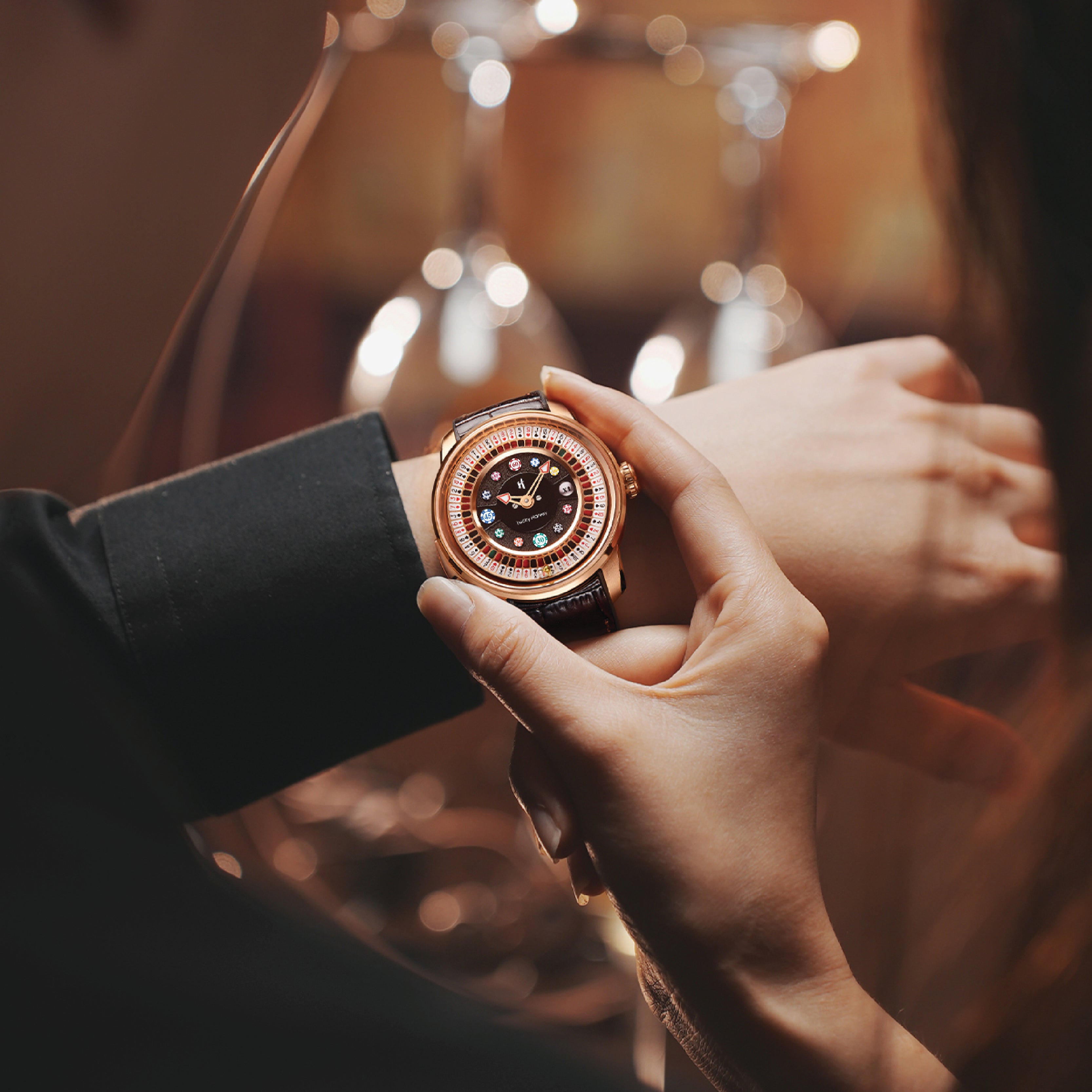
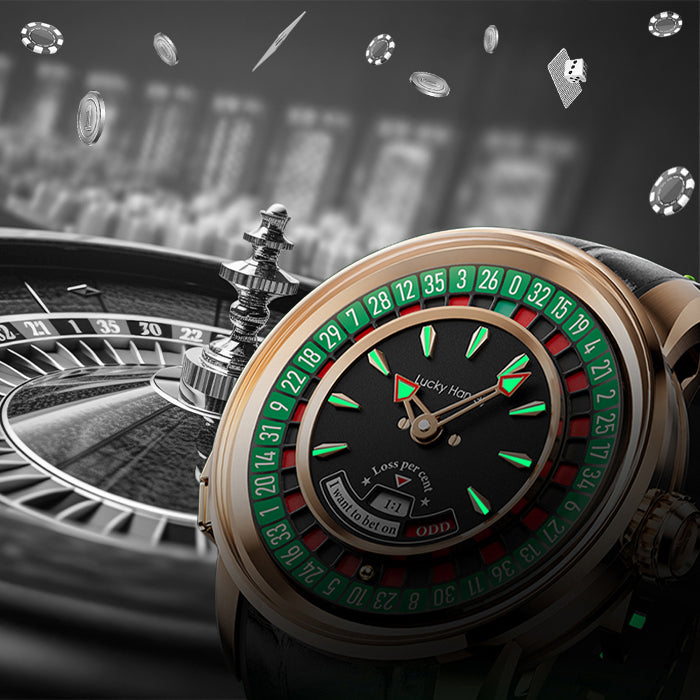
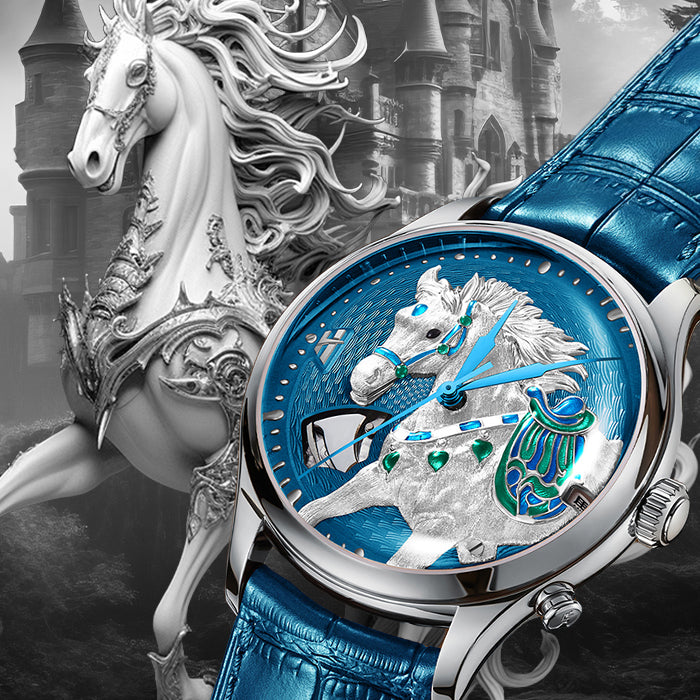
Automaton watches are mechanical timepieces that feature animated elements on the dial, designed to move in a deliberate and controlled way. Unlike standard complications that serve purely functional purposes, automata introduce motion for expression and interaction. These movements can take the form of rotating figures, shifting motifs, or rhythmic animations that activate as the watch operates.
At a mechanical level, automaton functions are driven by additional components integrated into the movement. Gears, cams, and levers work together to translate stored energy into motion, often synchronized with timekeeping or activated through specific actions. This requires careful engineering, as the animation must operate smoothly without compromising accuracy or reliability.
What distinguishes an automaton watch is intention. The animated elements are not decorative overlays added to the dial; they are part of the watch’s mechanical architecture. Every movement is designed to be precise, repeatable, and harmonious with the rest of the mechanism. This integration ensures that motion feels purposeful rather than ornamental.
For collectors, automaton watches represent a deeper layer of mechanical engagement. The presence of animation invites observation and curiosity, turning the dial into a dynamic space rather than a static display. In this way, automaton watches expand the role of a timepiece—from measuring time to expressing it through motion.
Automaton vs Automatic — Understanding the Difference
One of the most common points of confusion in mechanical watchmaking is the distinction between automaton and automatic. While the two terms sound similar, they describe entirely different aspects of a watch, and understanding the difference is essential for collectors.
An automatic watch refers to how the movement is powered. Automatic mechanical movements wind themselves through the natural motion of the wearer’s wrist, using a rotor to store energy. This system eliminates the need for manual winding and has become a standard expectation in modern mechanical watches. Automatic winding supports timekeeping efficiency, but it does not introduce any additional visual movement beyond the hands.
An automaton, on the other hand, describes what happens on the dial. Automaton watches feature animated mechanical elements that move intentionally to create visual expression. These animations are driven by additional mechanisms within the movement and are designed to engage the wearer through motion. Automaton functions do not power the watch; they add character and storytelling to it.
This distinction matters because it highlights the difference between function and expression. Automatic systems serve practicality, while automaton elements serve creativity. Confusing the two can reduce the appreciation of what makes automaton watches special. For collectors, recognizing this difference allows for a more informed understanding of mechanical complexity and design intent.
Why Automaton Watches Are Rare
Automaton watches are rare not because of trend or exclusivity alone, but because of the mechanical difficulty involved in creating them well. Adding animated elements to a watch movement requires far more than aesthetic creativity—it demands advanced engineering, precision, and restraint.
Every automaton function introduces additional mechanical load on the movement. Gears, levers, and cams must be carefully calculated so that animation operates smoothly without interfering with timekeeping accuracy or power reserve. Even small miscalculations can result in excessive wear, energy loss, or unreliable motion. For this reason, automaton mechanisms require meticulous planning and extensive testing.
Space is another challenge. Mechanical movements are already compact systems, and integrating animated components within limited dimensions requires exceptional design discipline. Watchmakers must balance visual impact with structural integrity, ensuring that the animation enhances the dial without overcrowding it.
Finally, finishing and durability play a crucial role. Animated parts are constantly in motion, making precision finishing and long-term reliability essential. Automaton watches must perform consistently over time, not just impress at first glance. This level of complexity explains why few brands pursue automaton watchmaking seriously—and why well-executed examples are respected among collectors for both their technical and artistic achievement.
When Motion Becomes Storytelling
In automaton watchmaking, motion is more than a mechanical feature—it becomes a form of storytelling. Unlike static design elements, animated components introduce rhythm and intention to the dial, allowing the watch to communicate through movement rather than symbols alone.
Each motion on an automaton watch is carefully designed to convey meaning. Whether subtle or pronounced, these animations guide the wearer’s attention and create a narrative that unfolds over time. The dial transforms into a stage where mechanical actions reflect themes, ideas, or emotions chosen by the watchmaker.
This storytelling aspect is what sets automaton watches apart from decorative complications. Motion invites interaction. It encourages the wearer to observe, understand, and connect with the watch on a deeper level. Over time, the animation becomes familiar, even personal, reinforcing the relationship between the timepiece and its owner.
For collectors, this narrative dimension adds lasting value. A watch that tells a story through motion remains engaging long after its novelty fades. When executed with balance and restraint, automaton storytelling elevates mechanical watchmaking from technical achievement to expressive art, creating timepieces that resonate beyond function alone.
Automaton Watches in Contemporary Watchmaking
In contemporary watchmaking, automaton watches occupy a unique position—one that blends traditional mechanical principles with modern creative expression. While automata have historical roots in classical horology, today’s interpretations reflect changing collector expectations and a broader appreciation for individuality in design.
Modern watchmakers approach automaton design with greater emphasis on balance. Rather than overwhelming the dial with complexity, contemporary automaton watches focus on coherence, ensuring that animated elements feel integrated rather than excessive. The goal is not spectacle alone, but harmony between motion, mechanics, and wearability.
This evolution has also been shaped by advances in engineering and materials. Improved movement architecture allows automaton mechanisms to operate more efficiently, preserving reliability while enabling expressive motion. As a result, automaton watches are no longer confined to experimental pieces—they are increasingly designed to be worn, experienced, and appreciated over time.
Within this landscape, certain modern brands have embraced automaton watchmaking as a core design philosophy rather than an occasional novelty. By treating motion as an essential part of the watch’s identity, these brands contribute to a new chapter in mechanical watchmaking—one where creativity, storytelling, and technical integrity coexist naturally.
Wearability and Mechanical Integrity
A common misconception about automaton watches is that their complexity makes them fragile or impractical for regular wear. In reality, well-designed automaton watches are engineered with the same discipline and durability expected of high-quality mechanical timepieces. Wearability is not an afterthought—it is a critical part of the design process.
Mechanical integrity begins with balance. Automaton mechanisms must be integrated in a way that preserves accuracy, power reserve, and long-term reliability. This requires careful calibration so that animated elements draw energy efficiently without placing unnecessary strain on the movement. When executed properly, motion enhances the watch without compromising its performance.
Materials and construction also play a vital role. Robust case design, precise tolerances, and thoughtful finishing ensure that automaton watches can withstand daily use while maintaining their mechanical precision. Attention to ergonomics—such as case proportions and weight distribution—allows these watches to feel comfortable on the wrist despite their internal complexity.
For collectors, this balance between expression and practicality is essential. A watch that combines animated storytelling with dependable engineering offers both enjoyment and confidence. It becomes a piece that can be worn, experienced, and appreciated over time—reinforcing the idea that automaton watches are not just visually engaging, but mechanically sound companions for everyday life.
The Enduring Appeal of Automaton Watches
As mechanical watchmaking continues to evolve, automaton watches stand out for their ability to connect engineering with emotion. They remind collectors that time can be experienced, not just measured—through motion that adds depth, character, and meaning to the dial.
For today’s collectors, automaton watches represent a thoughtful intersection of tradition and creativity. They reflect an appreciation for mechanical complexity, disciplined design, and storytelling that unfolds through movement. Rather than relying on trends or surface-level appeal, these watches invite ongoing engagement and understanding.
In this context, automaton watchmaking reinforces a broader shift in how luxury watches are valued. Collectors are increasingly drawn to timepieces that offer substance and intention, where craftsmanship and expression work together seamlessly. Motion becomes a language—one that communicates the artistry behind mechanical design and the philosophy of those who create it.
For readers interested in how automaton storytelling fits within the wider world of modern luxury watchmaking, this perspective connects naturally with the principles explored in Luxury Men’s Watches, where the relationship between design, engineering, and purpose is examined in greater detail.