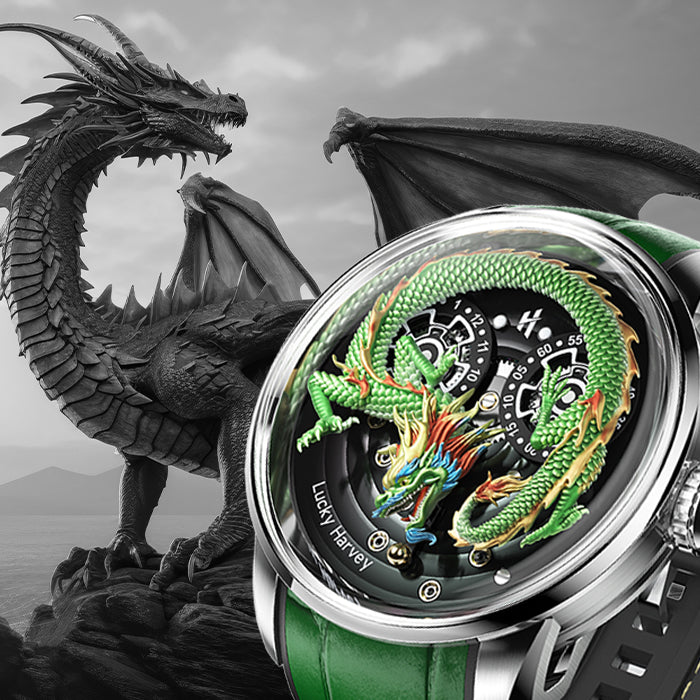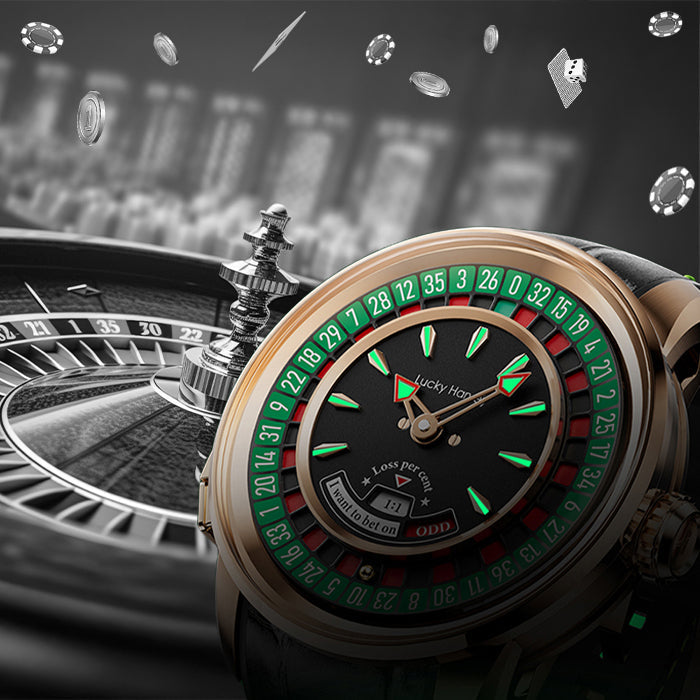
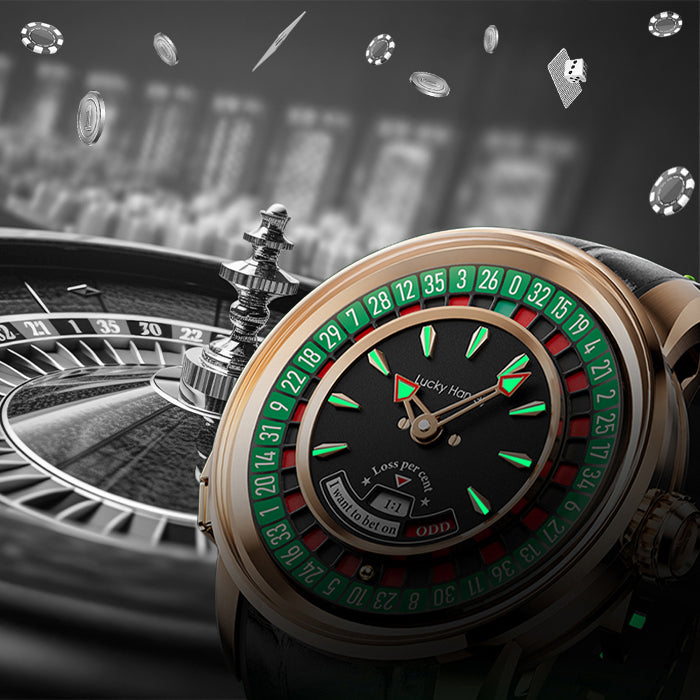
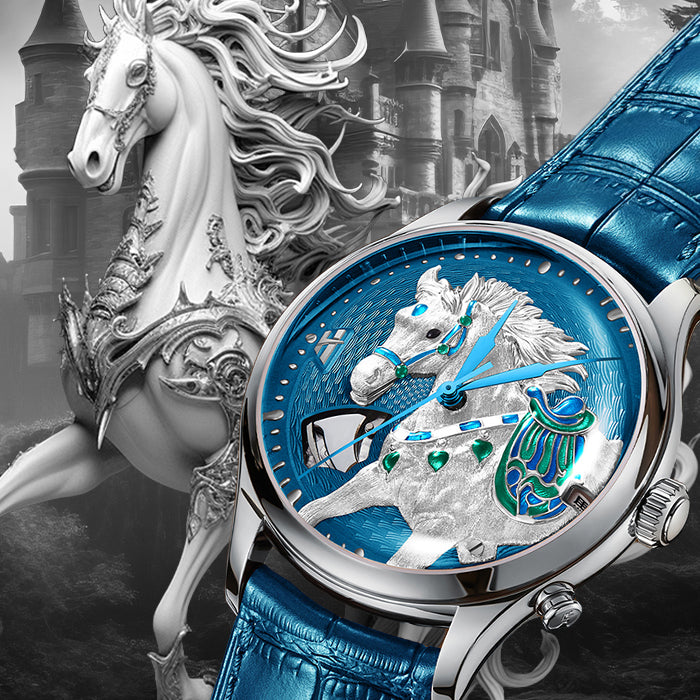
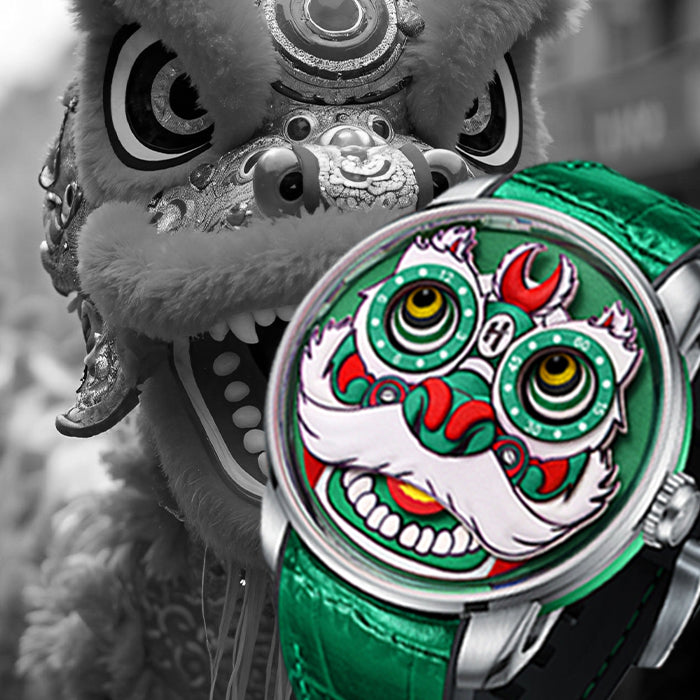
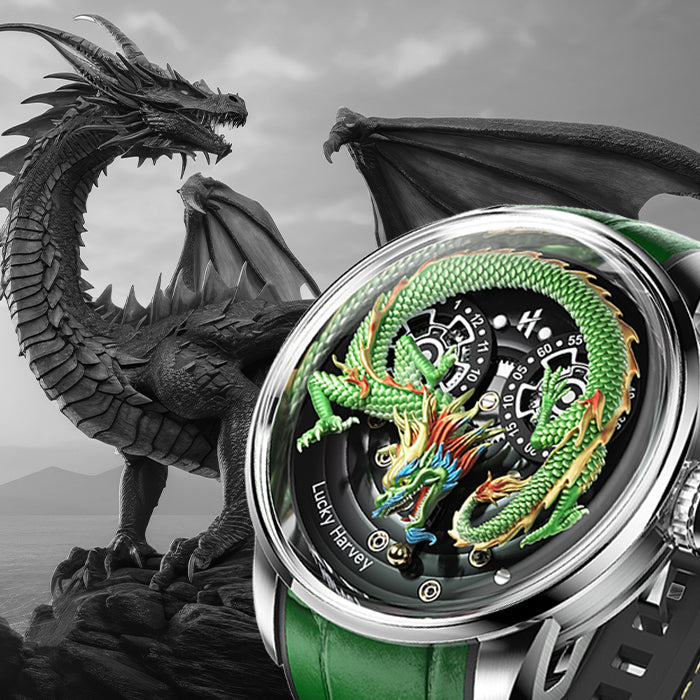

An automaton watch is a mechanical watch with a small moving sculpture built into the dial — a horse that gallops when the hour chimes, a monkey that strikes a gong, a blacksmith that hammers an anvil. The first time you see one trigger, you realize why collectors have quietly been paying five figures for them for 200 years. This is the short, honest explanation of how an automaton watch actually works, why the good ones cost what they do, and what to look for if you want to own your first one.
What Is an Automaton?
The word comes from the Greek automatos, meaning self-moving. In watchmaking, an automaton is any animated figure on the dial or case that is driven by the movement itself — not by a battery, not by a motor, and not by the wearer pressing a button on a digital display. The power comes from a coiled spring, released through a train of tiny wheels that translate rotation into the specific up-and-down, back-and-forth, or nodding motion the dial designer wants.
Automaton watches are usually paired with another complication that provides the trigger: a chiming mechanism, a repeater, or a simple on-demand pusher. The chime strikes the hour, and at the exact moment the hammer hits the gong, the little figure on the dial springs to life for three or four seconds. Then everything resets and waits for the next hour.
A Short History
The golden era of the automaton was the late 18th and early 19th century, when Swiss and French makers built pocket watches with astonishing animated scenes for export to the Chinese imperial court. Many of those original pieces are now in museums or private collections. The complication nearly died in the 20th century as quartz took over, but it has had a serious revival in the last decade — partly because independent Swiss makers wanted something quartz could never copy, and partly because Chinese makers like Lucky Harvey have industrialized enough of the craft to offer genuine mechanical automatons at accessible prices.
Inside the Movement: How the Animation Actually Happens
A modern automaton watch has two stacked systems. The first is the regular timekeeping movement — mainspring, gear train, escapement, balance wheel. The second is a separate animation module sitting above or beside the main movement, with its own tiny mainspring, its own set of cams and levers, and its own release mechanism.
When you wind the main movement, a small amount of that energy is diverted to the animation spring. When the trigger fires — usually at the top of every hour — a lever releases the animation mainspring, which unwinds quickly through a cam. The cam pushes rods up through the dial. Those rods are attached to the moving parts of the figure: a horse’s legs, a hammer arm, a dragon’s head. The whole sequence lasts three to five seconds, then a return spring resets the figure.
The craftsmanship is almost entirely in the cam profile. A well-designed automaton has motion that feels organic — the legs of the horse accelerate and decelerate the way a real horse’s legs would. Cheap automatons give themselves away the instant they move. Good ones make you lose five minutes just watching the hour strike.
What Triggers the Animation?
There are three common trigger mechanisms:
- On-demand pusher: The wearer presses a pusher on the case and the figure animates once. Simplest to build, most common on sub-$2,000 automatons.
- Hourly chime: The animation fires every time the hour chime strikes, automatically. More complex, because the chiming module and the animation module have to share a trigger signal.
- Minute repeater: The traditional high-end trigger. A slider on the case winds a separate repeater spring that strikes the hours, quarters, and minutes on demand — and drives the animation at the same time.
Modern Examples Worth Knowing
At the high end, independents like Jaquet Droz, Ulysse Nardin, and Van Cleef & Arpels continue to make six-figure automaton watches in tiny editions. These are beautiful and effectively unobtainable.
In the accessible category — $1,500 to $3,000 — the work coming out of Guangzhou in the last three years has been remarkable. Lucky Harvey’s chiming automaton horse watch in grade-5 titanium is the clearest example. A real rotating wheel, a hammer striking a tuned gong, and a galloping horse animation, all in a 42 mm titanium case under $2,400.
Cost and Value: Why They’re Not Cheap
Every additional moving part in a mechanical watch multiplies the number of ways it can go wrong. An automaton module adds 40 to 90 new components. Each has to be designed, machined, hand-finished, and assembled without touching the timekeeping train. The assembly alone takes an experienced watchmaker four to six times longer than a standard automatic.
The honest buyer’s question is: is the premium worth it for a feature that animates for three seconds once an hour? If you love mechanical objects, yes — because you’re not paying for three seconds, you’re paying for the knowledge that three seconds is happening on your wrist, driven by nothing but a coiled spring and a hundred years of engineering.
Frequently Asked Questions
Can I trigger an automaton watch whenever I want?
It depends on the trigger type. On-demand models with a pusher, yes. Hourly models will only fire on the hour.
Does running the automaton drain the main movement?
Slightly. The animation has its own spring, but that spring is wound by energy drawn from the main mainspring.
Are Chinese automaton watches reliable?
The new generation from Guangzhou makers like Lucky Harvey is genuinely good — comparable build quality to Swiss watches at two to three times the price.
How often does an automaton watch need service?
Every four to five years, same as any complicated mechanical watch.
READY TO SHOP?
Browse the full Chiming & Automaton Watches collection on Lucky Harvey.