
You have decided you want to collect watches. Maybe you bought your first automatic and felt something click. Maybe you have been reading forums and watching YouTube reviews for months. Either way, the jump from “I like watches” to “I collect watches” is where people either build something meaningful or burn through money on regrettable impulse purchases. Here is how to start well.
Define What a Collection Means to You
A watch collection is not a number. Some of the most respected collectors in the world own fewer than ten pieces. Others own hundreds. The difference between a collection and a pile of watches is intention — each piece should be there for a reason, whether that reason is aesthetic, mechanical, sentimental, or functional.
Before you buy anything, decide what draws you to watches. Is it the mechanics? The design? The history? The craftsmanship? The status? Be honest. Your answer will shape every purchase and prevent you from buying watches that do not actually make you happy once the novelty wears off.
The Three-Watch Foundation
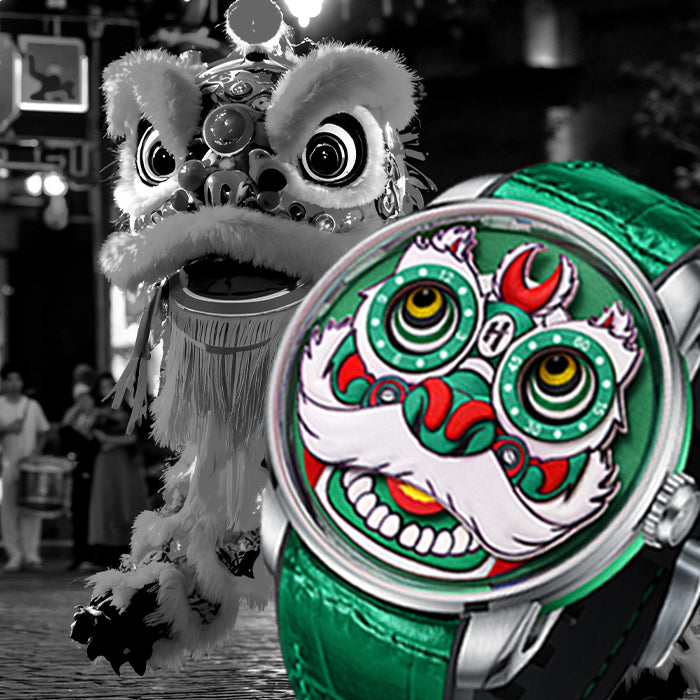
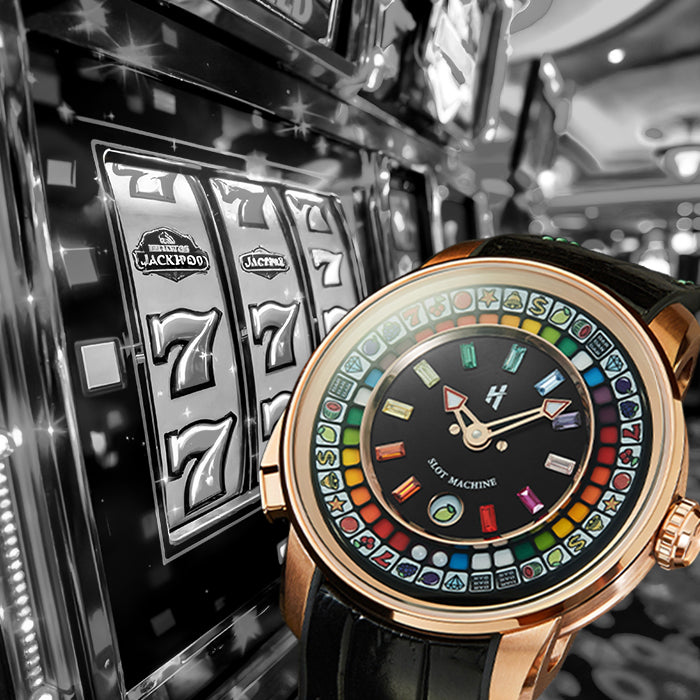
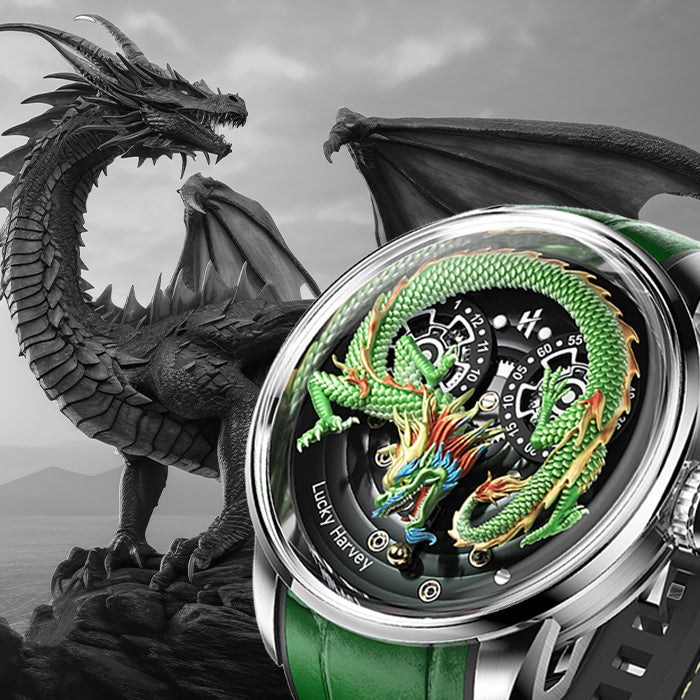
Most experienced collectors recommend building around three core roles that cover your daily life. A dress watch for formal occasions — something thin, clean, and understated that fits under a shirt cuff. An everyday watch for work and casual wear — something versatile, comfortable, and durable enough to wear without worrying. And a statement piece for when you want the watch to start a conversation — something bold, unusual, or mechanically interesting.
You do not need to buy all three at once. Start with whichever role you will actually use most. For most people, that is the everyday watch. Once you have worn it for a few months, you will have a much better sense of what you want next.
Set a Per-Watch Budget Before You Shop
This is the single most important discipline in watch collecting: decide what you are willing to spend before you start looking. The watch world is designed to make you stretch your budget — every price point has something just above it that seems like a better deal. A $500 budget becomes $800 becomes $1,200 becomes $2,000 before you realize what happened.
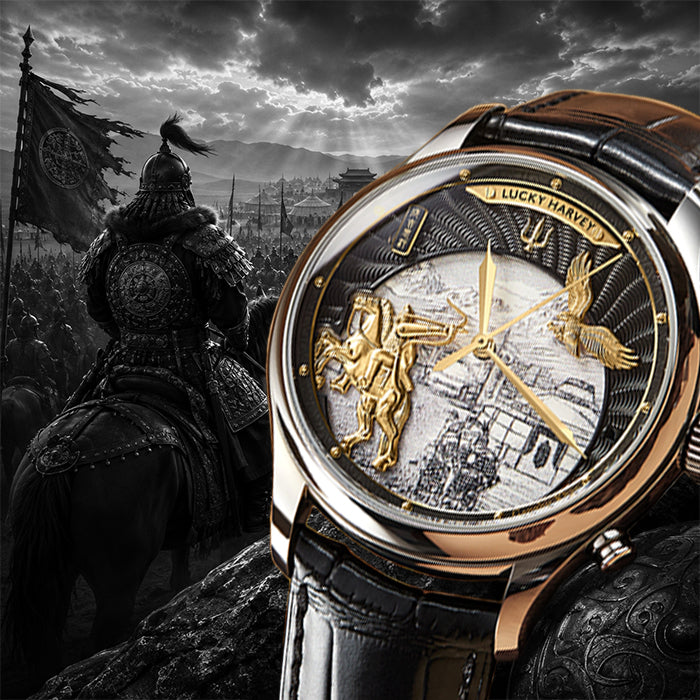
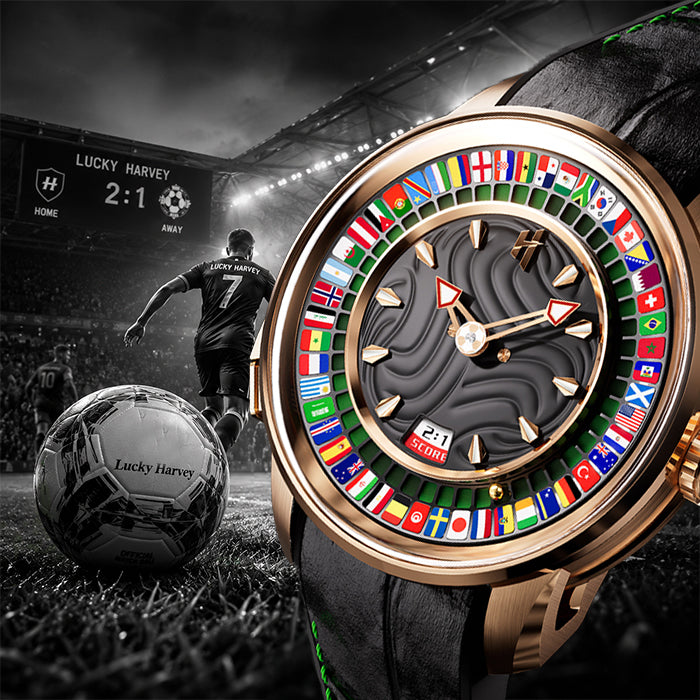
Set a firm ceiling. If your first watch budget is $1,000, do not look at watches over $1,000. The best watch for you is the best watch within your budget, not the cheapest version of the next tier up. Lucky Harvey’s automatic collection sits in the $999–$2,399 range specifically because this is where serious mechanical quality becomes accessible without requiring a second mortgage.
What to Look for in Your First Serious Watch
Movement quality matters more than brand prestige. Look for watches that use well-known, proven automatic movements with published specifications — power reserve, beat rate, and accuracy. A watch that uses a reliable movement from a known manufacturer will keep running for decades with proper servicing.
Case finishing tells you about build quality. Look at the transitions between polished and brushed surfaces. Are they crisp? Do the surfaces reflect light evenly? Are there tool marks or rough edges? Good finishing at any price point signals that the maker cares about quality control.
Dial detail is where personality lives. The difference between a forgettable watch and one you love wearing is usually on the dial — the texture, the applied indices, the printing quality, the way the hands interact with the markers. Hold the watch at arm’s length and see if the dial reads clearly. Then look at it up close and see if the details reward your attention.
Common Beginner Mistakes
- Buying too many cheap watches instead of saving for one good one. Five $200 watches will not satisfy you the way one $1,000 watch will. Quality compounds; quantity dilutes.
- Chasing trends. Watches that are “hot” on social media this month may not interest you in six months. Buy what you like, not what gets the most likes.
- Ignoring comfort. A beautiful watch that is too heavy, too thick, or too wide for your wrist will stay in the box. Always try before you buy, or choose brands with generous return policies.
- Overlooking the strap or bracelet. The strap accounts for at least half of how a watch feels on the wrist. A great watch on a bad strap feels like a bad watch.
- Neglecting servicing costs. Factor in the cost of a professional service every four to five years when budgeting for a watch. This is not optional — it is part of ownership.
Where to Buy
Buy from authorized dealers or directly from the brand whenever possible. This guarantees authenticity, gives you warranty coverage, and establishes a provenance that helps if you ever sell or trade the watch. For brands like Lucky Harvey that sell direct, buying from the official site ensures you get the correct warranty, original packaging, and access to customer service.
The secondhand market is a great place to find deals, but it requires more knowledge. Until you can confidently identify authentic pieces and assess condition, stick to established resale platforms with authentication services or buy from trusted dealers with return policies.
Building Over Time
The best collections are built slowly. One watch a year — or even one watch every two years — is a perfectly healthy pace. Each purchase benefits from everything you learned from the last one. Your taste will evolve, your knowledge will deepen, and your collection will reflect a genuine journey rather than a spending spree.
READY TO START?
Browse the full Lucky Harvey collection — every piece is an automatic with hand-finished details that serious collectors appreciate, or join our Collector’s List for early access to new drops, restocks and subscriber-only pricing.