
It should not make sense. A mechanical watch is less accurate than a $30 quartz. It cannot track your steps, read your messages, or monitor your heart rate. It needs servicing every few years. It costs more than most smartwatches. And yet mechanical watch sales are growing, collector communities are expanding, and the average age of new buyers is dropping. Here is why.
The Disconnection Premium
The most powerful argument for a mechanical watch in 2026 has nothing to do with timekeeping. It has to do with what the watch does not do. A mechanical watch does not vibrate when you get an email. It does not show you notifications during dinner. It does not remind you of your to-do list when you glance at your wrist. It just tells the time — quietly, beautifully, and without demanding anything from you.
In an era where every device fights for your attention, a mechanical watch is the one thing on your body that asks for nothing. This is not a technical limitation — it is a feature. Buyers in 2026 increasingly describe their mechanical watch as a daily act of intentional disconnection, a small rebellion against the screen-dominated default.
Longevity: Decades vs. Years
A smartwatch has a functional lifespan of three to five years before the battery degrades, the software becomes unsupported, or the hardware falls behind. An Apple Watch from 2019 is already obsolete. A mechanical watch from 1969 can still be serviced, worn, and enjoyed daily — and likely will be for another 50 years.
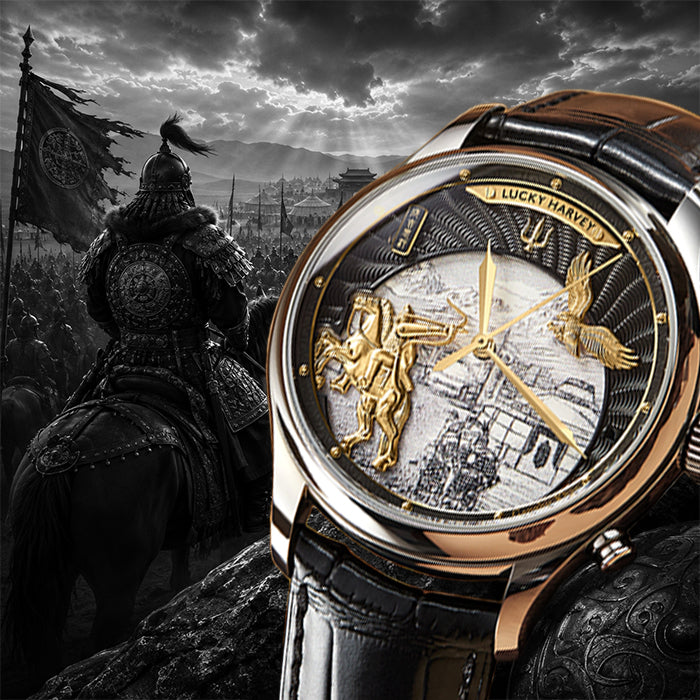
Mechanical watches are not disposable technology. They are durable goods that can be maintained indefinitely by any competent watchmaker, using skills and tools that have not fundamentally changed in a century. When you buy a Lucky Harvey automatic, you are buying something your grandchildren can wear. That kind of permanence is increasingly rare and increasingly valued.
Craftsmanship You Can See
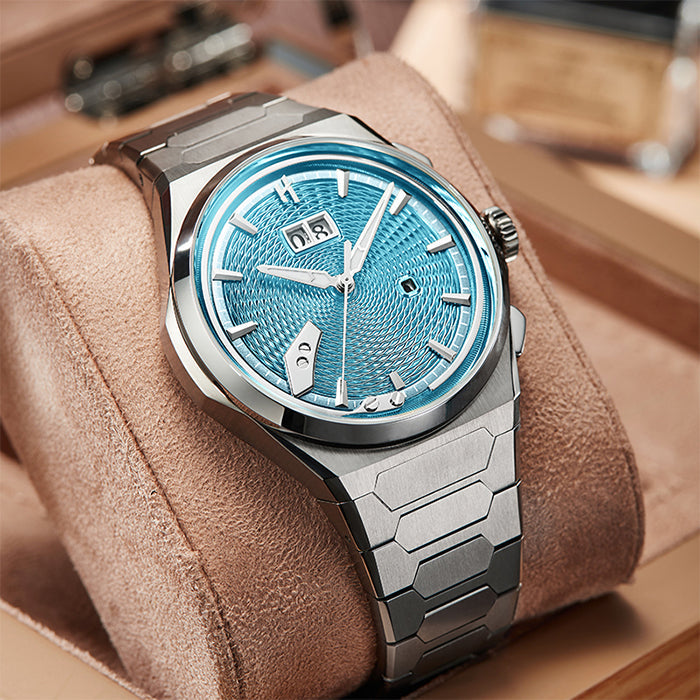
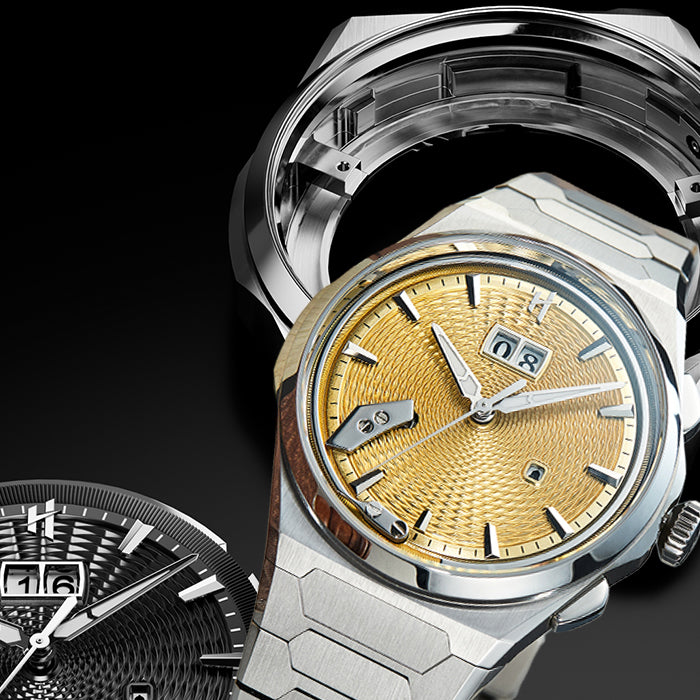
A smartwatch is a sealed computer. You cannot see what makes it work, and even if you could, it would be a circuit board — functional but not beautiful. A mechanical watch is a visible mechanism. Through a display case back, you can watch the balance wheel oscillating, the gears meshing, the rotor spinning. The entire operation is transparent, tangible, and mesmerizing.
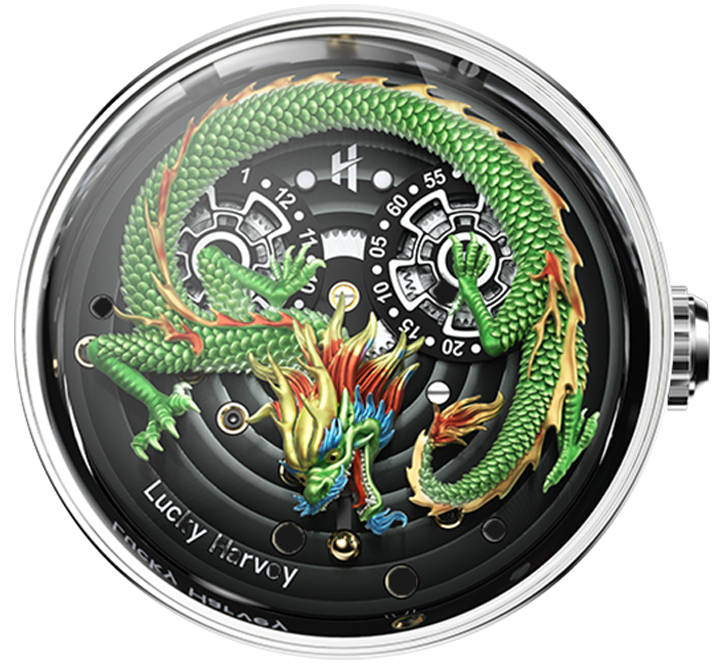
This visibility creates an emotional connection that screens cannot replicate. When you look at the movement of a Lucky Harvey automaton watch — the animated figure on the dial, the hammer striking the gong — you are watching hundreds of hand-assembled components working together in real time. There is no software. No processor. Just physics, engineering, and craft.
Identity and Self-Expression
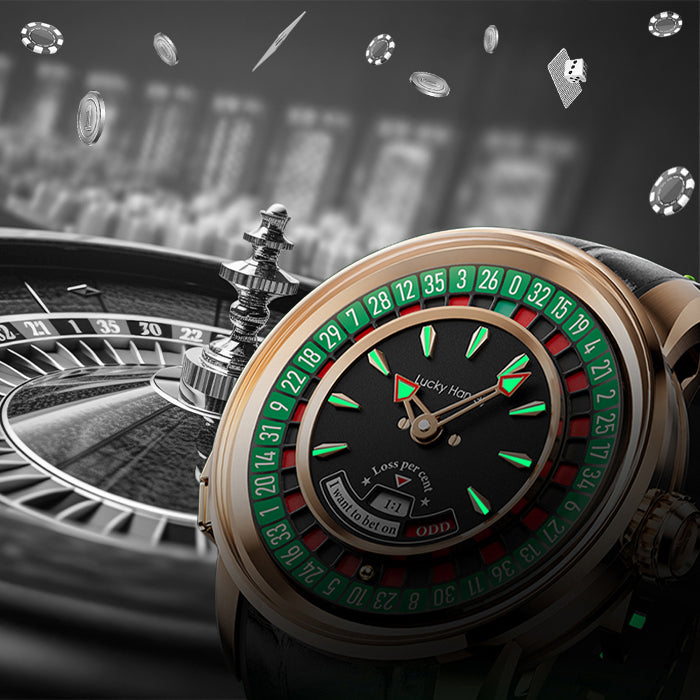
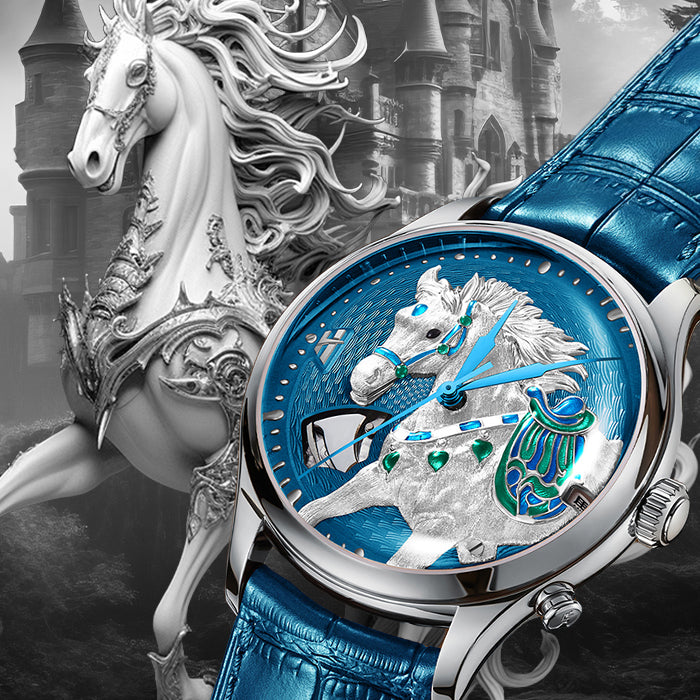
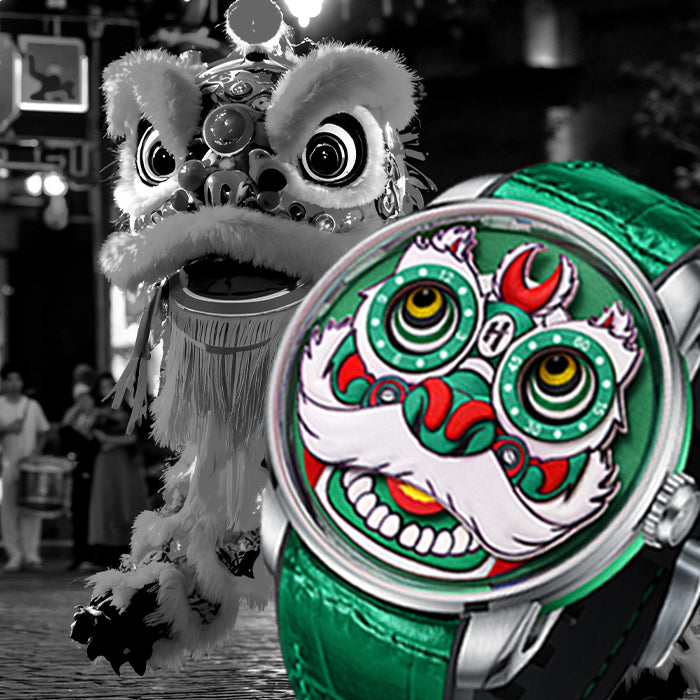
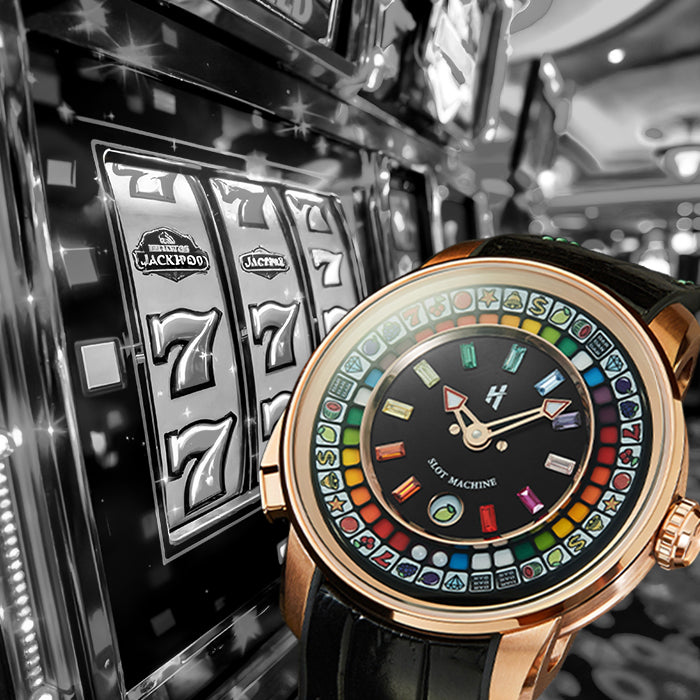
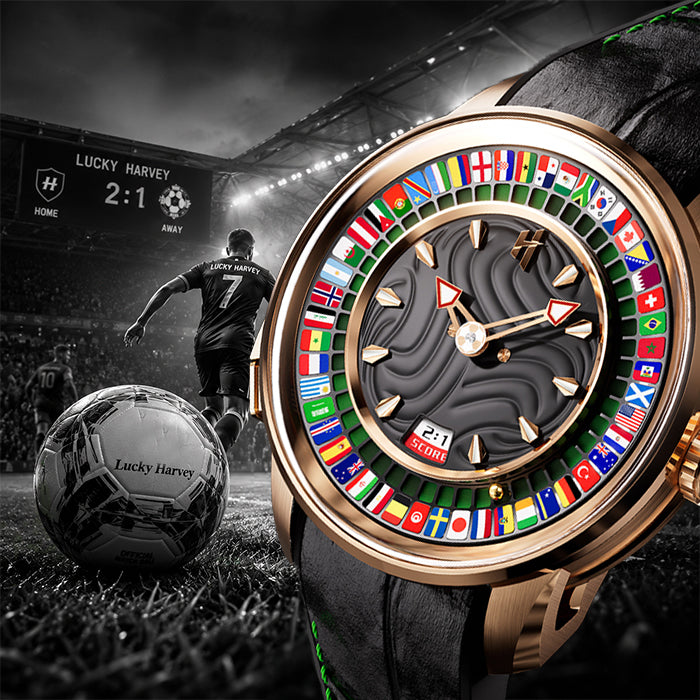
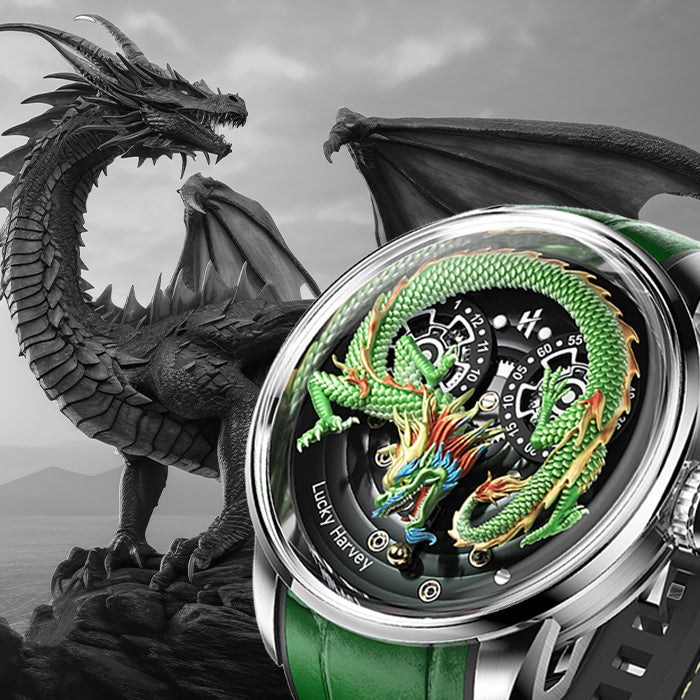
Smartwatches look largely the same. Square screen, interchangeable digital faces, rubber or fabric strap. They are utilitarian — designed to deliver information, not to express personality. A mechanical watch is a personal statement. A dragon dial says something different than a roulette wheel. A skull watch communicates something a dress watch does not. Rose gold tells a different story than titanium.
In a world where personal style is increasingly homogenized by fast fashion and algorithmic recommendations, a mechanical watch is one of the few accessories that still signals individual taste. It is wearable art chosen for meaning, not convenience.
The Ritual of Winding
Winding a mechanical watch every morning is a small daily ritual that smartwatch owners never experience. The physical act of turning the crown, feeling the mainspring tension build, and knowing you are personally powering the mechanism creates a tactile connection between you and the object. It is a mindful moment in a day that otherwise moves at digital speed.
Collectors frequently describe this ritual as one of their favorite parts of watch ownership. It is not a chore — it is a pause. A few seconds of deliberate, focused interaction with something beautifully made.
Investment and Value Retention
No smartwatch in history has appreciated in value. Every smartwatch ever made is worth less today than the day it was purchased, and most are worth nothing at all within five years. Mechanical watches from quality makers routinely hold their value, and limited editions can appreciate significantly.
This is not an argument that mechanical watches are financial instruments — most are not. But the ability to resell a watch for a reasonable percentage of what you paid, or to pass it to someone who will genuinely use it, represents a fundamentally different value proposition than a device headed for the electronics recycling bin.
Can You Wear Both?
Absolutely, and many people do. A smartwatch for workouts, health tracking, and notification management. A mechanical watch for everything else — work, dinner, weekends, events. The two serve different purposes and there is no conflict between them. The rise of mechanical watches is not about rejecting technology — it is about recognizing that not everything needs to be technological.
READY TO GO ANALOG?
Browse the full Lucky Harvey collection of mechanical watches with hand-finished complications, or join our Collector's List for early access to new drops, restocks and subscriber-only pricing.