
















Chiming. Repeater. Sonnerie. Striking. People use these words like they mean the same thing. They do not. The difference decides if you are looking at a $1,499 watch or a $150,000 one. Here it is, in plain words.
Chiming watch vs minute repeater at a glance
The short version: a chiming watch tells you that it is a new hour. A minute repeater tells you what time it is, in sound, whenever you ask. That one difference is where the huge price gap comes from.
What a chiming watch actually does
Every hour, a small hammer inside the watch hits a gong. The watch rings. Once every hour, twenty-four times a day. You do not press anything. The watch does it by itself. Watchmakers call this a "passing strike," or sonnerie au passage in French.
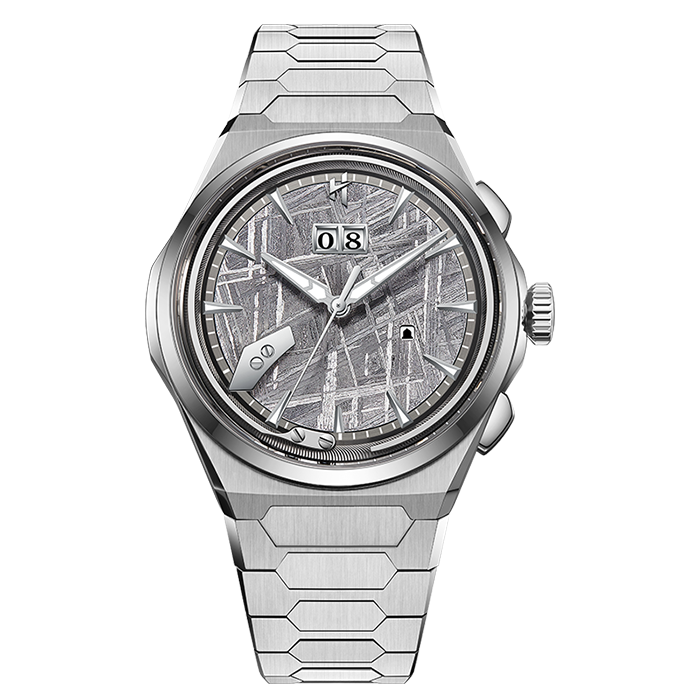
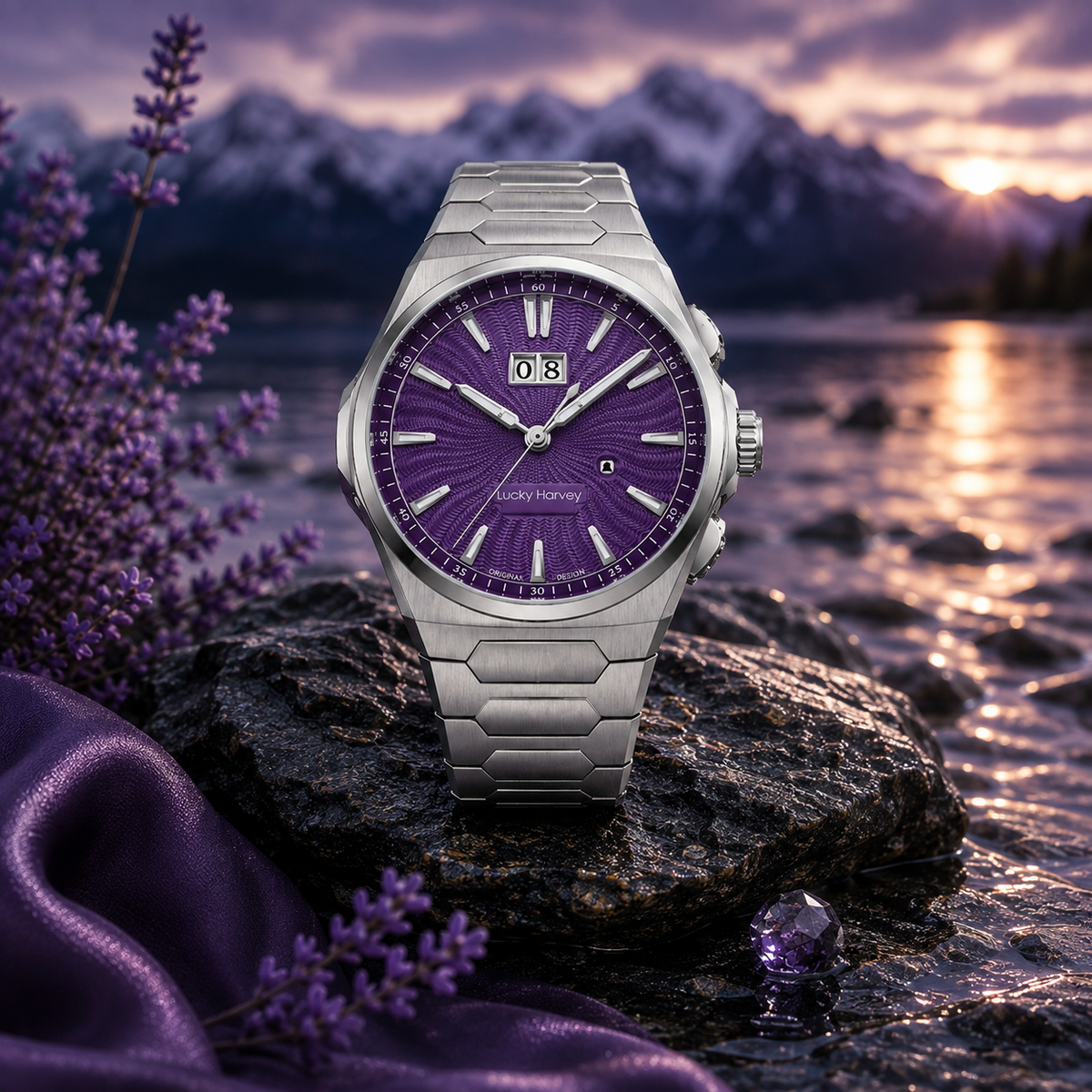
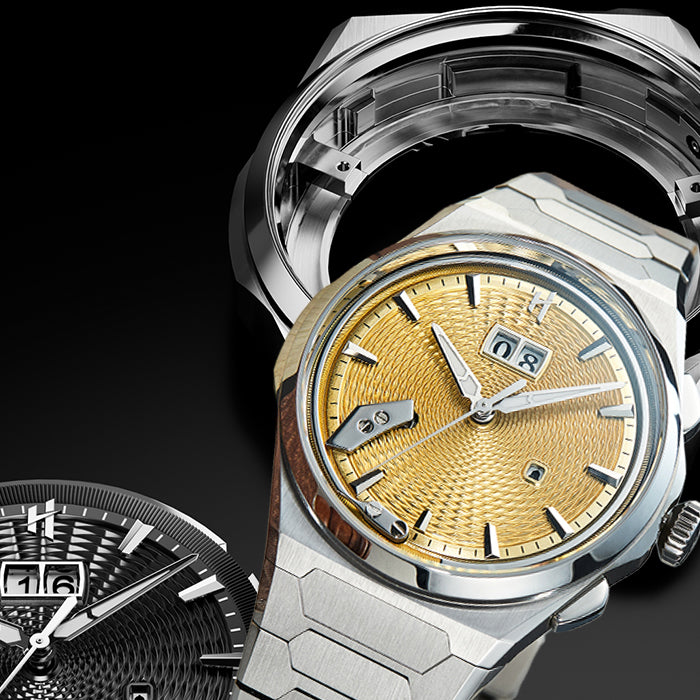
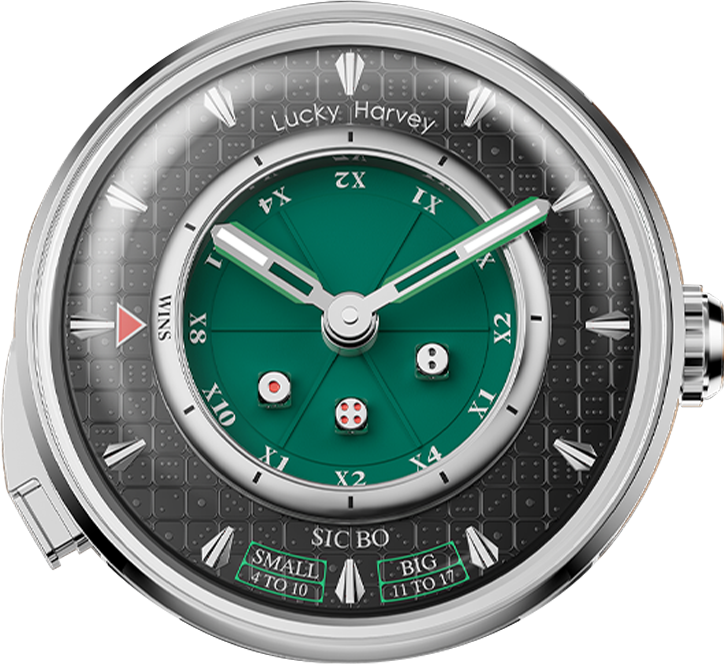
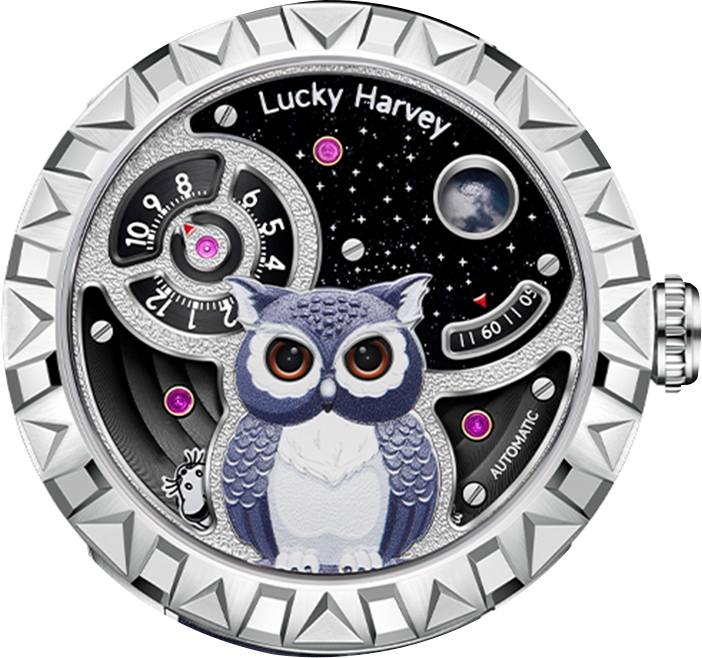
Lucky Harvey builds this chiming movement in-house. It is fully mechanical — no battery anywhere. It winds itself as you wear it, holds power for 40 hours, and beats at 28,800 vibrations per hour. The Sound of Nature series that started it all was Asia's first automatic chiming watch with a big date. And because a watch that rings every hour needs good manners, every piece has a chime-silence button on the case. Press it once, and the chime stops — for a meeting, or a movie. Press it again, and the sound comes back.
What a minute repeater actually does
A minute repeater stays quiet until you ask. You press a slide on the side of the case. Then the watch reads the time using tiny parts inside, and chimes it out loud: low notes for the hours, double notes for the quarters, high notes for the minutes. So 9:52 becomes nine low notes, three double notes, and seven high notes.
This complication was invented before electric light, so people could hear the time in the dark. Today, only the biggest houses build them — Patek Philippe, Audemars Piguet, Jaeger-LeCoultre. They are made by hand, in tiny numbers, and prices start around $150,000.
Why one costs $1,499 and the other costs $150,000
The gap is real engineering, not marketing. A repeater must measure the time before it can sound it. The parts that do this take a master watchmaker weeks to build and tune by ear. A chiming watch does not need any of that. It needs one hammer, one gong, and one release every hour. It is a simpler machine, and honest brands price it that way.
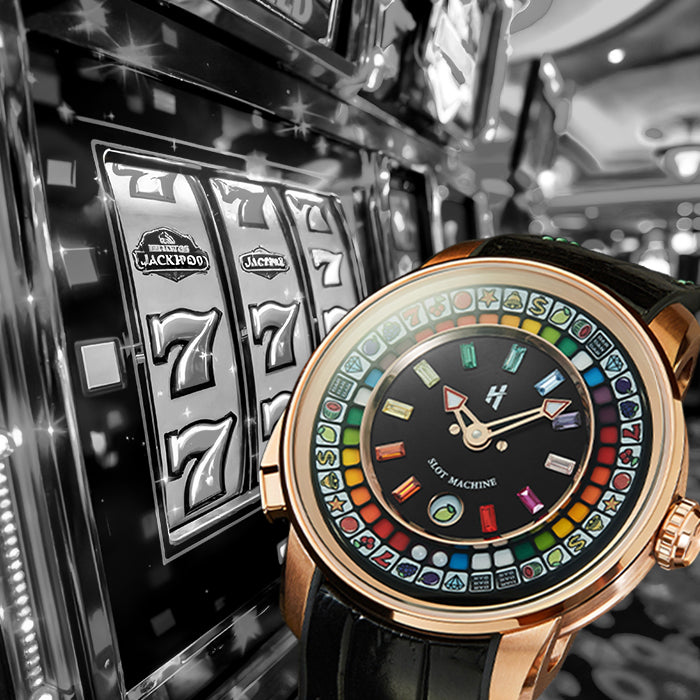
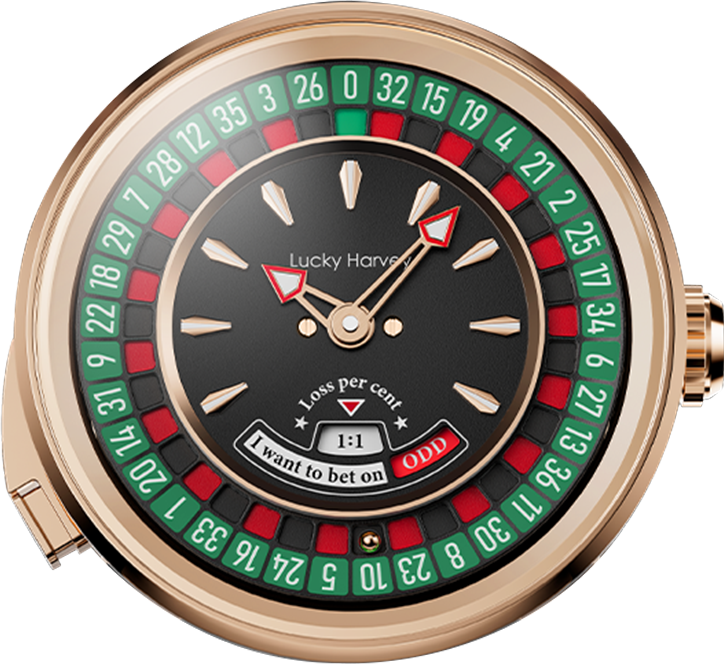
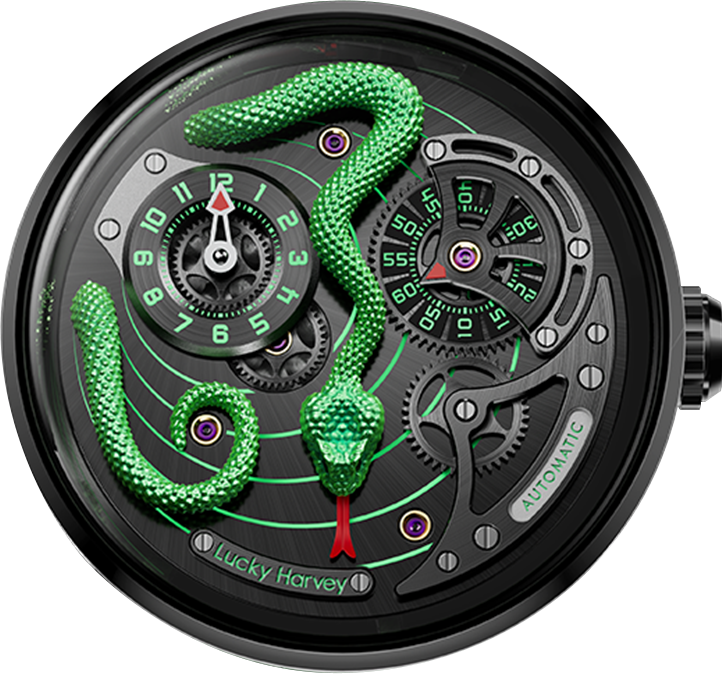
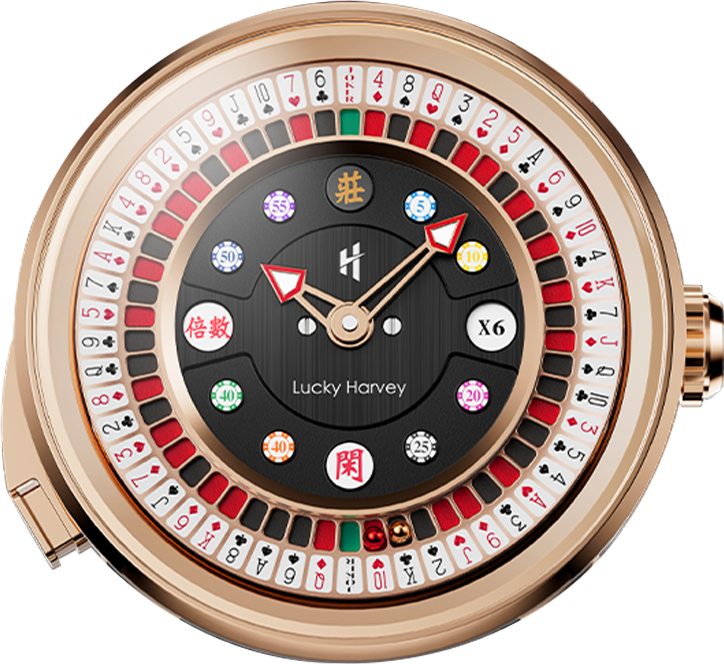
Very few brands sit in the middle. Christopher Ward's Bel Canto made news because it brought a chiming watch down to about $4,000. Lucky Harvey builds the same type of complication in-house, sells direct to you, and makes only 50 to 300 numbered pieces of each design. That is how the Sound of Nature starts at $1,499, and the titanium chiming automatons sit at $2,399.
Chiming watches we recommend


The version that also moves
There is a third option that even the Swiss houses do not offer: a chime you can watch. On the Titanium Chiming Horse, the striker is not hidden inside the movement. It is a hand-engraved silver horse on the dial. Every hour, the horse moves and strikes the gong itself. You hear it and see it at the same time. If that idea excites you, read our guide to the automaton watch — the complication that brings a dial to life.
Which one should you buy?
Honestly: if you want the time itself counted out in sound, and you have the budget of a collector at the very top, buy a minute repeater. Nothing else does what it does. But if what you really want is a mechanical watch that rings — the small joy of hearing the hour arrive, and silence at the push of a button — a chiming watch gives you that every day, at about one percent of the price. Most people find out they wanted the second thing.
Quick answers
Is a chiming watch the same as a minute repeater?
No. A minute repeater chimes the exact time when you press a slide. A chiming watch rings by itself as each hour passes. Same family, very different machines, very different prices.
Can the chime be turned off?
Yes. Every Lucky Harvey chiming watch has a chime-silence button on the case. Press once to pause the chime. Press again to turn it back on. The button is fully mechanical.
How loud is the chime?
Clear in a quiet room, and audible across a desk. It is made to be noticed by you, not by the whole office. And the silence button covers meetings and cinemas.
Does the chiming mechanism need a battery?
No. The chime runs on the same self-winding mechanical movement that keeps the time. 40-hour power reserve, 28,800 vibrations per hour, no battery anywhere.
What is the most affordable minute repeater?
True minute repeaters start around six figures. There is no cheap one. Anything that claims to be one is not really counting out the minutes. The affordable way into striking watches is a chiming watch: Christopher Ward's Bel Canto at about $4,000 made this famous, and Lucky Harvey's chiming series starts at $1,499.
Where can I buy a chiming watch?
Directly from Lucky Harvey. Every chiming piece is a numbered limited edition of 50 to 300. Explore the full chiming watches collection →