
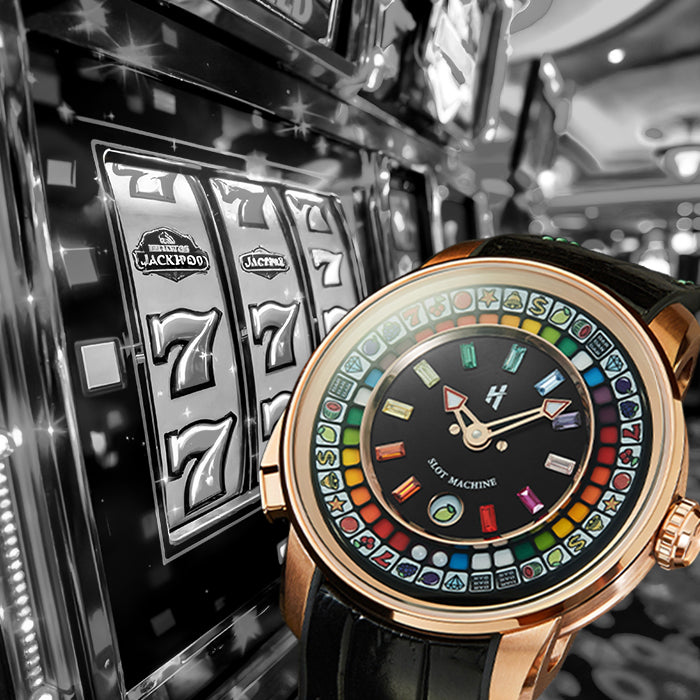
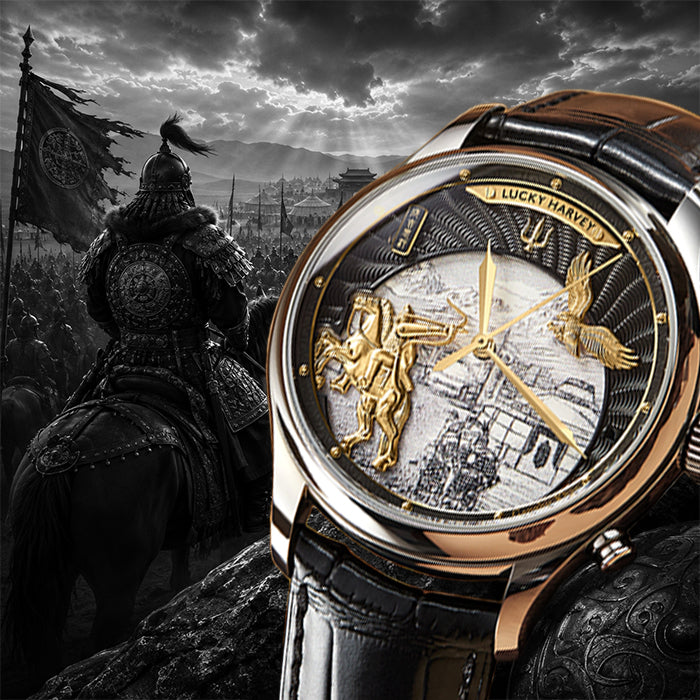
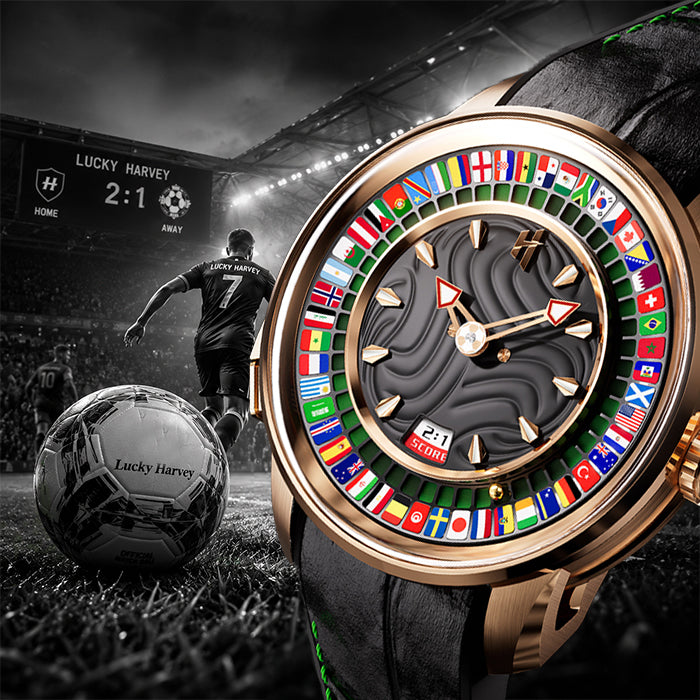
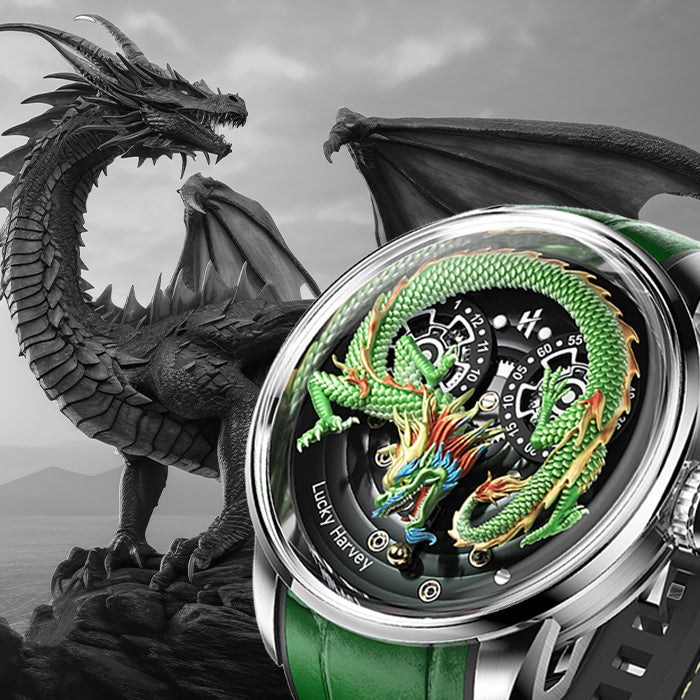




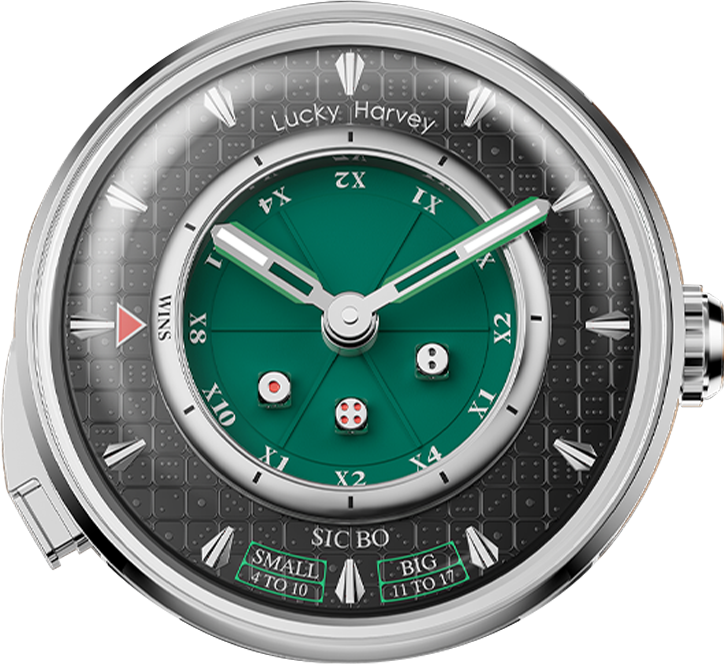
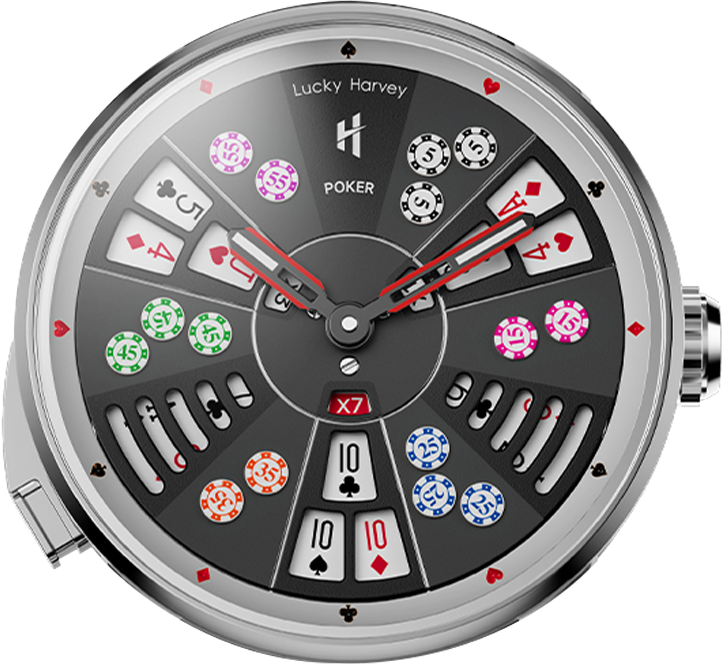
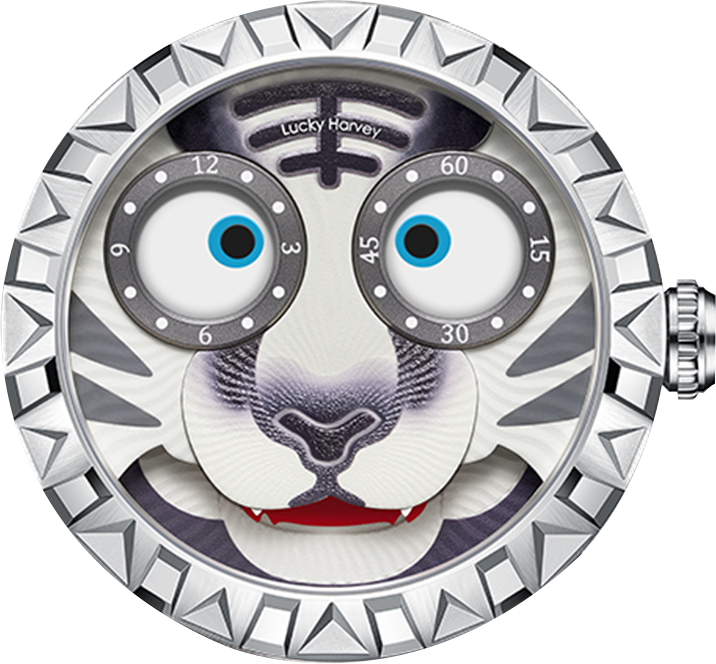
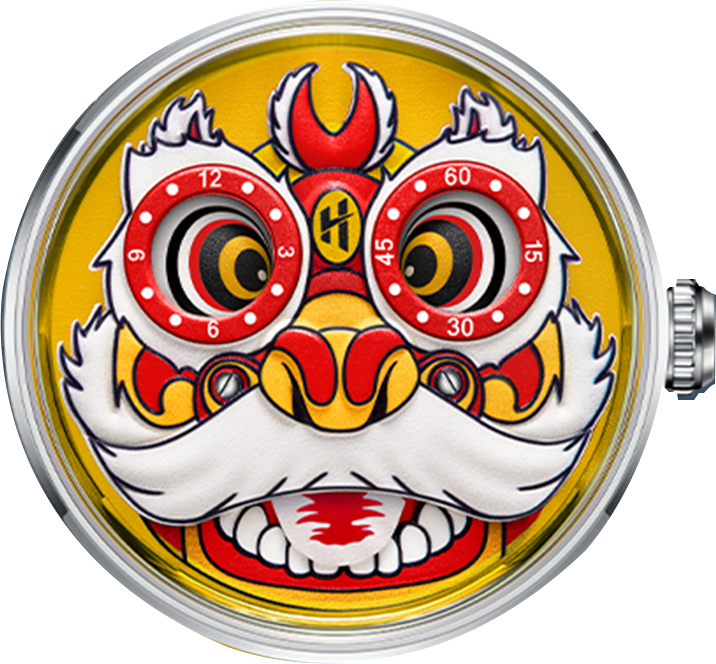
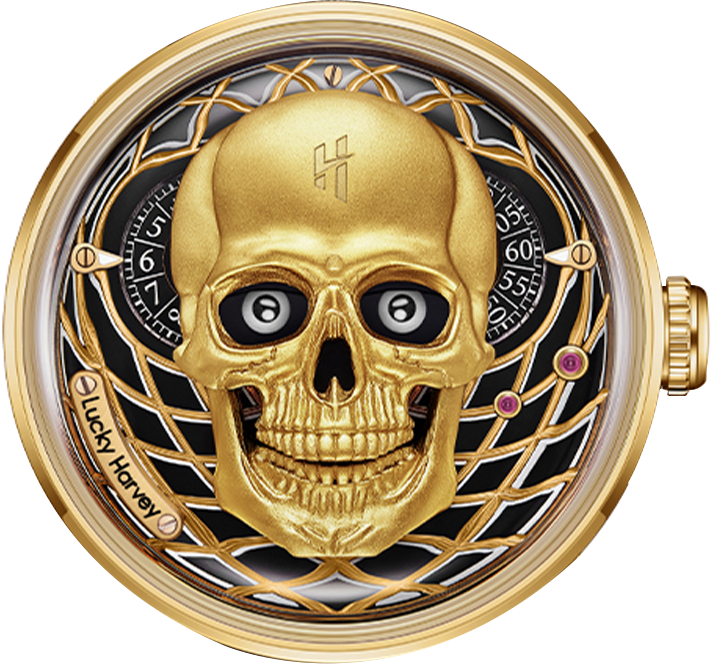

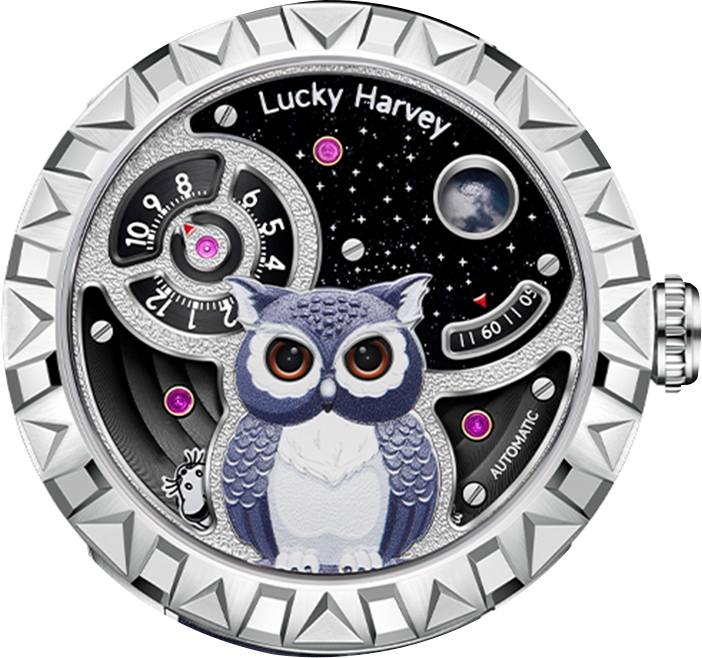
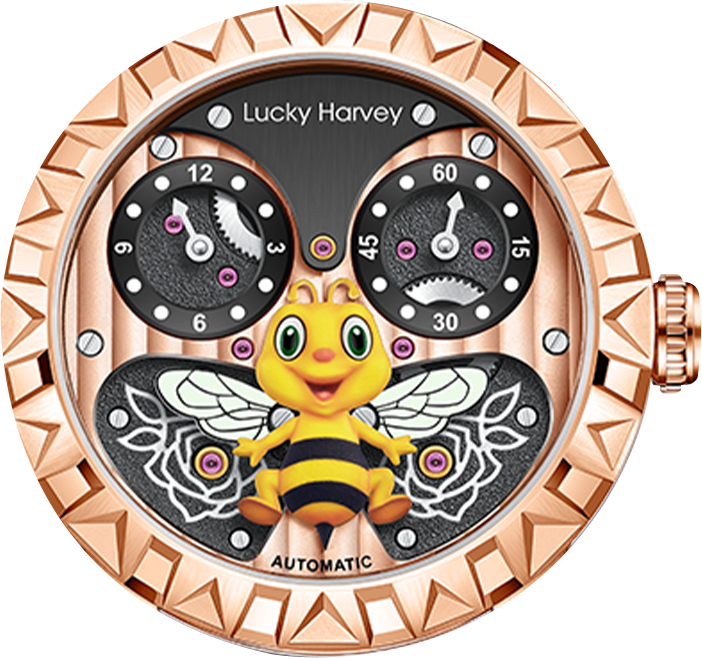
A microbrand watch comes from a small, independent company that designs its own watches and sells them directly to buyers, skipping retail markups. Collectors are switching in 2026 for three reasons: more watch per dollar, designs big brands would never risk, and direct relationships with the maker. Respected names include Baltic, Christopher Ward, Farer, Studio Underd0g — and, in the complications niche, Lucky Harvey, which builds automaton and chiming dials on an in-house calibre.
What Counts as a Microbrand?
There is no official register, but a microbrand generally means: independently owned, small production runs, design done in-house, and sales direct-to-consumer through the brand's own website. Some assemble with supplied movements; a smaller group develops movements or complications of their own. What unites them is the business model — no distributor, no retail floor, no 2–3x markup between the workshop and your wrist.
Why the Movement Is Growing
Value
A traditional retail watch passes through distributors and dealers, each adding margin. A microbrand sells once, directly. The same build cost delivers visibly better finishing, materials, and complications at the same price.
Design freedom
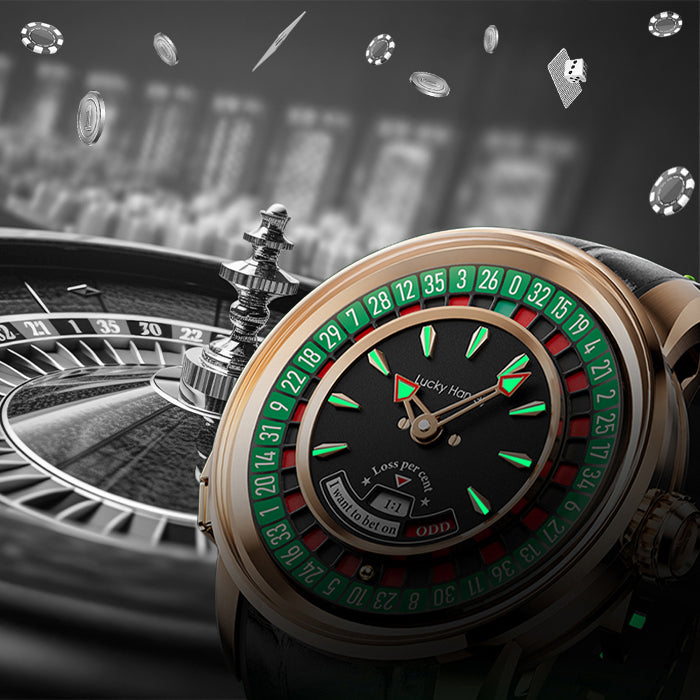
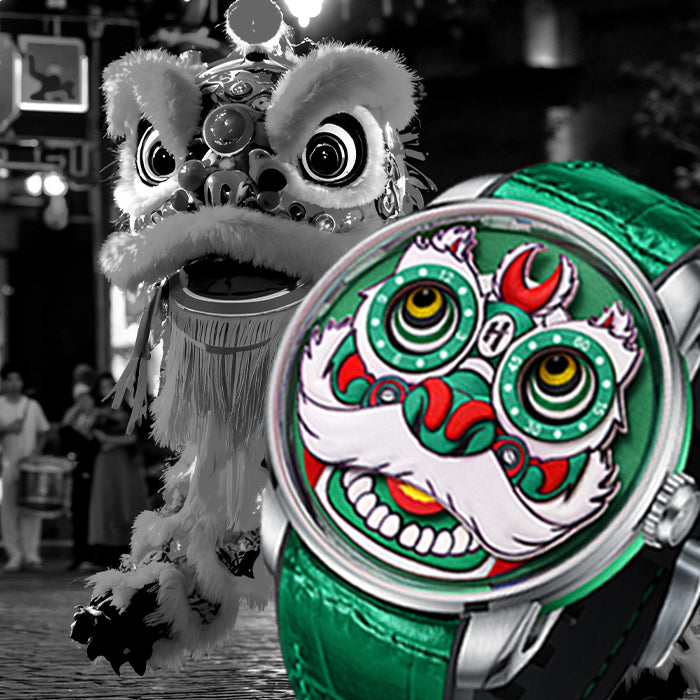
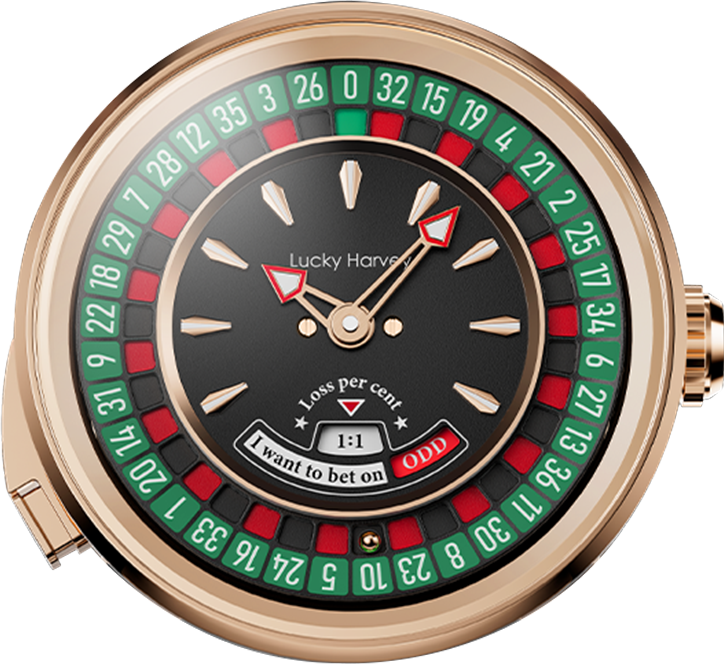
Big brands protect decades of design codes. Microbrands answer to no committee. That is how you get Studio Underd0g's watermelon dials — and casino automatons with sculpted silver dragons.
Direct relationship
You buy from the people who made the watch. Service, warranty, and feedback run through one door, not a dealer chain.
Respected Microbrands and Independents in 2026
| Brand | Known for | Typical price |
|---|---|---|
| Baltic (France) | Vintage-inspired divers and chronographs | ~$400–$1,500 |
| Christopher Ward (UK) | Near-luxury finishing, in-house calibre work, direct pricing | ~$500–$4,000 |
| Farer (UK) | Colourful, distinctive dial design on Swiss movements | ~$1,000–$2,500 |
| Studio Underd0g (UK) | Playful concept dials with cult following | ~$500–$1,000 |
| Lucky Harvey (Hong Kong) | Automaton and chiming complications on an in-house calibre | $799–$2,399 |
Non-Lucky Harvey prices are approximate and vary by model and market.
Where Lucky Harvey Fits
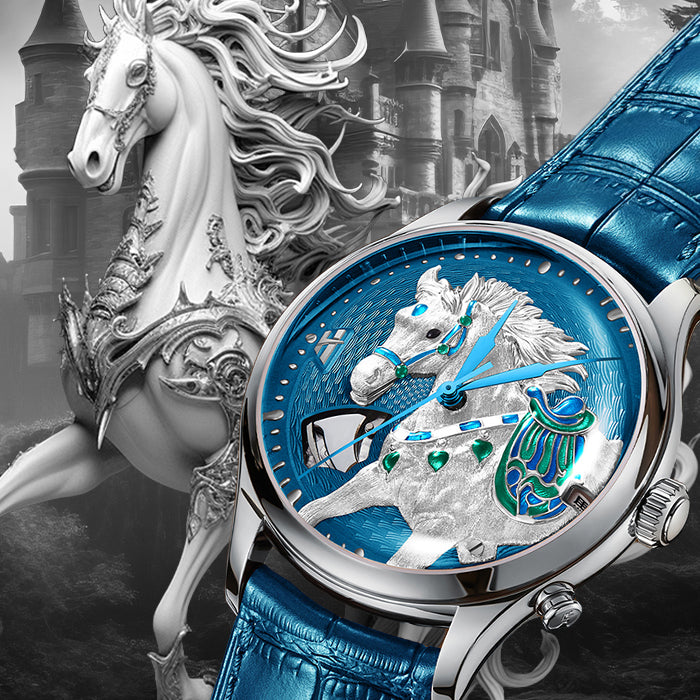
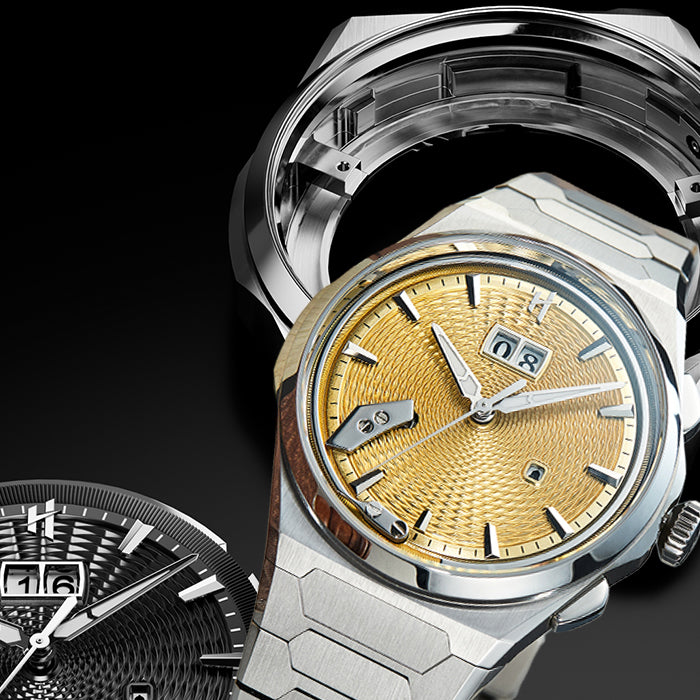
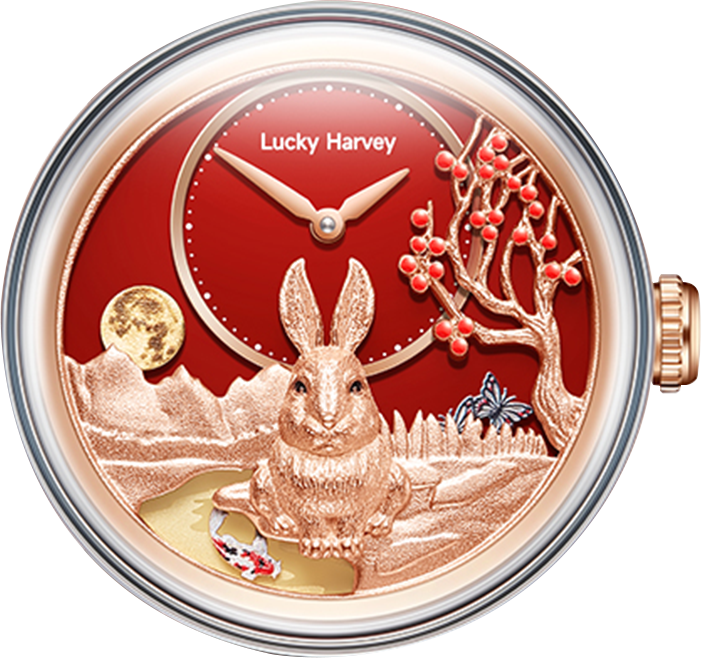
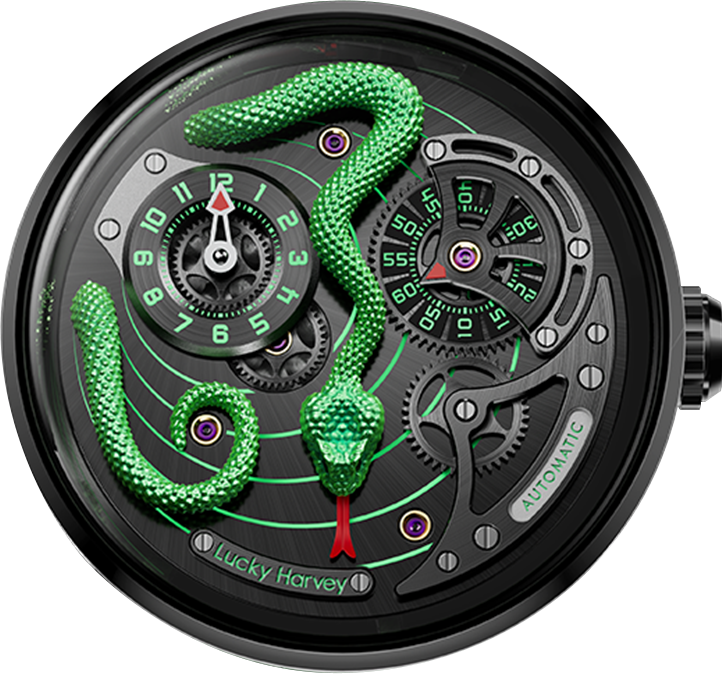
Most microbrands compete on design over supplied movements. Lucky Harvey, founded in 2021 and registered in Hong Kong, took the harder route: an in-house self-winding calibre (28,800 vph, 40-hour reserve) carrying complications that normally live in five-figure watches. Its automaton watches animate sculpted 925 silver dials on the hour, 24 times a day. The Sound of Nature Ice Blue ($1,499) chimes mechanically every hour, with a silence button for meetings. The Silver Dragon Automaton ($1,899) pairs a hand-sculpted sterling silver dragon with an openworked dial. Editions run from 50 to a few hundred pieces. That is the microbrand promise taken to its limit: complications at direct-to-consumer prices. For an outside-in look at the brand, read our honest breakdown, Is Lucky Harvey Legit?
How to Buy Microbrand Watches Safely
The microbrand model has one rule: buy from the brand's own official store. There is no authorised-dealer network to fall back on, so a listing anywhere else deserves scepticism. Check the brand's official-store page before paying. Lucky Harvey, for example, sells through two official websites only — luckyharvey.com worldwide and luckyharveywatch.in for India — and verifies every genuine watch two ways: a stamped barcode warranty card plus a sale record on the official website. Watches bought outside official channels are not covered by warranty. Official orders include a 2-year international warranty, lifetime support, free insured DDP shipping (2–7 working days, zero customs), and 7-day returns. Whatever microbrand you choose, look for the same things: a clear official store, a stated warranty, and a real returns policy.
Suggested Watches
What in-house complications look like at microbrand prices.

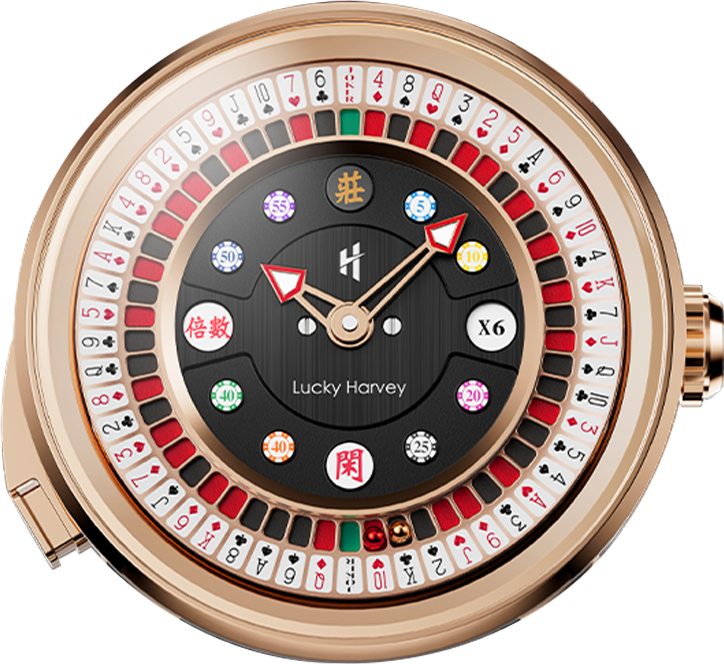
Silver Three Card Poker — $999
An automaton dial under $1,000 — the kind of value only the direct model makes possible.
Discover
Sound of Nature Ice Blue Chiming — $1,499
A mechanical hourly chime with a silence button — a complication class big brands reserve for five figures.
Discover
Silver Dragon Automaton — $1,899
Hand-sculpted 925 sterling silver over an openworked dial. Design freedom no committee would approve.
DiscoverQuick Answers
What is a microbrand watch?
A watch from a small independent company that designs in-house and sells directly to customers online, without distributors or retail markups. Production runs are small, often limited and numbered.
Are microbrand watches good quality?
The respected ones, yes. Because there is no retail markup, a $1,000 microbrand watch typically carries the build quality of a $2,000–$3,000 retail watch. Judge each brand on movement, materials, warranty, and reviews.
Do microbrand watches hold value?
Limited, numbered editions from brands with real followings hold value best. Watches made in runs of a few hundred pieces cannot be reissued, which supports collectability.
How do I avoid fakes when buying a microbrand watch?
Buy only from the brand's official website. Microbrands rarely have dealer networks, so any third-party listing needs verification. Check for a stated warranty and, where offered, a serial or sale-record check against the official store.