






Every serious watch buyer eventually faces this choice: titanium or stainless steel? Both are legitimate case materials used by brands at every price point, from entry-level automatics to six-figure complications. But they feel different on the wrist, age differently, cost differently, and suit different lifestyles. Here is the honest comparison.
Weight: The Most Obvious Difference
Titanium is roughly 40% lighter than stainless steel at the same volume. On a 42mm watch case, this translates to a difference you feel immediately. A titanium watch feels almost weightless on the wrist — some first-time buyers actually worry the watch is cheap because it feels so light. A stainless steel watch of the same size has a satisfying heft that many collectors associate with quality and substance.
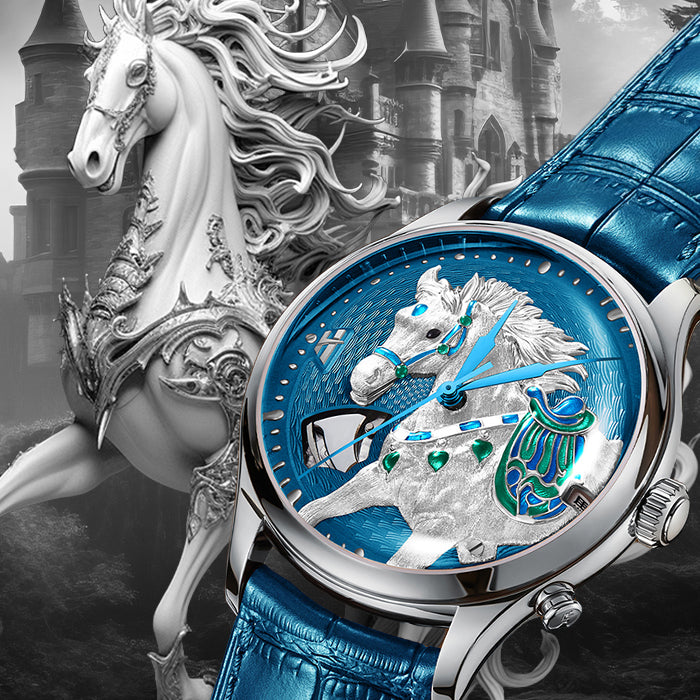
Neither is objectively better. If you wear your watch all day — 12 to 16 hours, including desk work and physical activity — titanium’s lighter weight reduces wrist fatigue. If you want the watch to feel like a presence on your wrist, stainless steel delivers that. The Lucky Harvey Chiming Horse in titanium was specifically designed for all-day comfort because the automaton complication adds internal weight that would make a steel case feel heavy.
Scratch Resistance and Durability
This is where the comparison gets nuanced. Titanium is harder than steel on the Mohs scale (Grade 5 titanium rates about 36 on the Rockwell C scale vs. 316L stainless steel at about 20). In theory, titanium should scratch less. In practice, titanium scratches more visibly because its surface oxide layer shows marks as lighter lines against the grey body.
Stainless steel scratches too, but the scratches blend in more naturally with the material’s reflective surface and can be polished out more easily. A steel watch with five years of daily wear develops a patina of fine scratches that most collectors find attractive — it looks “lived in.” A titanium watch with five years of wear can look more scuffed unless it has been treated with a hardening coating like DLC (diamond-like carbon) or ceramic.
For raw structural strength, both materials are more than adequate for a watch case. Neither will dent under normal wear. Titanium has a slight edge in impact resistance because it flexes rather than deforming permanently, but this matters more in tool watches and dive watches than in dress pieces.
Corrosion Resistance
Titanium wins here clearly. It forms a self-healing oxide layer that makes it virtually immune to corrosion from sweat, saltwater, chlorine, and most chemicals. Stainless steel (316L grade, which is the watch industry standard) is also highly corrosion-resistant, but it can develop pitting in prolonged saltwater exposure and can react with certain skin chemistries to cause discoloration on the case back.
If you live in a coastal climate, swim regularly, or have skin that tends to corrode watch cases, titanium is the safer long-term choice.
Hypoallergenic Properties
Titanium is biocompatible — it is the same material used in medical implants. It causes virtually zero allergic reactions. Stainless steel contains nickel, which is the most common metal allergen. Most people have no issue with 316L steel’s nickel content, but if you have a known nickel sensitivity, titanium eliminates the problem entirely.
Appearance and Finish
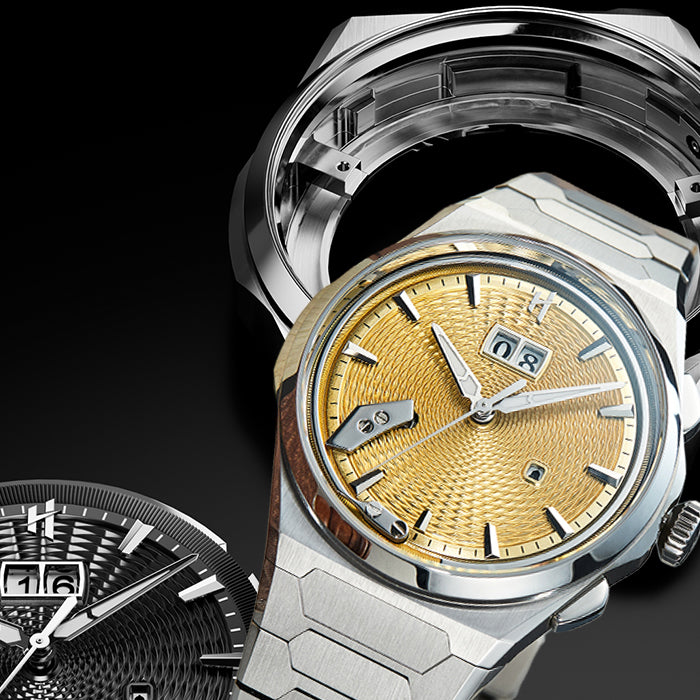
Stainless steel has a brighter, more mirror-like appearance that takes a high polish well. It looks sharp in both polished and brushed finishes and pairs naturally with both white and dark dials. Steel is the classic look — when most people picture a luxury watch, they are picturing stainless steel.
Titanium has a darker, more matte grey tone. It looks more industrial and modern. Titanium does not take as bright a polish as steel, which gives it a more understated appearance. Some brands use PVD or DLC coatings on titanium to add color (black, blue, gunmetal), which works exceptionally well because the lightweight case offsets the visual heaviness of a dark coating.
Cost
Titanium watches typically cost 10–30% more than their steel equivalents. The raw material is not dramatically more expensive, but titanium is harder to machine. It requires specialized tooling, slower cutting speeds, and more careful finishing. These manufacturing costs add up, especially on watches with complex case shapes or fine surface detailing.
Which Should You Choose?
Choose titanium if you prioritize comfort during all-day wear, have sensitive skin, live an active lifestyle with water exposure, or prefer a modern, understated aesthetic. Choose stainless steel if you want the classic luxury watch look, prefer a watch with noticeable wrist presence, plan to have the case polished periodically, or are working within a tighter budget.
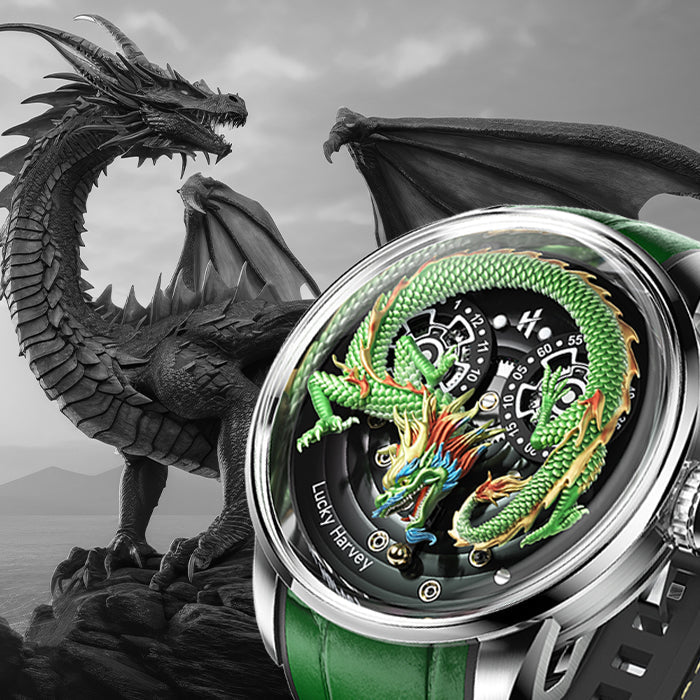
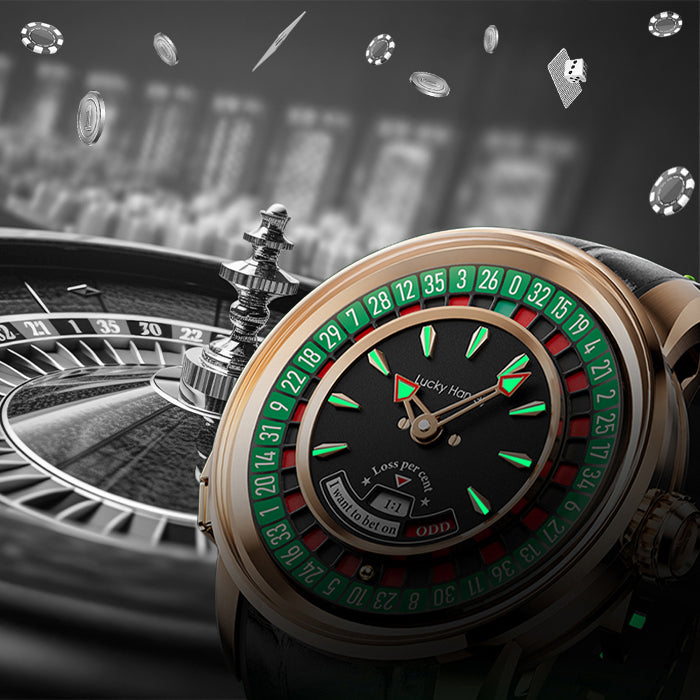
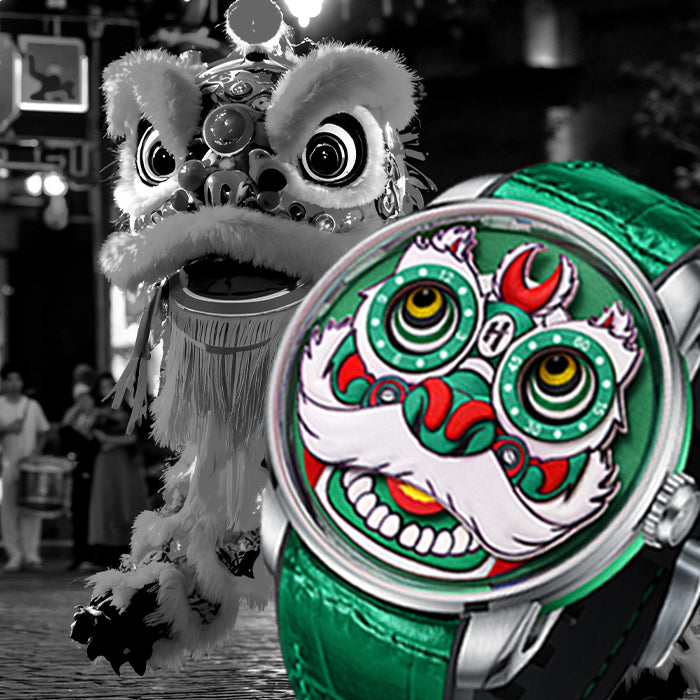
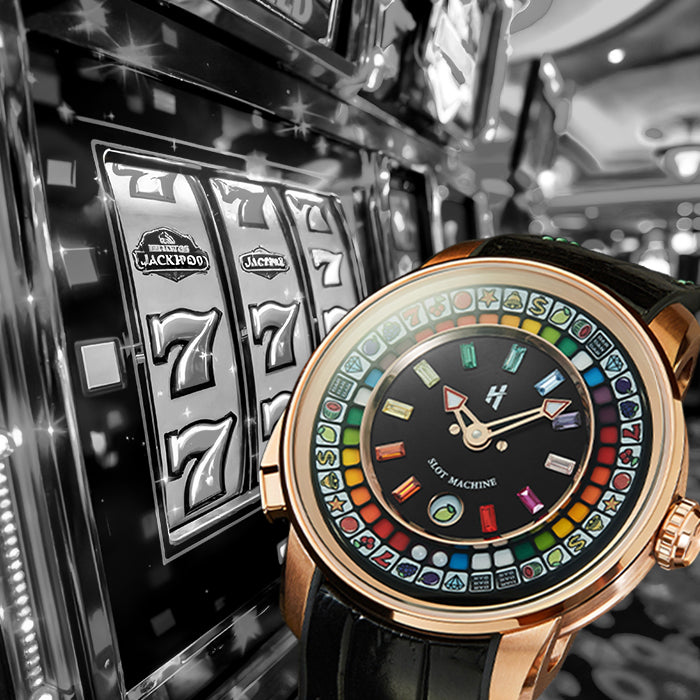
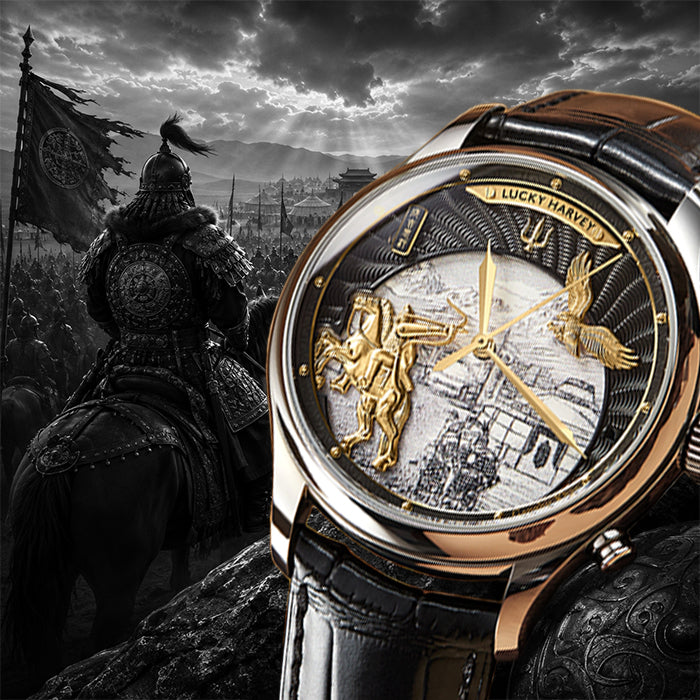
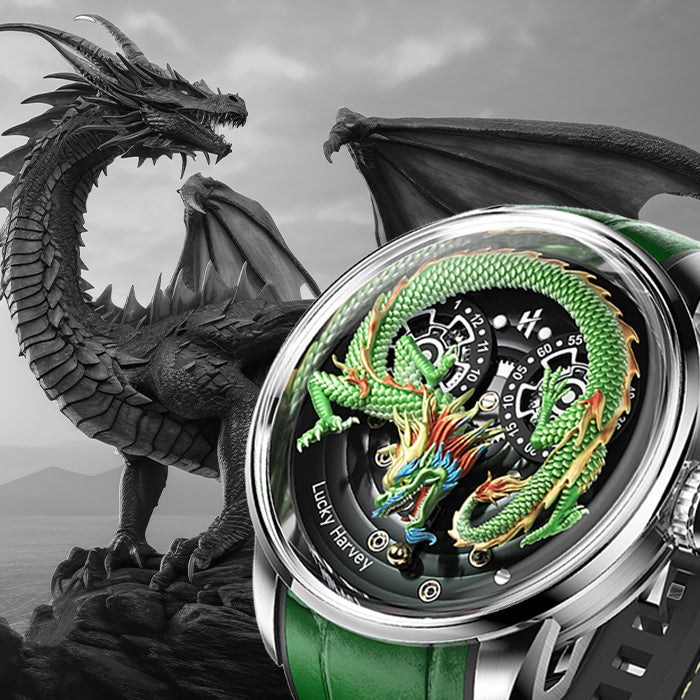
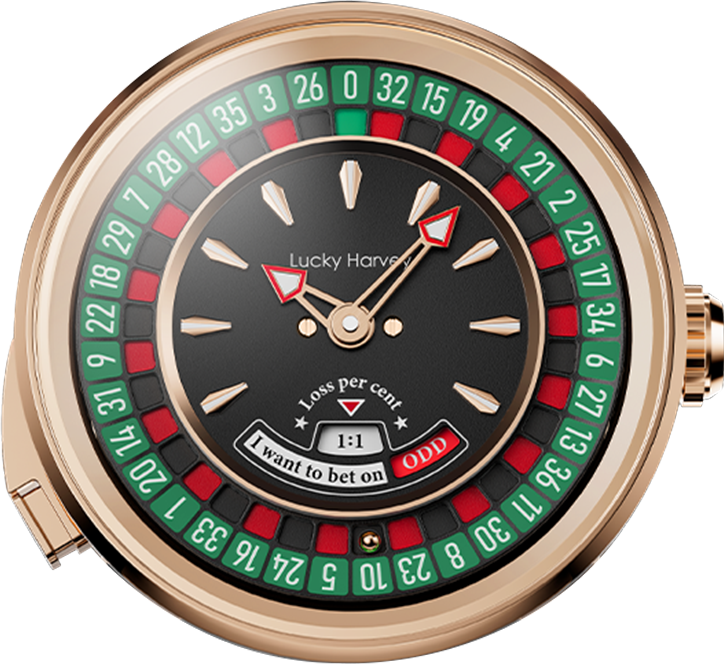
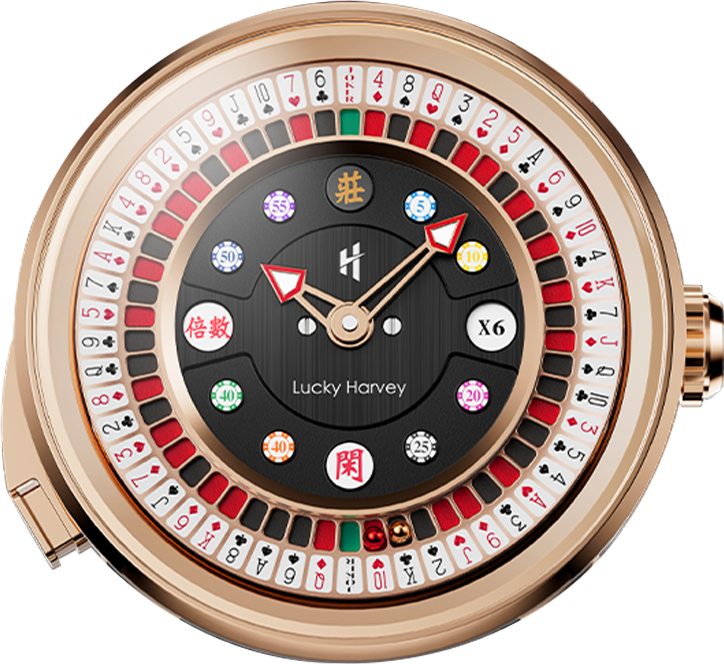
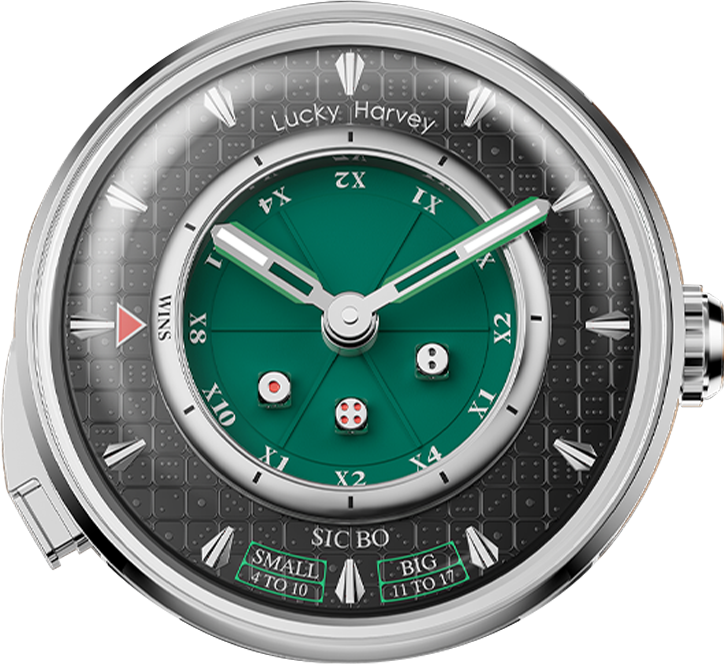
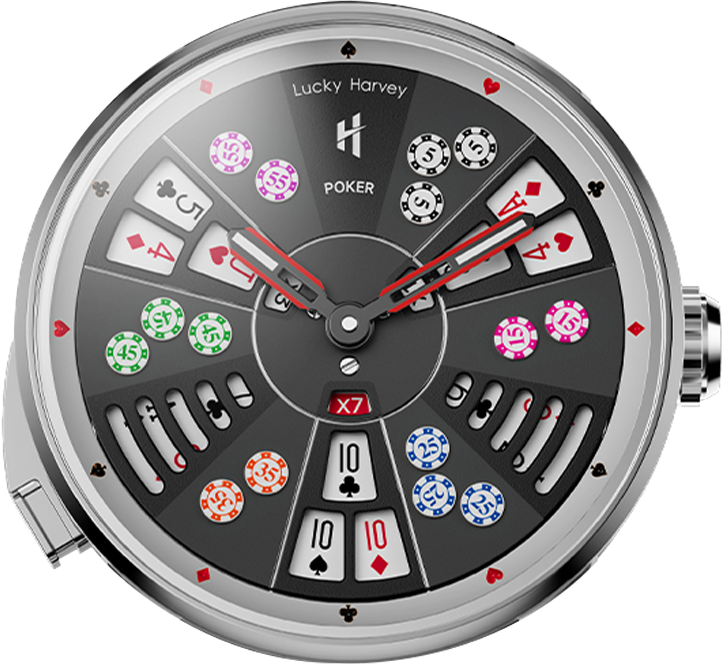
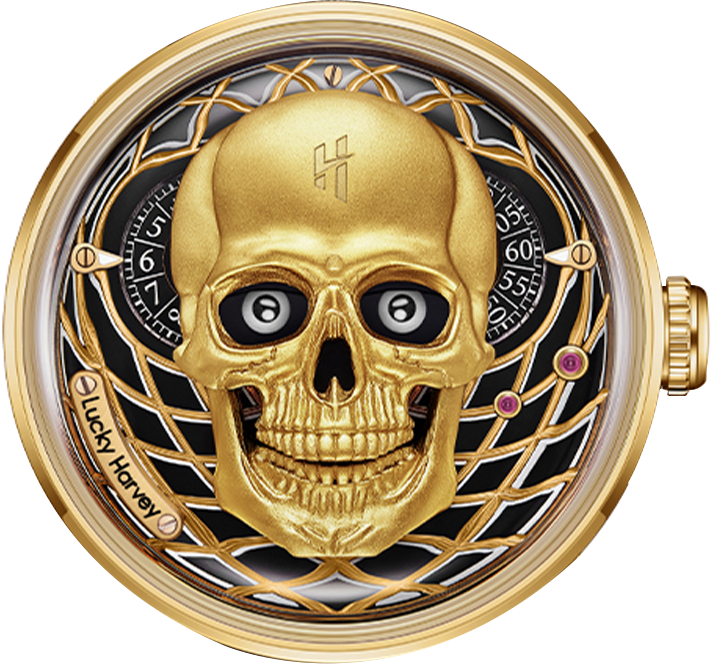
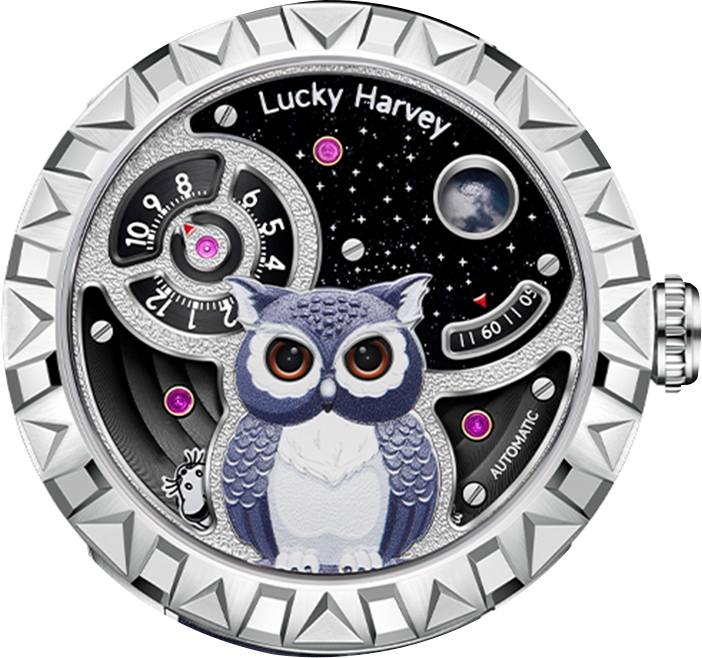
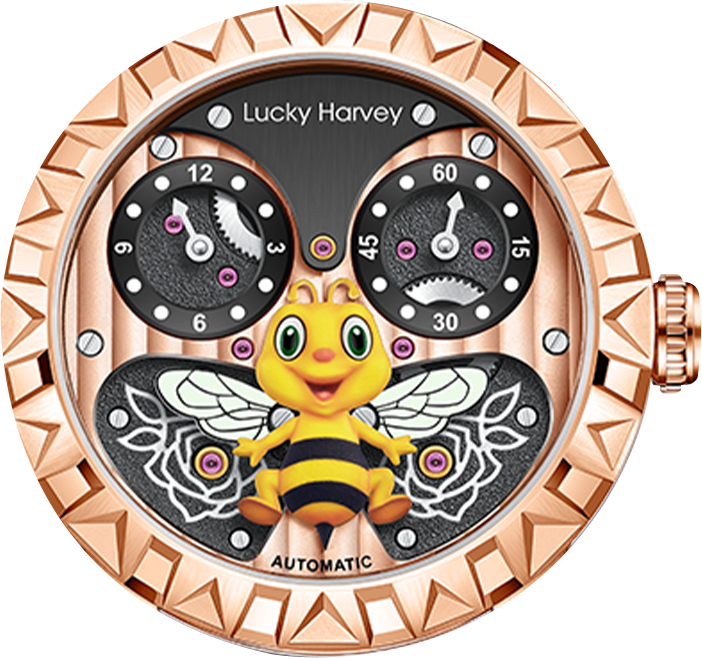
Both materials appear in the Lucky Harvey catalog. The automaton horse collection uses titanium for its chiming pieces to keep the weight comfortable despite the complex internal mechanism. The roulette and dragon collections use stainless steel for its polished finish that complements the ornate dial work.
READY TO SHOP?
Browse the full Lucky Harvey collection in both titanium and steel, or join our Collector’s List for early access to new drops, restocks and subscriber-only pricing.