
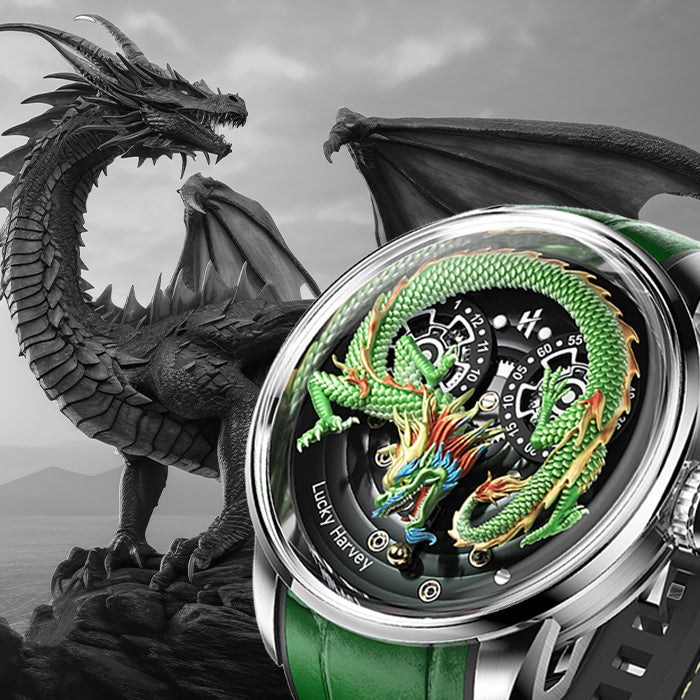

The piece of glass over your watch dial matters more than almost any other single component. It takes every bump, every sleeve scrape, every door frame. Get it right and you can wear a watch hard for a decade and still see the dial clearly. Get it wrong and you are buffing out scratches every six months. Every watch buyer ends up asking the same question: sapphire or mineral? Here is the honest answer, with none of the marketing varnish.
Hardness and Scratch Resistance
This is the reason the debate exists. Hardness in watch crystals is measured on the Mohs scale, where diamond is 10 and talc is 1. Mineral glass sits around 5 — roughly equal to a steel knife blade. Sapphire crystal sits at 9 — one step below diamond and harder than anything you are likely to encounter in daily life, including sand, keys, concrete, and most metal surfaces.
In practical terms, that one-point gap is enormous. A year of aggressive daily wear will visibly scratch mineral glass. The same year of wear on sapphire will leave it looking new. We have tested this on our own wrists across thousands of hours, and the difference is not subtle. Sapphire wins on scratch resistance so decisively that the conversation would stop here if that were the only criterion.
Clarity and Optics
Raw sapphire is not actually clearer than mineral glass. Both materials are essentially transparent when polished. The difference is what happens next.
A good sapphire crystal gets an anti-reflective (AR) coating applied to one or both faces. The best watches apply it to the inside face, which protects the coating from scratches while still killing the glare. When you look at a Rolex or an Omega in direct sunlight and can see the dial perfectly with no reflection, that is AR coating on sapphire doing its job. Without AR, sapphire is actually slightly more reflective than mineral, which is why a cheap AR-less sapphire watch can look flatter than a well-treated mineral one.
So the rule is: sapphire with AR coating is the clearest option available on a watch, period. Sapphire without AR coating can actually be slightly worse than mineral in bright light. This is one reason you should always check whether AR coating is specified in the spec sheet.
Cost: Why Sapphire Costs More
A mineral glass crystal costs a watch manufacturer one to two dollars. A sapphire crystal of the same size costs ten to twenty-five dollars. Add AR coating on both sides and you are pushing thirty to fifty dollars in component cost alone. That is why you rarely see real sapphire below the $300 price point and almost never below $150.
The cost difference comes from the manufacturing process. Sapphire is grown, not poured. A single crystal takes several days to grow in a furnace, then has to be cut with diamond-tipped tools, ground, polished, and optionally coated. Mineral glass is melted and pressed, a process that takes minutes. The price difference is not a margin story — it is a genuine cost-of-goods story.
When Mineral Glass Is Genuinely Fine
Here is the part the sapphire evangelists do not want to hear: mineral glass is completely acceptable in specific cases.
If the watch is a dress piece that only comes out for formal occasions and spends most of its life in a safe, mineral glass will outlive you without a single scratch. If the watch is a $150 field watch that you wear beat-up on purpose, mineral glass is part of the charm. If you are a nurse or a factory worker who prefers a $200 quartz you will replace every few years anyway, the money you would have spent on sapphire is better spent on a backup.
What mineral glass is not fine for: any watch over $500, any watch you plan to wear daily, any watch you want to last a decade, and any watch with complications worth protecting.
The Middle Ground: Sapphire-Coated Mineral
Some mid-range watches advertise 'sapphire-coated mineral glass' or 'hardened mineral glass.' This is a thin deposition of sapphire on top of regular mineral. Marketing-wise it sounds like a compromise. Practically, it is not — the coating is microns thick, wears off with moderate use, and once it is gone you have ordinary mineral glass underneath. Treat these descriptions as essentially mineral and price accordingly.
The one exception is Seiko's proprietary Hardlex, which is genuinely harder than standard mineral but still softer than sapphire. If you see Hardlex specifically, you can think of it as upgraded mineral — not equivalent to sapphire, but noticeably tougher than the regular stuff.
The Verdict
For any watch you plan to wear regularly at any price point above $300, go sapphire with anti-reflective coating. For collector pieces, daily wearers, and anything with craftsmanship you want to protect, it is non-negotiable.
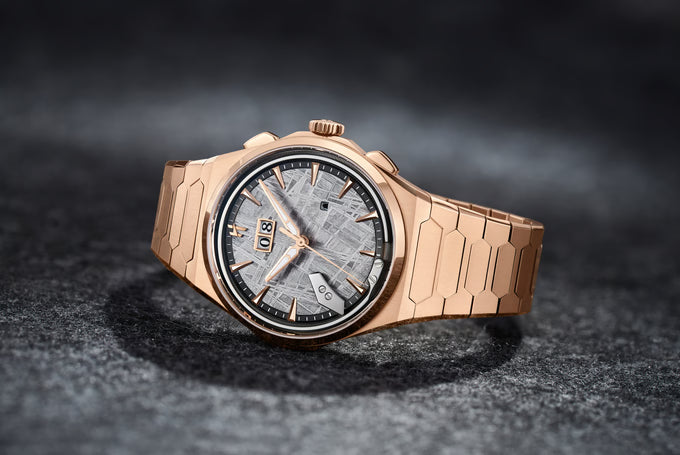
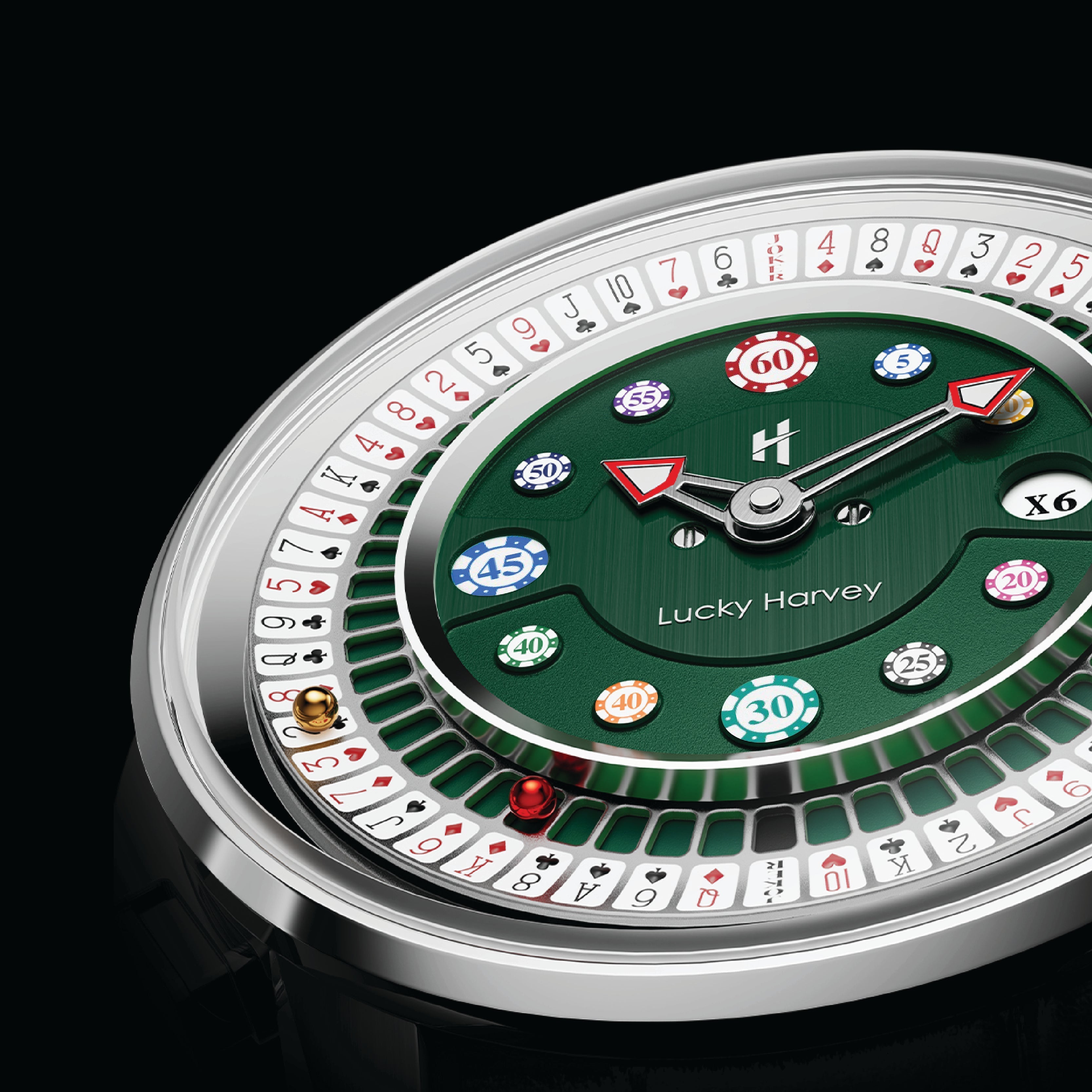
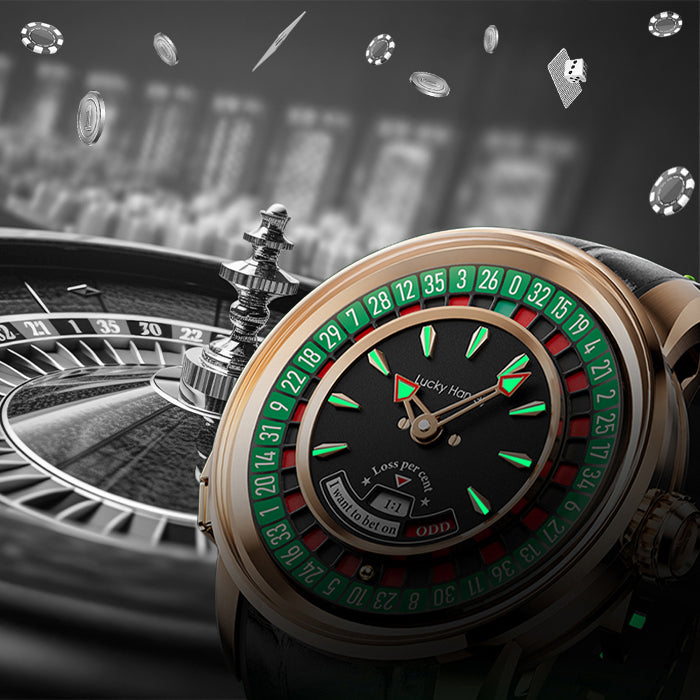
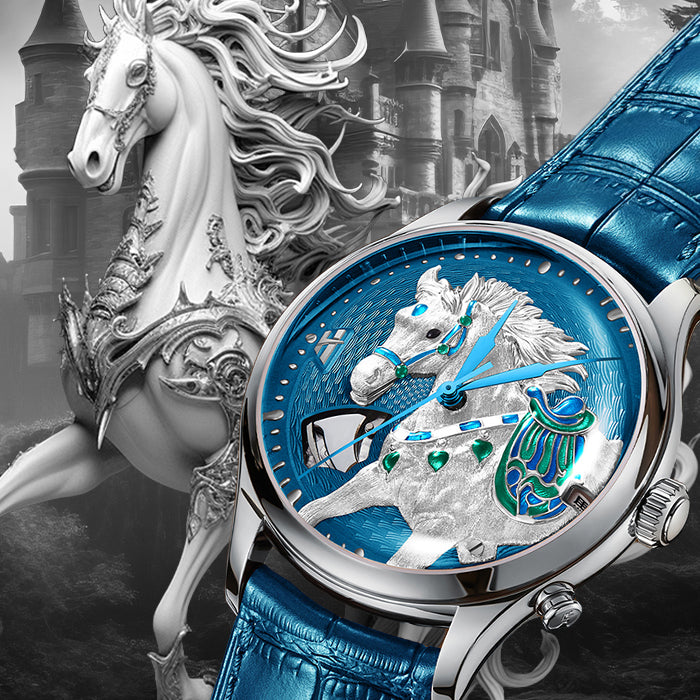
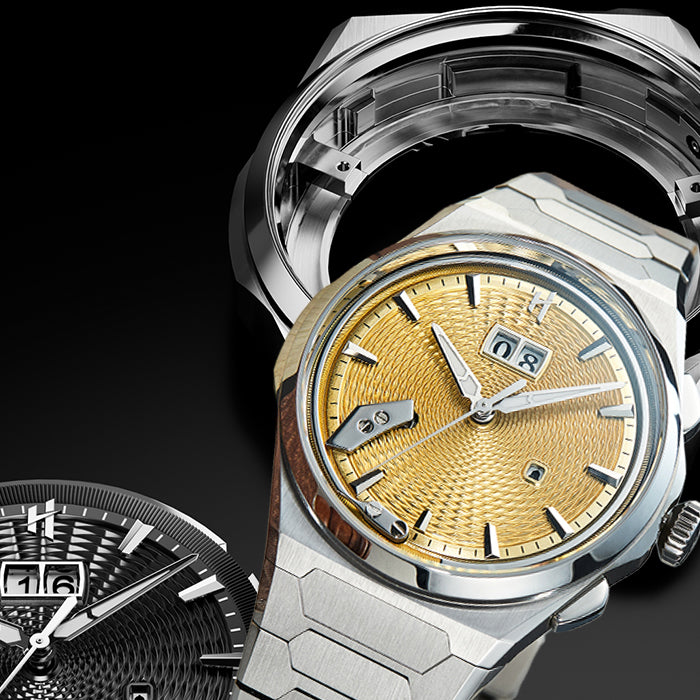
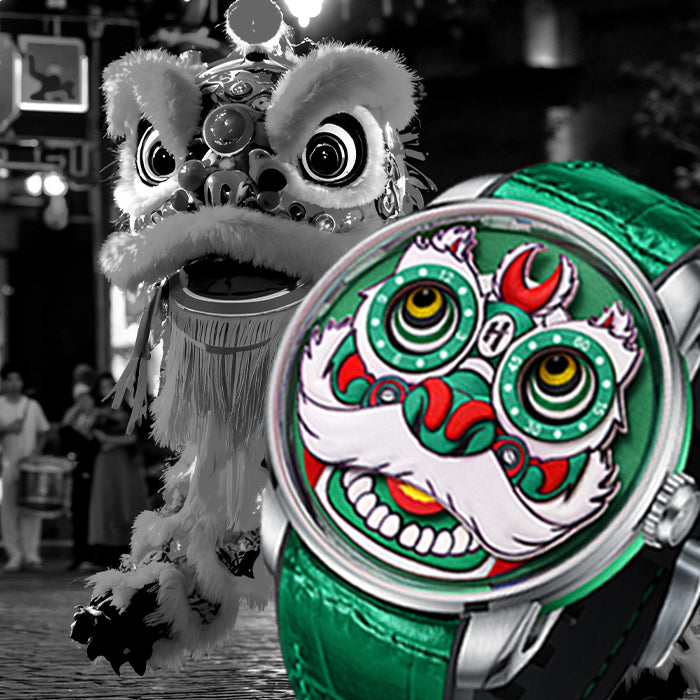
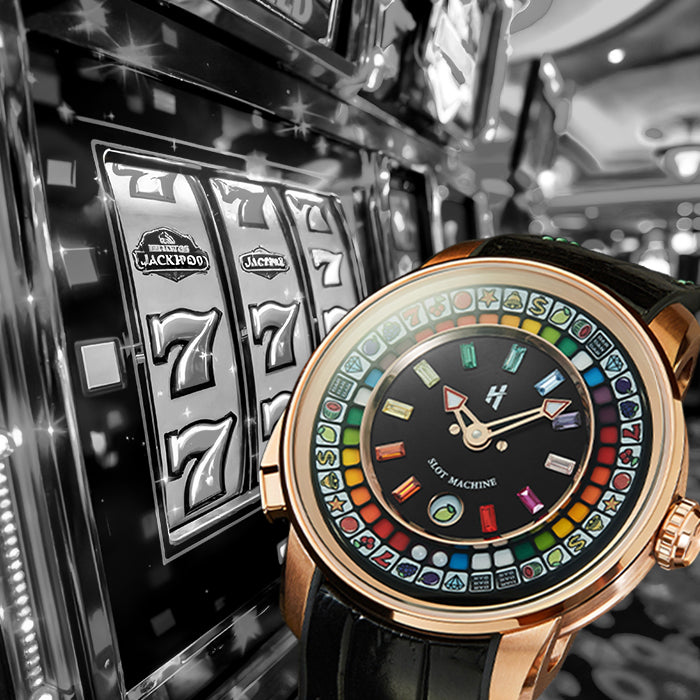
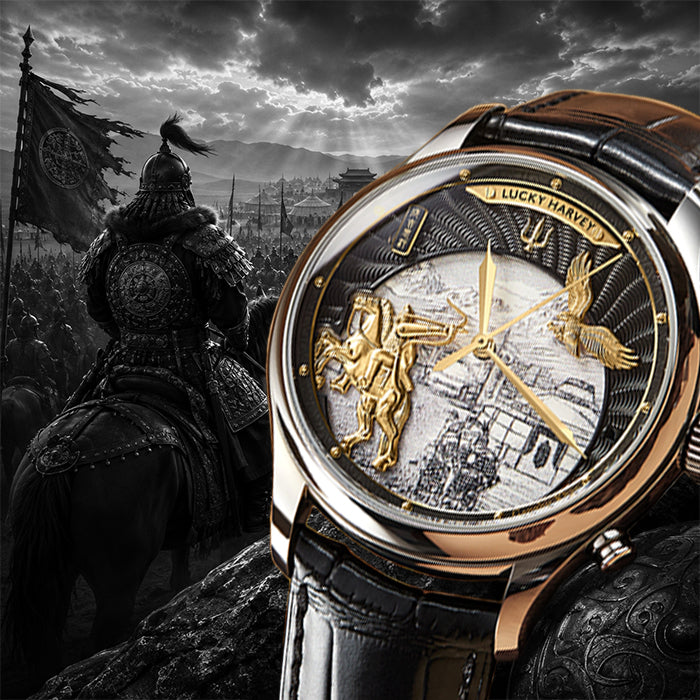
Every watch in the Lucky Harvey catalog above the entry price point uses sapphire with double-sided AR coating, because at the prices we are building in — $1,400 to $2,400 — there is no honest case for anything else. The cost is absorbed into the build, and you get a crystal that will outlast the movement inside.
Frequently Asked Questions
Can sapphire crystal shatter?
Yes. Sapphire is hard but brittle. A direct sharp impact — a dropped watch landing on a corner, for example — can crack it. Mineral glass is actually slightly more shatter-resistant, which is why some military and tool watches still use it by design.
How do I know if my watch has sapphire?
The spec sheet is the first place. If you already own the watch, a water droplet test is a rough home check: water beads noticeably more on sapphire than mineral. The surest test is a scratch test with a steel knife edge, but we do not recommend that on a watch you love.
Is acrylic better than mineral?
Acrylic (Plexiglas) is softer than both but has one trick: scratches can be polished out with a little Polywatch and effort. Mineral scratches cannot. For vintage watch lovers, acrylic has a specific warm-looking charm. For modern daily wear, it is nobody's first choice.
Does AR coating wear off?
Cheap AR coating on the outer face can wear within a year or two. Good AR coating applied to the inner face lasts essentially forever because it is protected by the crystal itself. Always look for 'inside AR' in the spec sheet.
READY TO SHOP?
Browse the full Sapphire Crystal Collection collection on Lucky Harvey, or join our Collector's List for early access to new drops, restocks and subscriber-only pricing.