
Case color is one of the first decisions a watch buyer makes and one of the least discussed seriously. Magazines talk endlessly about movements and complications. They rarely tell you that the single biggest factor in whether a watch looks right on your wrist is not the dial, not the strap, and not even the size — it is the color of the metal wrapping it. This is the honest guide we wish we had when we bought our first watch in the wrong finish.
The Three Options, Stripped of Marketing
Modern luxury watches come in three main case finishes: silver-toned (steel, white gold, platinum, titanium), rose gold, and yellow gold. Each is available in solid precious metal, in PVD or IPG coating over steel, or in solid steel polished to look like its precious-metal cousin. For this guide we are treating finish as a visual choice first and a materials choice second — because the truth is, on the wrist, most people cannot tell the difference between solid rose gold and good PVD rose gold until they take the watch off.
Silver: The Default for a Reason
Silver-toned cases — steel, titanium, or white gold — are the neutral of the watch world. They work with everything in your wardrobe, they read as serious in the boardroom, and they photograph cleanly under any light. They are also the easiest to match with a second watch or a piece of existing jewelry, which matters more than people think if you wear a wedding ring or a bracelet regularly.
Silver ages gracefully. A brushed steel case that has seen ten years of wrist time actually looks better than the day you bought it — it acquires a quiet patina of micro-scratches that soften the light and signal experience. Polished steel, by contrast, will collect visible swirl marks and want to be re-polished every few years. Brushed finishes are more forgiving for daily wear; polished finishes are more elegant but higher-maintenance.
If you are buying one watch to wear every day, forever, silver is almost always the right answer.
Rose Gold: The Warm Middle Ground
Rose gold has become the default 'I want gold but not THAT gold' choice. It sits visually between silver and yellow — warm enough to stand out, restrained enough to wear to a meeting. On the wrist it reads as more personal, more considered, less obvious than yellow gold, and in the last five years it has quietly become the most-requested case color at the $1,500 to $3,000 price point.
It pairs especially well with warmer skin tones and with dials that feature green, blue, or chocolate brown — colors that fight with silver but complement copper undertones. It does not pair well with busy wardrobes of cool-toned silver jewelry; the two colors clash unless you commit to one side.
Our rose gold pick is the Bee Series Rose Gold — 40 mm, leather strap, hand-finished bee motif. It is a case study in how rose gold can make a relatively simple dial feel expensive without trying too hard. At smaller case sizes, rose gold actually looks more premium than at larger ones; the warmth concentrates and the proportions stay elegant.
Yellow Gold: The Commitment
Yellow gold is the strongest statement of the three. It is the oldest watch finish, the most culturally loaded, and the hardest to wear casually. On the right wrist and in the right room, nothing else comes close — a yellow gold dress watch under a white shirt cuff is one of the most elegant sights in menswear. In the wrong room, the same watch reads as ostentatious, overcompensating, or simply out of place.
The trick with yellow gold is to dial down everything else. A yellow gold case wants a simple, restrained dial, a plain leather strap, and a wardrobe that respects it. Pair it with a busy dial, a metal bracelet, and an aggressive outfit, and you are wearing a costume. Pair it with a white dial, a brown alligator strap, and a navy suit, and you are wearing a classic.
Yellow gold is also the one finish where the difference between solid precious metal and PVD is visible on close inspection. Solid gold has a depth and warmth that coated steel cannot quite reach, and the best yellow gold watches in the world are almost always solid.
Skin Tone Rules (The Honest Version)
Skin tone matters, but the rules are looser than the internet pretends.
- Cool undertones (veins appear blue, jewelry in silver looks best on you): silver is the safest default. Rose gold works in smaller cases. Yellow gold is a conscious choice.
- Warm undertones (veins appear green, jewelry in gold looks best): rose or yellow gold will flatter more than silver. Silver still works; it just does less to help you.
- Neutral undertones (you look good in both): congratulations, you get to pick based on wardrobe, not biology.
Skin tone is a tiebreaker, not a verdict. Do not pass on a watch you love because a color chart says your veins are the wrong color.
Lifestyle Fit
The second question after skin tone is where the watch will live.
- Office daily wear, business meetings, travel: silver. You cannot wear it wrong.
- Evening events, weddings, creative-industry dress codes: rose gold. It telegraphs effort and taste without screaming.
- Black-tie, anniversaries, 'this one matters' occasions: yellow gold. Save it for moments where it deserves to be looked at.
- Hard daily wear (outdoor, sport, rough handling): titanium in silver tone. It shrugs off damage that would ruin a coated case.
Durability and Resale
Solid precious metal cases are softer than steel — gold scratches more easily and polishes more aggressively. A gold case needs more careful handling and more frequent service. Rose gold PVD coating is harder than solid gold but will wear through at contact points (case back edges, crown) after five to ten years of daily wear, requiring re-coating.
On resale, yellow and rose gold hold value best at the very top of the market (think Patek, Rolex Day-Date) and lose the most value in the middle market, where the premium you paid for gold often cannot be recovered. Silver sports watches, in contrast, frequently hold or gain value at every level. If resale matters to you, silver is the safer bet at any price below $10,000.
Our Picks
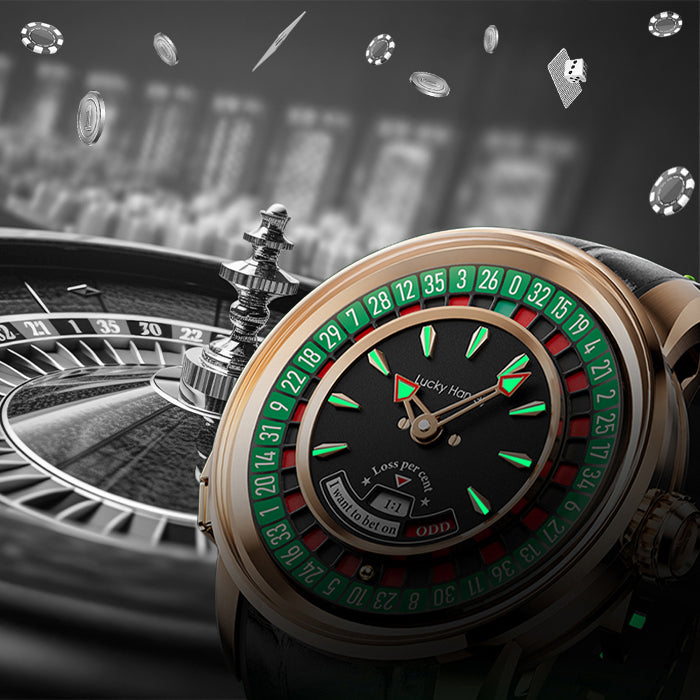
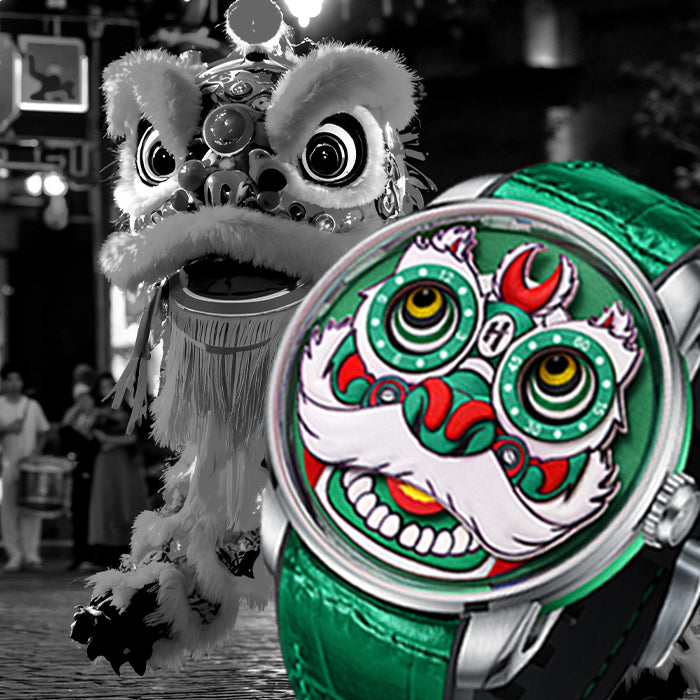
- Best silver: any steel or titanium watch in the Casino Series or Craftsmanship Series. Our Silver European Roulette is the category benchmark.
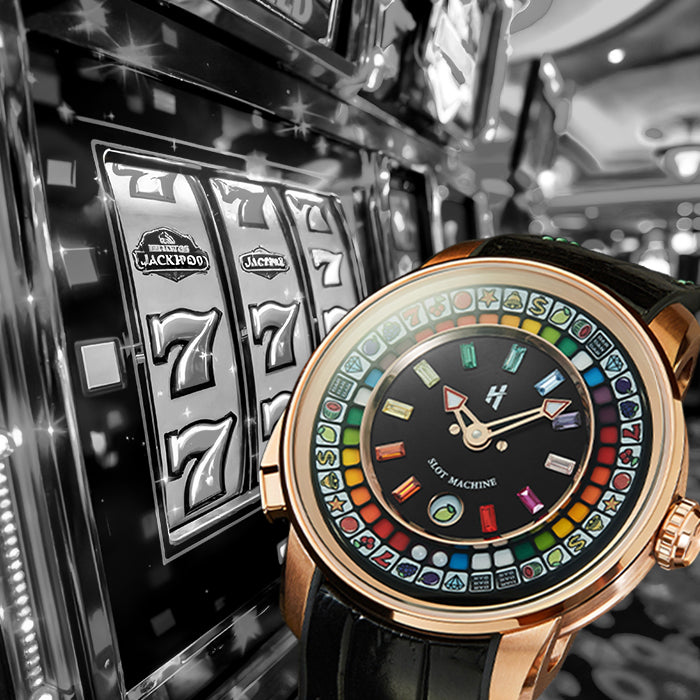
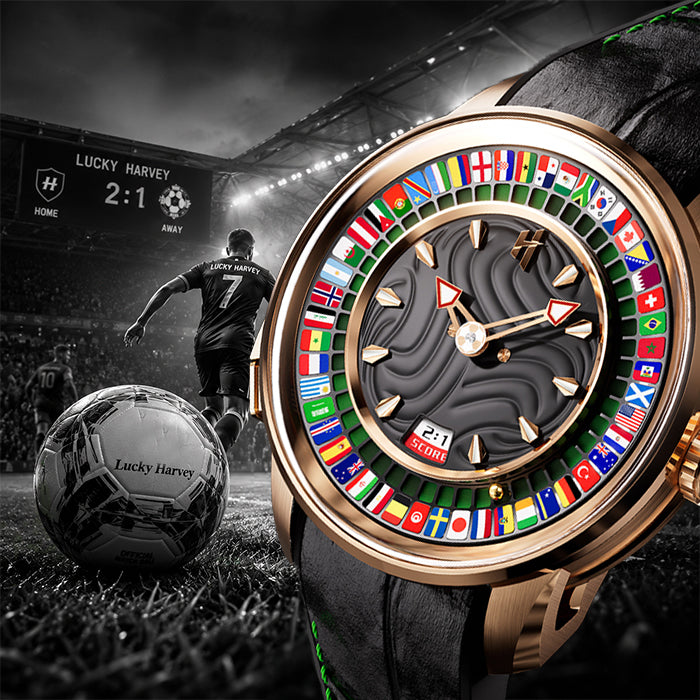
- Best rose gold: Bee Series Rose Gold 40 mm. Warm, subtle, genuinely elegant.
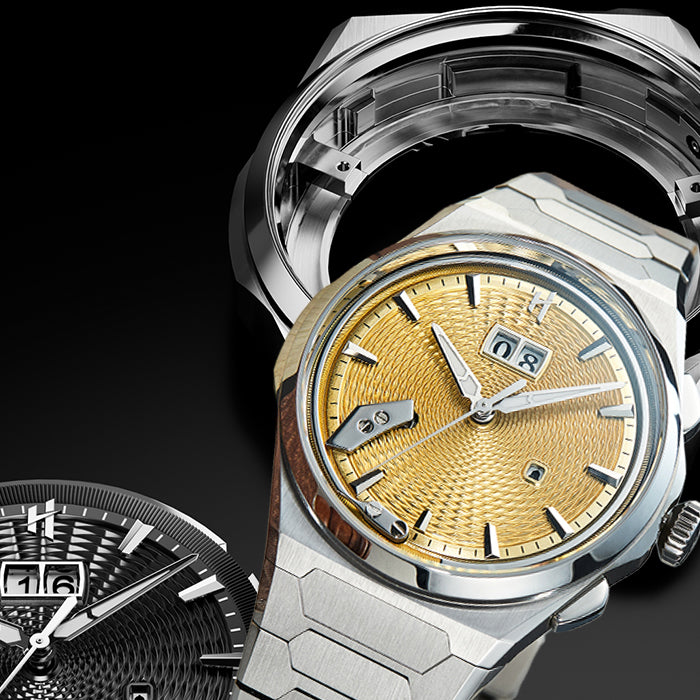
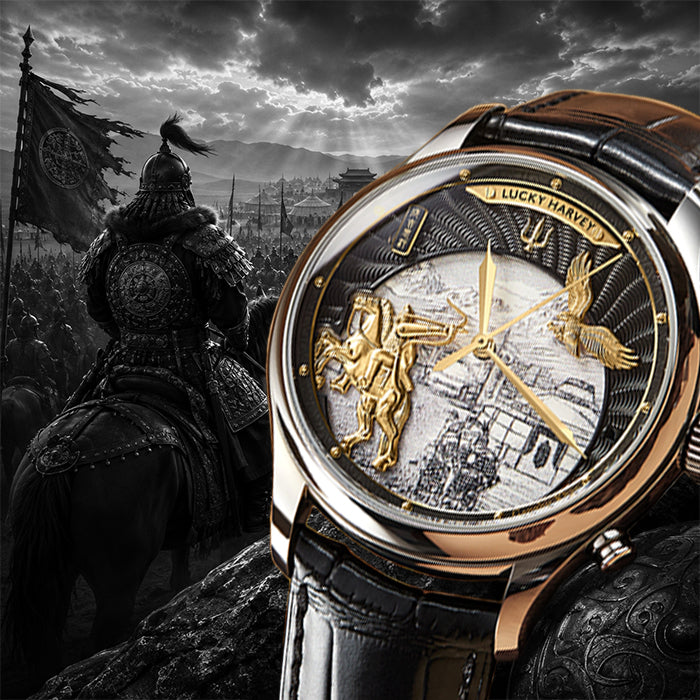
- Best 'almost gold' compromise: any Craftsmanship Series watch with a gold-toned dial in a silver case — you get the visual warmth without committing to a gold case.
Frequently Asked Questions
Can I wear a rose gold watch with silver jewelry?
Technically yes, but it requires commitment — wear the rose gold watch as the focal point and keep the silver minimal (a single ring, nothing on the same wrist as the watch). Mixing equal amounts of both metals rarely looks intentional.
Is PVD rose gold as good as solid?
Visually, yes, for 80% of wear. Durability-wise, it wears through eventually and needs recoating at a service center. If you plan to keep the watch for more than ten years, factor that in.
Which color holds up best in hot climates?
Silver-toned cases (especially titanium) handle heat and sweat best. Gold is softer and marks more easily in aggressive environments.
Is yellow gold dated?
Not at all — yellow gold has been quietly cycling back into fashion since 2020. It is not dated; it is coming back.
READY TO SHOP?
Browse the full Rose Gold Collection collection on Lucky Harvey, or join our Collector's List for early access to new drops, restocks and subscriber-only pricing.