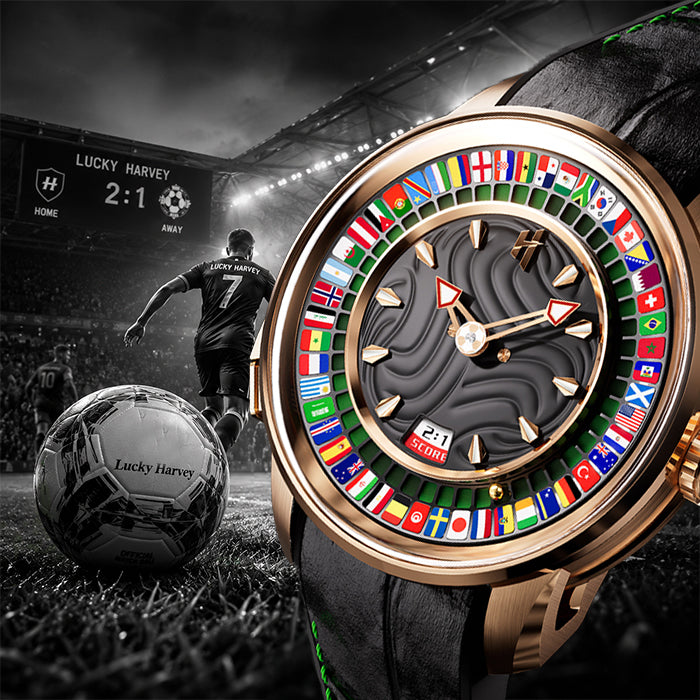
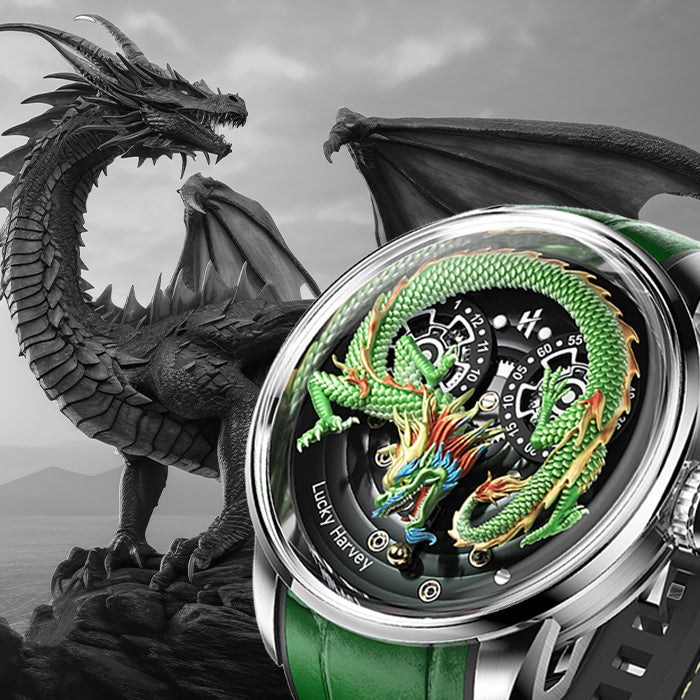


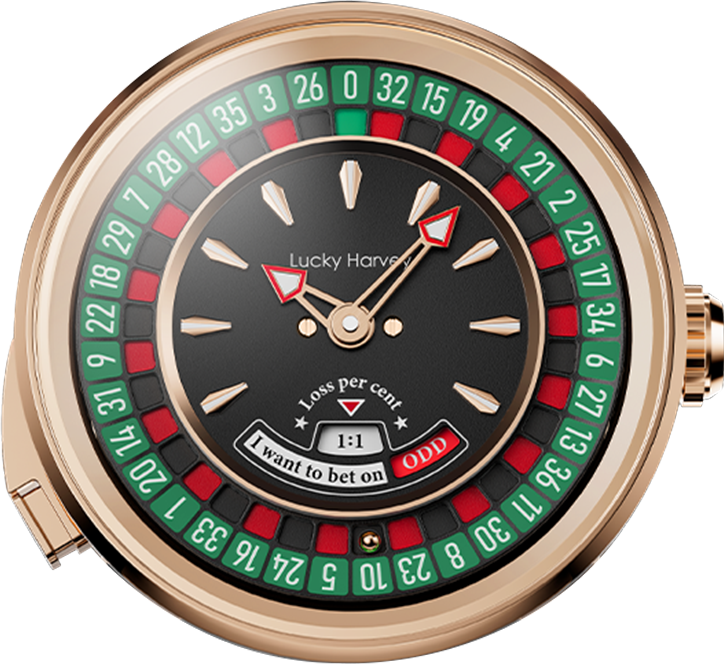


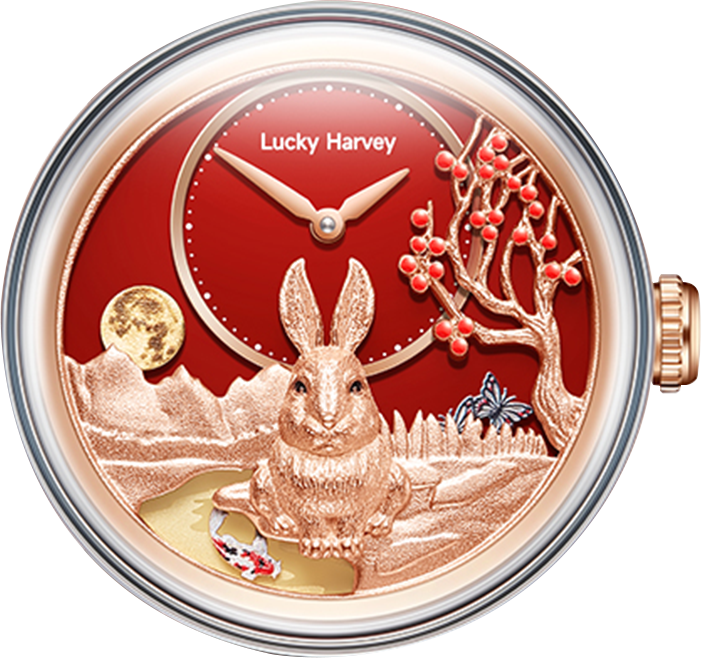


A roulette watch is one of those purchases where the difference between a great one and a regrettable one comes down to details most buyers don't know to ask about. Is the wheel spinning, or just printed? Is the movement Swiss-style or unbranded? Is the dial readable enough to be a daily watch or strictly a novelty piece? This guide answers every question we get from first-time roulette watch buyers, in the order it usually comes up.
Dial Mechanics: The Single Biggest Question
There are three kinds of roulette watches on the market and they are very different objects despite looking similar in photos.
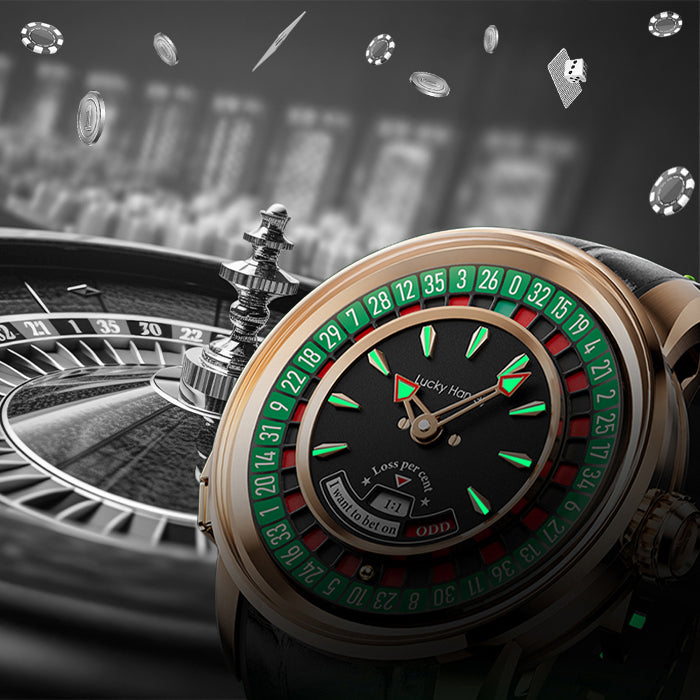
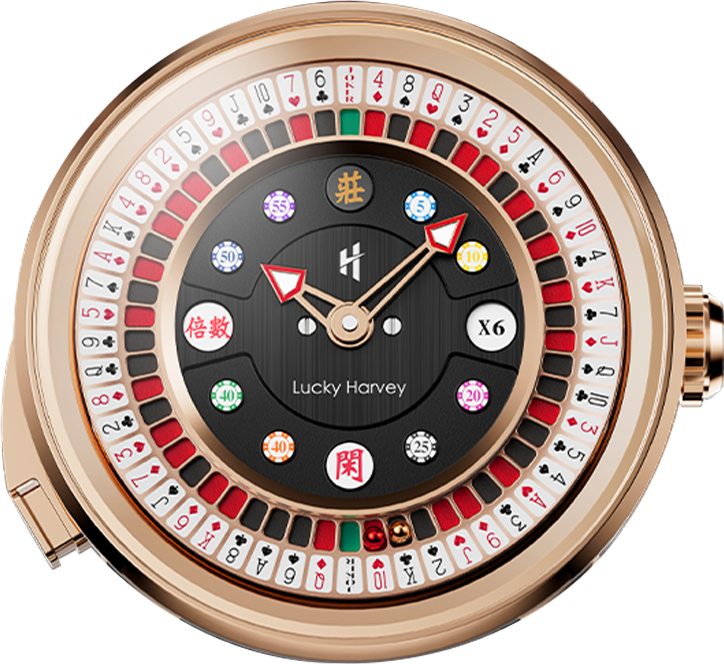
The first kind is fully mechanical — the roulette wheel is a real rotating component driven off the mainspring of the movement. When you move your wrist, you can see the wheel actually rotate as the rotor inside winds the mainspring. This is the only version a serious collector should consider, and it's the only version that justifies a price above $1,000.
The second kind is semi-decorative — the wheel is fixed but a separate small subdial rotates within it, simulating the spin without actually spinning the full wheel. These are visually busy but mechanically less impressive, and they typically sit in the $400–$800 range.
The third kind is purely decorative — the roulette wheel is printed on the dial and nothing on it moves. The seconds hand may sweep over it, but there is no mechanical animation. These watches start around $50 and are quartz-powered. They are not bad watches, they are just not what most people picture when they think of a roulette watch.
Always ask the seller, in writing, whether the wheel rotates mechanically. If they hesitate or change the subject, walk away.
Playable vs Decorative Dials
A 'playable' roulette watch has a dial designed so that the spinning wheel actually has a meaningful stop position you can read like a real wheel. Some Lucky Harvey collectors use them for wagers at casino-themed bachelor parties or to settle small bets. A decorative roulette watch has the wheel motion but no stop logic — the wheel spins continuously as long as the rotor turns.
Both are legitimate. Playable watches are more interesting at parties; decorative watches are more elegant under a cuff. Pick based on how you actually plan to use the watch.
Size and Wearability
Roulette dials are visually busier than a plain three-hand watch, which makes case size matter more than usual. Our rule of thumb:
- Wrist 6.5" or smaller: 39–40 mm case maximum. The European roulette layout works at smaller sizes; the American layout (with the double zero) feels cramped under 41 mm.
- Wrist 6.5–7.25": 40–42 mm. This is where most roulette watches are sized and where they wear best.
- Wrist 7.25" and up: 42–44 mm. You can push the larger limited editions if you want presence.
- Lug-to-lug matters more than diameter. A 43 mm watch with 50 mm lug-to-lug fits a 6.75" wrist if the lugs curve well. Always check the lug-to-lug measurement, not just the case diameter.
Budget Tiers: What You Should Actually Pay
$200–$700: Quartz and Semi-Mechanical
This is the entry-level zone. Mostly quartz, occasionally low-beat automatic with a printed wheel. Fine if you want the look without the commitment, but the movements are usually unbranded and the dials are flat. Don't spend more than $500 on something in this category.
$700–$1,200: Real Automatic, Decorative Wheel
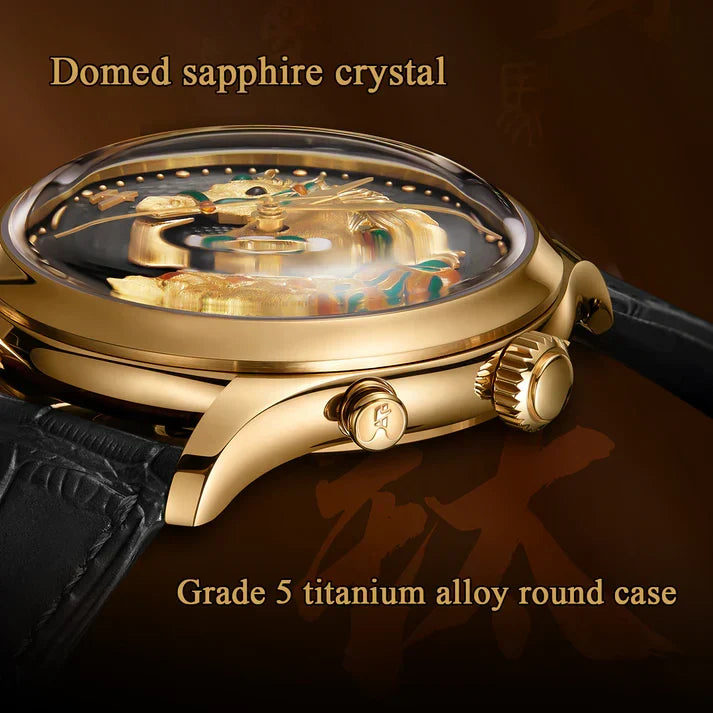
Movement steps up — usually Miyota 8-series or unbranded Chinese automatic. Sapphire crystal becomes available. The wheel may not rotate yet but the dial work improves significantly.
$1,200–$2,000: Real Mechanical Wheel
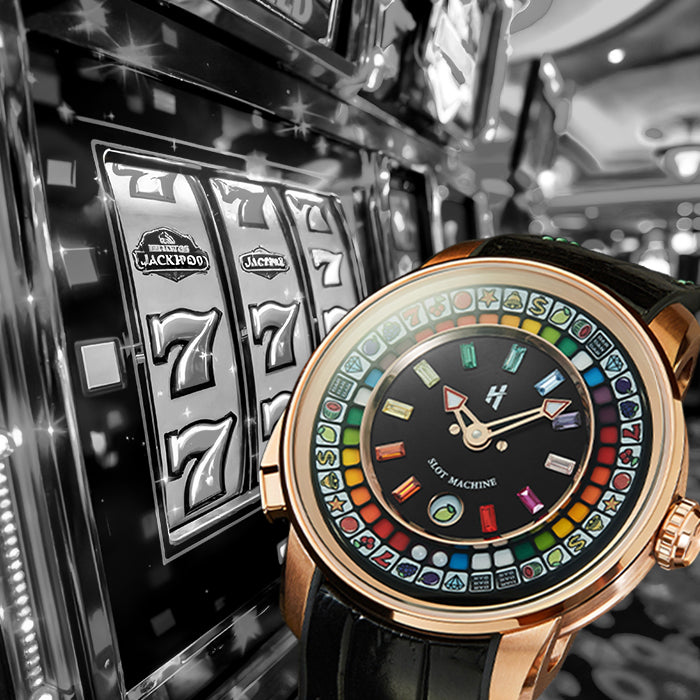
The sweet spot. Swiss-style automatic, sapphire both sides, real rotating roulette dial driven off the mainspring. The Lucky Harvey Casino Series European Roulette sits at $1,199 and is the benchmark in this range. Most buyers should land here.
$2,000–$5,000: Limited Editions and Higher Finishing
Hand-finished cases, real anti-reflective coating, often limited editions with serial numbers. Movement quality climbs noticeably. If the design connects with you, this is where collectors typically settle for a long-term keeper.
$5,000+: Independent and Boutique
Genuine high-end watchmaking with custom-made or modified Swiss calibers. Editions of 50–200. This is the territory where you're paying for finishing details a normal buyer can barely see. Beautiful, but the value-per-dollar curve flattens hard above this point.
Five Questions to Ask Before Buying
- Does the roulette wheel actually rotate mechanically? (If yes, ask for video proof.)
- What movement is inside the watch, and what's the power reserve?
- Is the crystal sapphire on both sides, with anti-reflective coating?
- What's the lug-to-lug measurement, not just the case diameter?
- What's the warranty, and where can it be serviced?
Frequently Asked Questions
Are roulette watches legal everywhere?
Yes — they're luxury timepieces, not gambling devices. There is no jurisdiction where wearing one is restricted.
Will a roulette watch confuse airport security?
No more than any other automatic watch. The rotating dial is mechanical, not electronic, and triggers no special concern.
Can I service a roulette watch with a regular watchmaker?
Yes, but ask first. The dial mechanism adds a layer of complexity that not every watchmaker has experience with. Brand-authorized service is always the safest choice.
What's the best roulette watch for under $1,500?
Lucky Harvey Casino Series Silver European Roulette. It's the only watch in that range with a genuinely rotating mechanical wheel.
READY TO SHOP?
Browse the full European Roulette Watch collection on Lucky Harvey, or join our Collector's List for early access to new drops, restocks and subscriber-only pricing.