













A watch complication is any function beyond displaying hours, minutes, and seconds. The word "complication" comes from the French — it literally means the movement is more complex. In practice, complications are what separate a simple time-telling instrument from a piece of mechanical art. Here is what each one does, how it works, and whether it is worth paying for.
Date and Day-Date
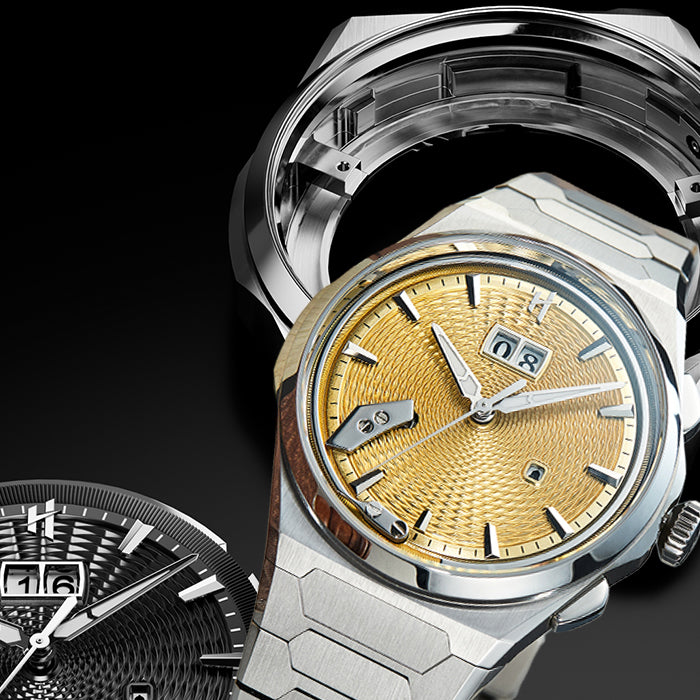
The most common complication. A date window shows the day of the month, usually at the 3 o'clock position. A day-date adds the day of the week. These are driven by a simple disc mechanism geared to the movement's hour wheel — every 24 hours, the disc advances one position.
The limitation: most date mechanisms do not account for months with fewer than 31 days, so you need to manually adjust the date five times a year (at the end of February, April, June, September, and November). This is a minor inconvenience that most owners get used to quickly.
Chronograph
A chronograph is a stopwatch built into the watch. It uses a separate gear train activated by pushers on the side of the case — typically a start/stop pusher at 2 o'clock and a reset pusher at 4 o'clock. Sub-dials on the face display elapsed seconds, minutes, and sometimes hours.
Chronographs come in two main types: cam-actuated (simpler, cheaper, slightly less precise engagement) and column-wheel (more refined, more expensive, crisper pusher feel). For most buyers, the difference is tactile rather than functional — a column wheel chronograph feels more satisfying to operate, but both types measure time equally well.
Moon Phase
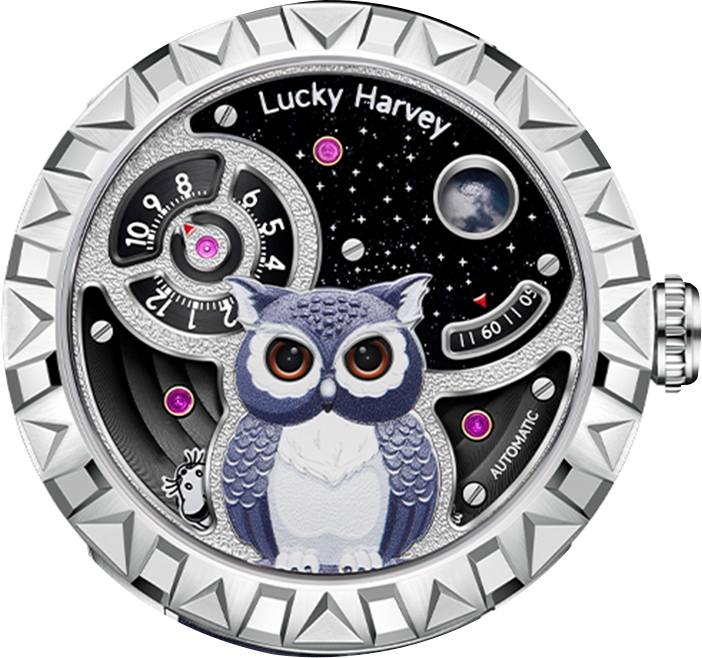
A moon phase display shows the current phase of the moon through a small aperture on the dial, using a rotating disc with two identical moon faces. The disc has 59 teeth and advances one tooth per day, completing a full cycle every 29.5 days — which closely matches the actual lunar cycle of 29.53 days.
This means a standard moon phase is accurate to within one day every two and a half years. High-accuracy versions reduce this error to one day in 122 years. Practically speaking, the moon phase is a decorative complication — very few people use it for actual lunar tracking. But it adds visual depth to a dial and demonstrates mechanical sophistication.
Power Reserve Indicator
A power reserve indicator shows how much energy remains in the mainspring. It is the mechanical equivalent of a battery meter. On most automatic watches, a full power reserve is 38 to 72 hours — meaning the watch will run for that long without being worn or wound.
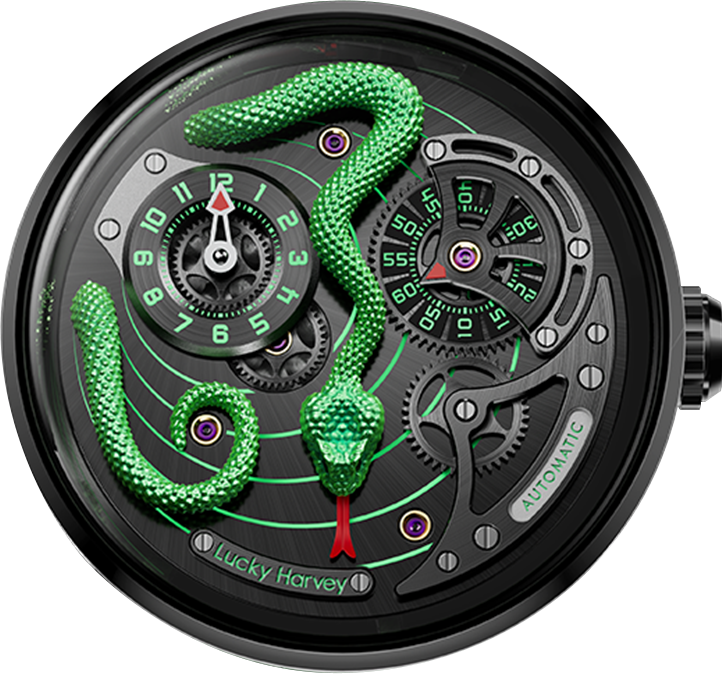
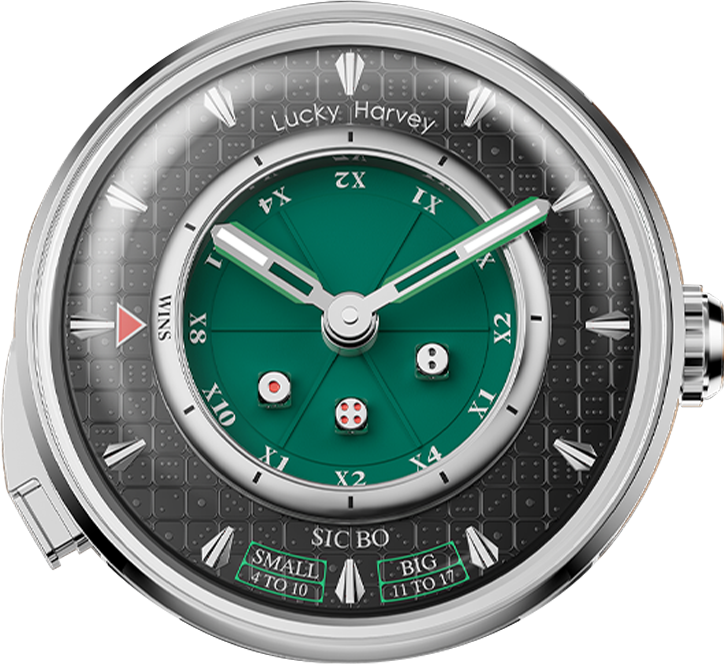
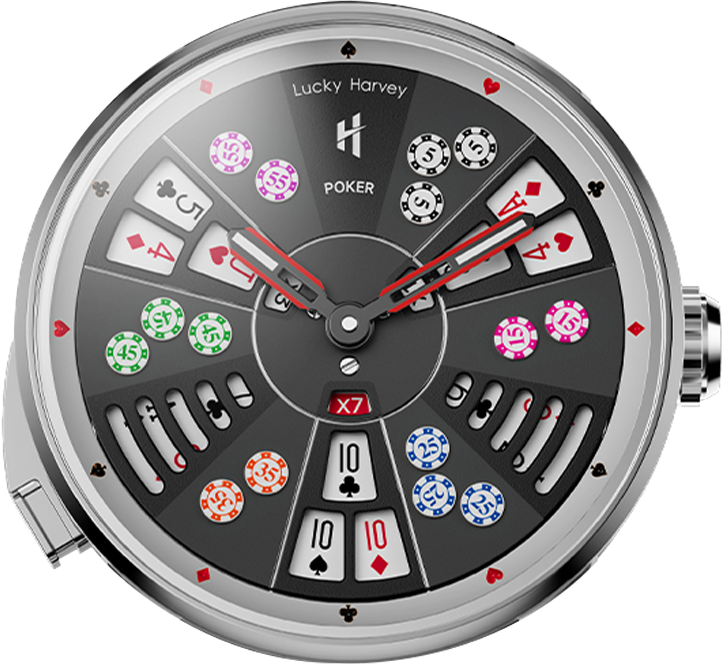
This is a genuinely useful complication for people who rotate between multiple watches. A quick glance tells you whether the watch needs winding before you put it on. Lucky Harvey's automatic movements feature power reserves that we publish for every model, so you always know what to expect.
Perpetual Calendar
A perpetual calendar automatically adjusts for months with different lengths and for leap years. It knows that February has 28 days (or 29 in a leap year), that April has 30, and that December has 31 — and it adjusts the date display accordingly without any manual intervention until the year 2100 (when the Gregorian calendar skips a leap year that the watch's mechanism expects).
Perpetual calendars are among the most mechanically complex calendar complications. They require intricate gear trains with cams shaped to encode the irregular pattern of month lengths. This complexity makes them expensive and delicate — a perpetual calendar should only be adjusted by a qualified watchmaker, and setting one incorrectly can damage the mechanism.
Tourbillon
The tourbillon places the balance wheel, escapement, and hairspring inside a rotating cage that completes one revolution per minute. The original purpose was to counteract the effect of gravity on accuracy when the watch was held in a vertical position — a real concern for pocket watches that spent most of their time upright in a vest pocket.
For wristwatches, which constantly change position throughout the day, the tourbillon's accuracy benefit is debatable. Most watchmakers agree that a well-adjusted standard movement keeps time as accurately as a tourbillon. The complication persists because it is mesmerizing to watch, incredibly difficult to build, and demonstrates the highest level of mechanical skill. It is a statement piece, not a practical improvement.
Minute Repeater and Chiming Mechanisms
A minute repeater chimes the time audibly when activated, using tiny hammers striking tuned gongs inside the case. It was originally designed for telling time in the dark before luminous dials existed. Today, it is considered the pinnacle of mechanical watchmaking — the most difficult complication to execute well because it requires acoustic engineering in addition to mechanical precision.
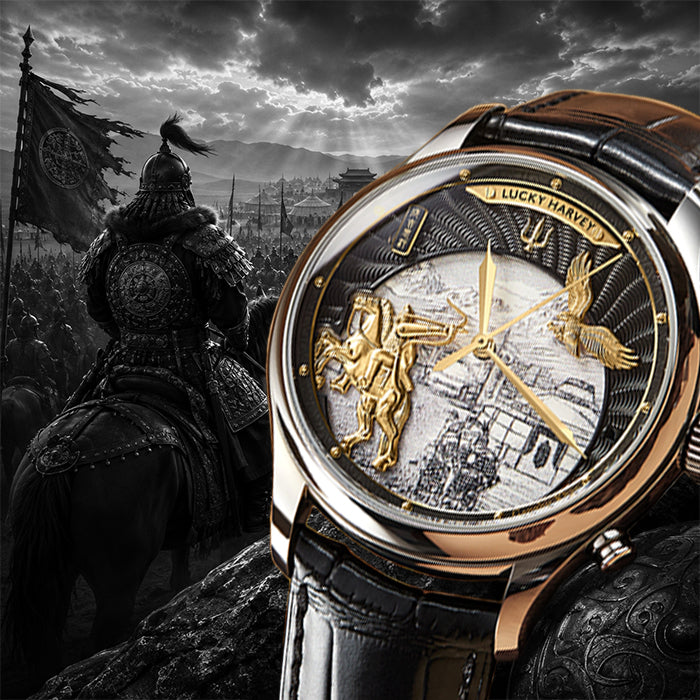
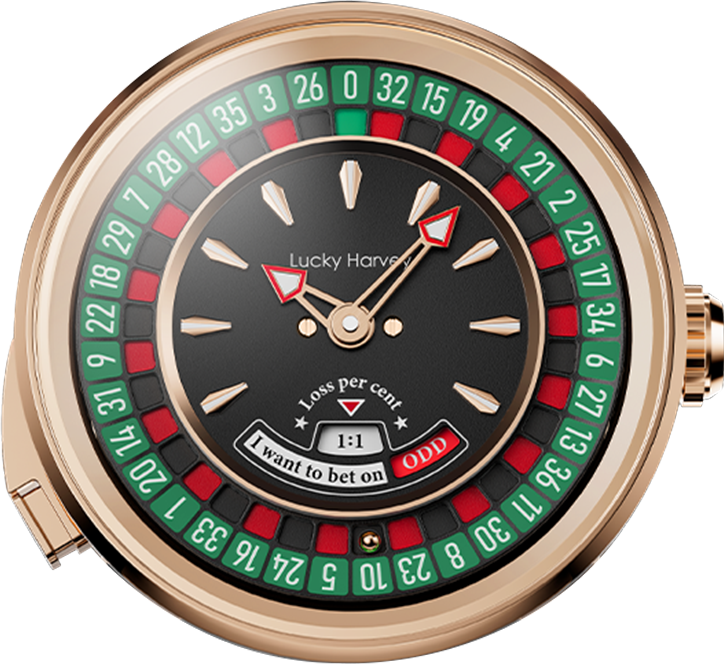
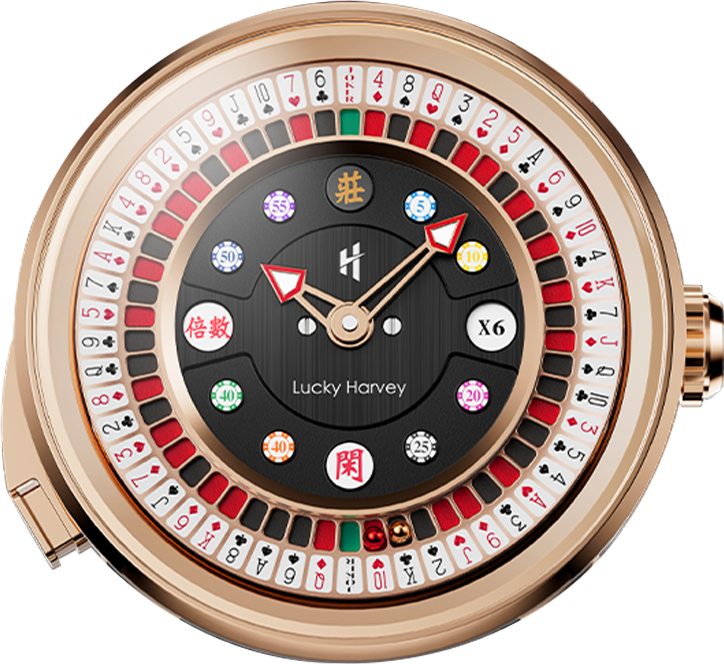
Chiming watches — including the Lucky Harvey automaton collection — use similar hammer-and-gong mechanisms for their acoustic element. The difference is that automaton chiming watches combine the sound with a visible animated figure on the dial, creating a multisensory experience that pure minute repeaters do not offer. The Lucky Harvey chiming horse, for example, animates a galloping horse on the dial while the chime sounds — mechanical theatre on the wrist.
Automaton
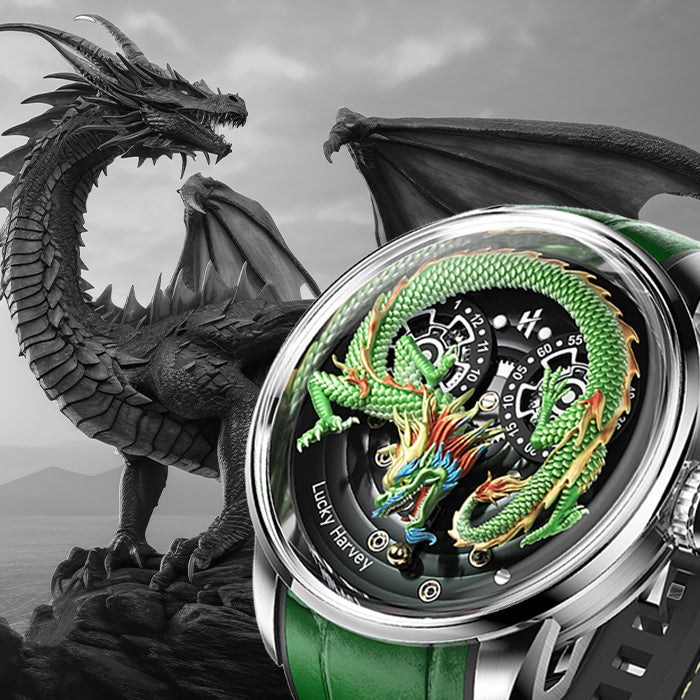
An automaton complication uses the movement's energy to animate a figure or scene on the dial. Dragons breathe fire. Horses gallop. Birds spread their wings. The animation is driven by a dedicated cam mechanism that converts rotary motion into the specific movements needed for each figure.
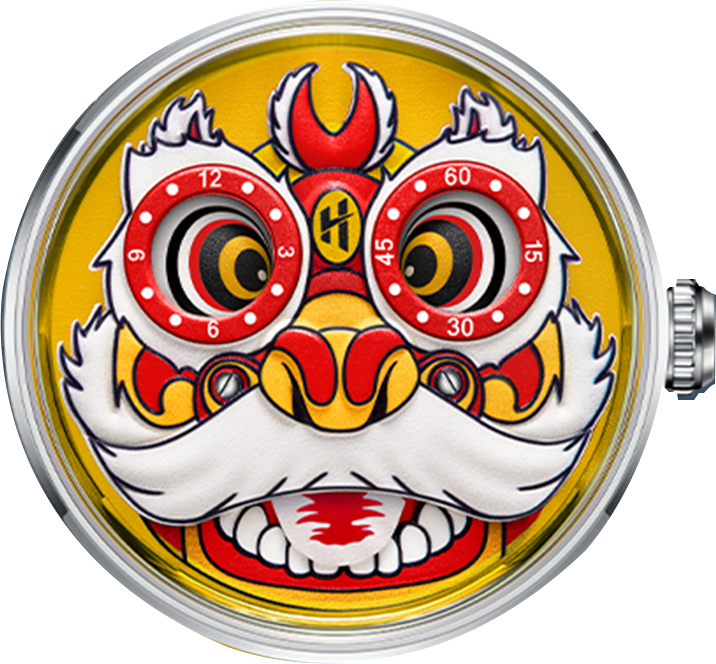
Automaton watches are among the rarest complications in watchmaking because each one requires a unique cam profile designed specifically for that animation. There is no off-the-shelf automaton module — every animated dial is a bespoke engineering project. This is Lucky Harvey's core specialty, and the reason our automaton pieces offer value that is difficult to find elsewhere at any price.
Which Complications Are Worth It?
For daily practicality: date, power reserve, and chronograph. For visual pleasure and conversation value: moon phase, automaton, and tourbillon. For pure mechanical connoisseurship: minute repeater and perpetual calendar. The best choice depends entirely on what you want from your watch — function, beauty, or mechanical depth.
READY TO SHOP?
Browse the full Lucky Harvey collection featuring automaton, chiming, and precision complications, or join our Collector's List for early access to new drops, restocks and subscriber-only pricing.