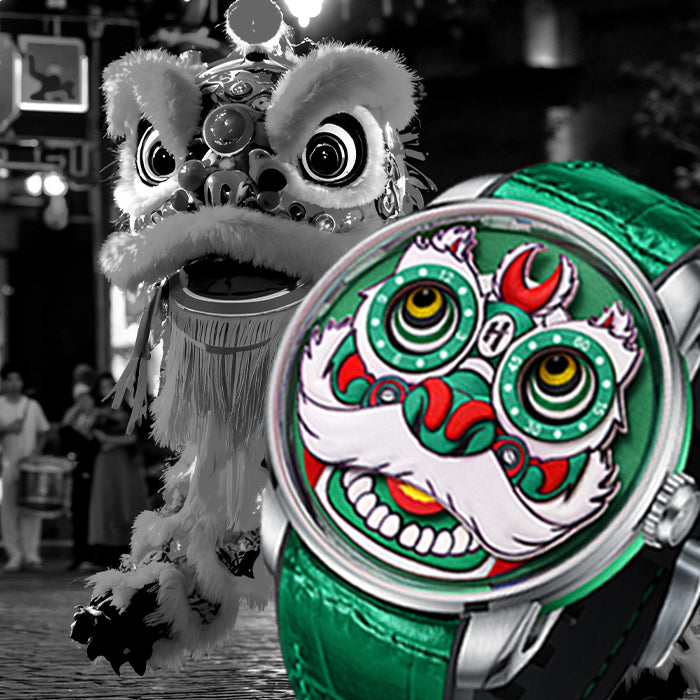
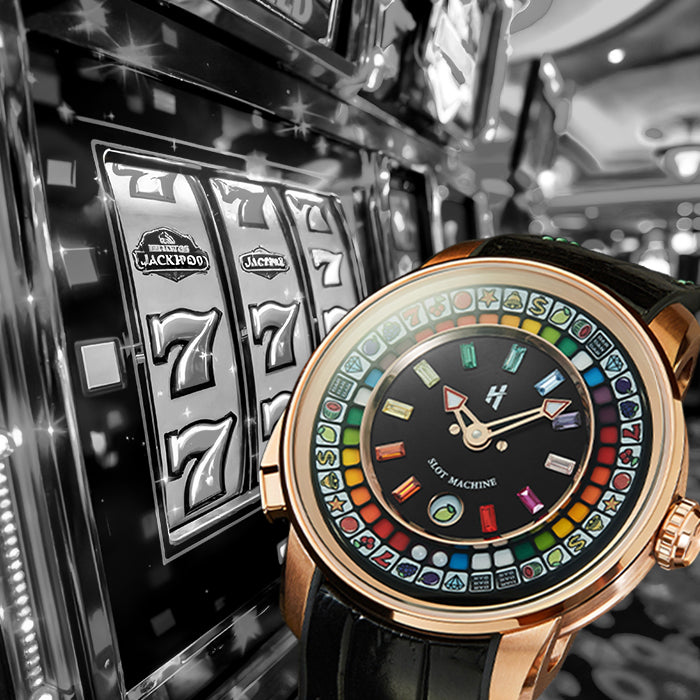
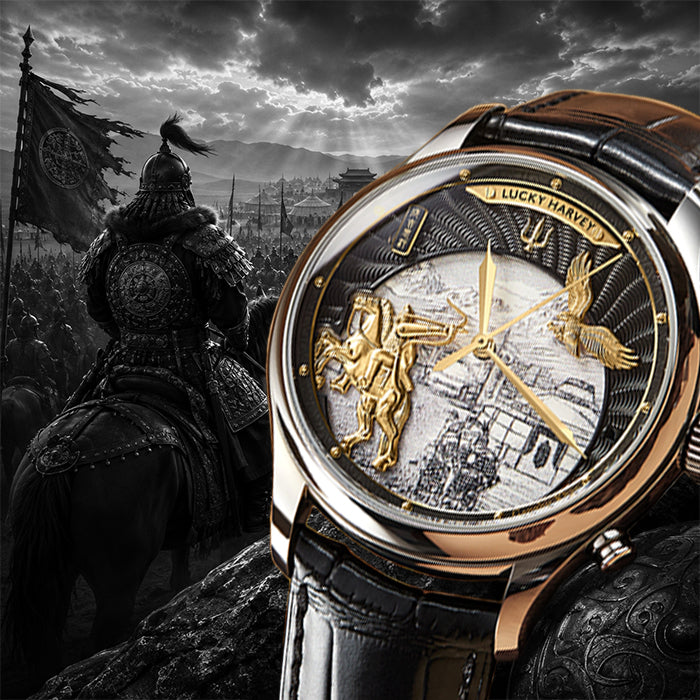
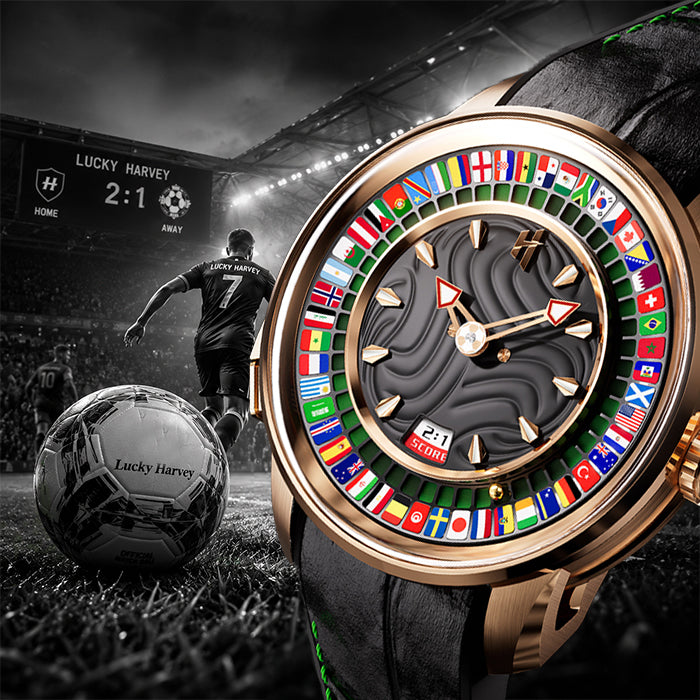




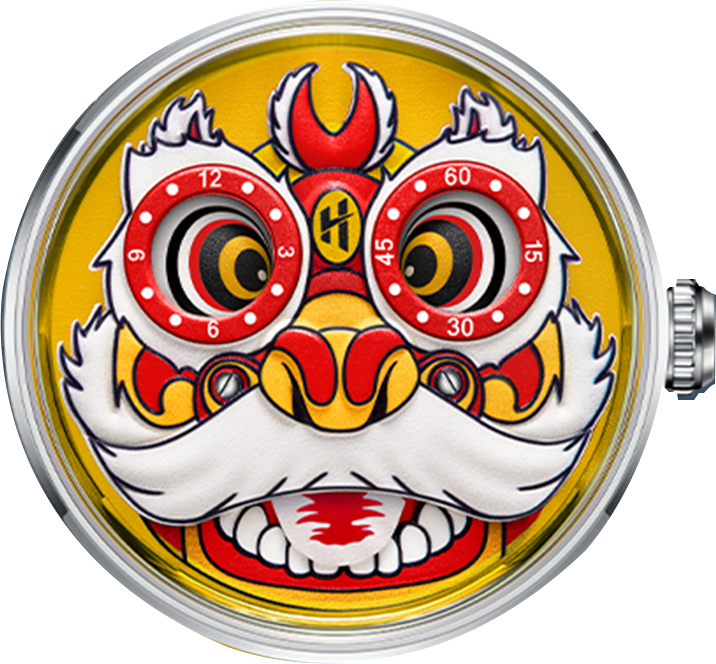
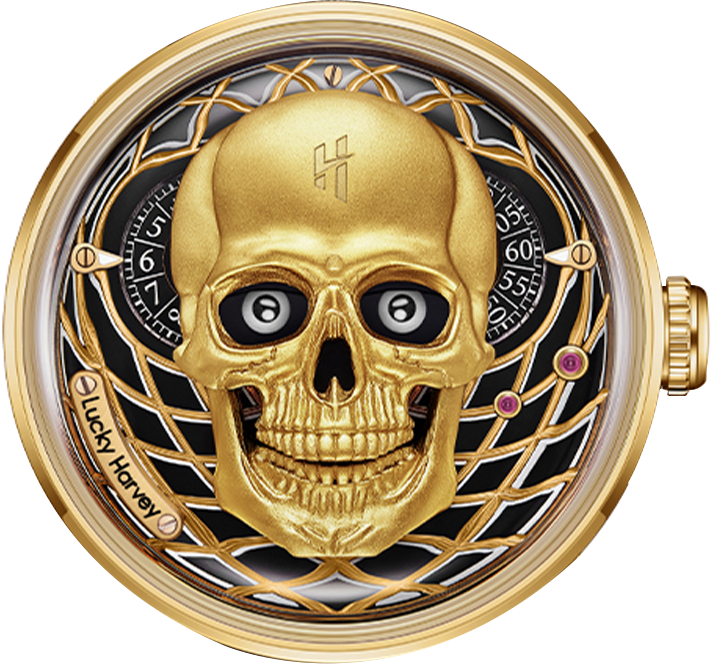

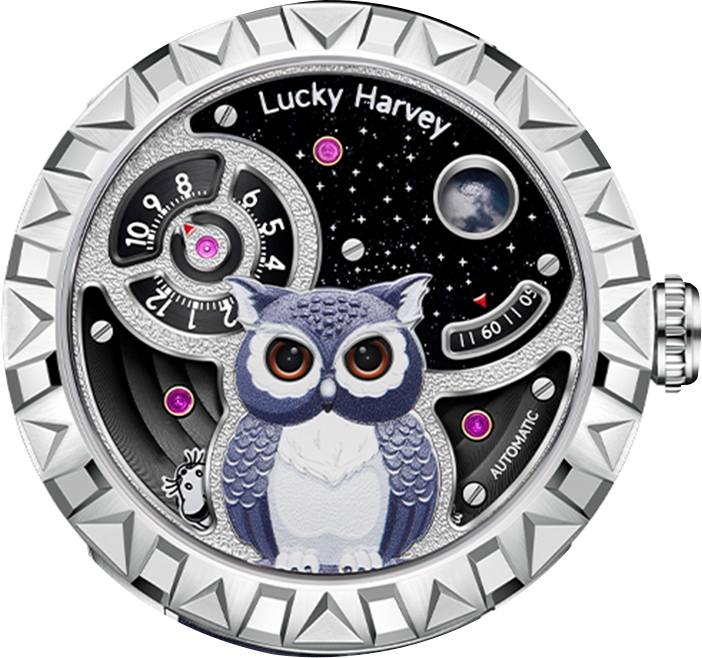
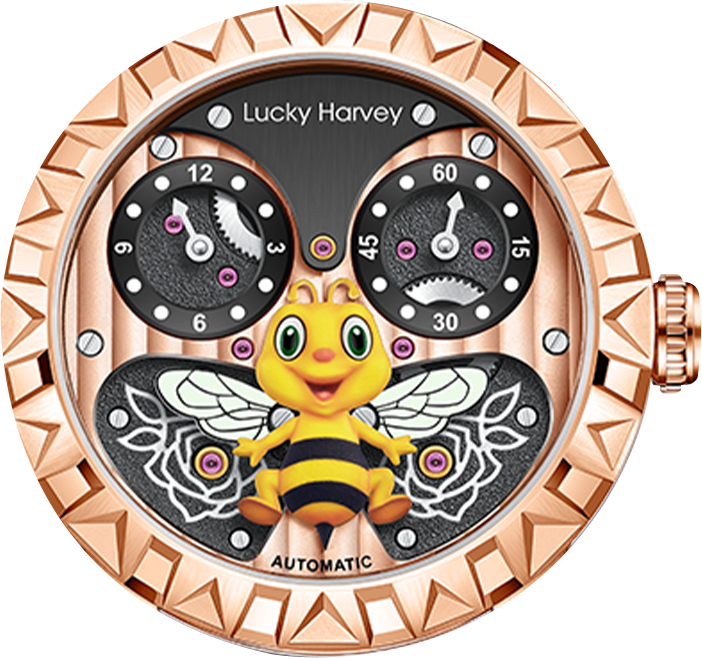

For most of the 20th century, “Swiss Made” was synonymous with quality watchmaking. Chinese watches meant cheap quartz exports sold by the millions at razor-thin margins. That story has not been accurate for at least a decade, and in 2026 it is actively misleading. The highest end of Chinese watchmaking is producing complications, finishing, and movement quality that directly competes with Swiss brands at two to five times the price. Here is what changed and why it matters for buyers.
The Manufacturing Revolution
China’s watchmaking transformation began with manufacturing infrastructure. The same CNC machining centers, surface finishing equipment, and quality control systems used by Swiss manufacturers are available to Chinese makers — often from the same European and Japanese suppliers. The difference in tooling between a top Chinese watch factory and a Swiss atelier in 2026 is negligible. What was once a massive equipment gap has closed completely.
More importantly, Chinese watchmakers invested heavily in human capital. A generation of watchmakers trained in Switzerland, Germany, and Japan returned to China and brought their skills with them. They did not just replicate Swiss techniques — they combined them with traditional Chinese decorative arts like enamel work, relief carving, and jade finishing that European makers have no tradition in.
Movement Quality: Where the Real Comparison Lives
The movement is the heart of any mechanical watch, and this is where the Swiss advantage has traditionally been strongest. Swiss movements from ETA, Sellita, and the big in-house manufacturers set the global standard for reliability and accuracy.
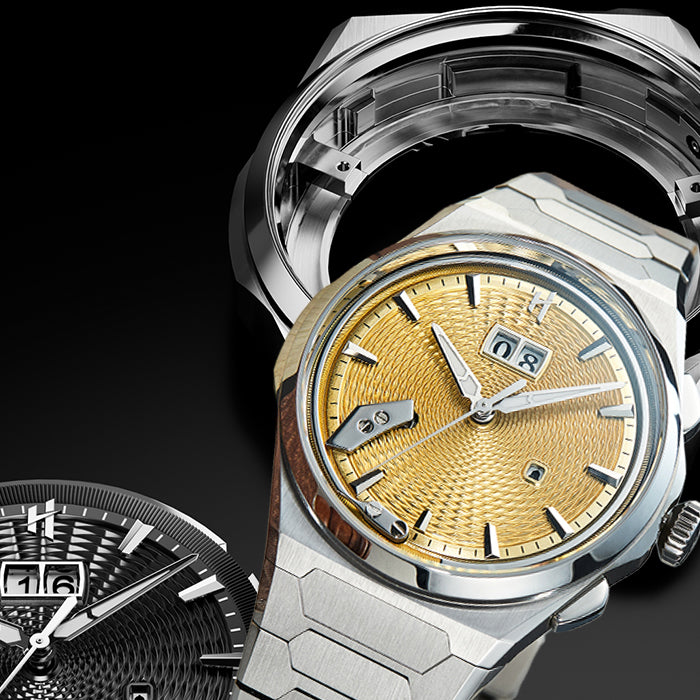
Chinese movement manufacturers have closed this gap significantly. The Hangzhou Watch Factory, Sea-Gull (Tianjin), and Beijing Watch Factory now produce movements with specifications that match or exceed many Swiss equivalents — decorated bridges, adjusted accuracy within COSC-equivalent tolerances, and reliable long-term performance. The Sea-Gull ST19 chronograph movement, for example, is a hand-wind column wheel chronograph that costs a fraction of its Swiss equivalent and has earned respect from watchmakers worldwide.
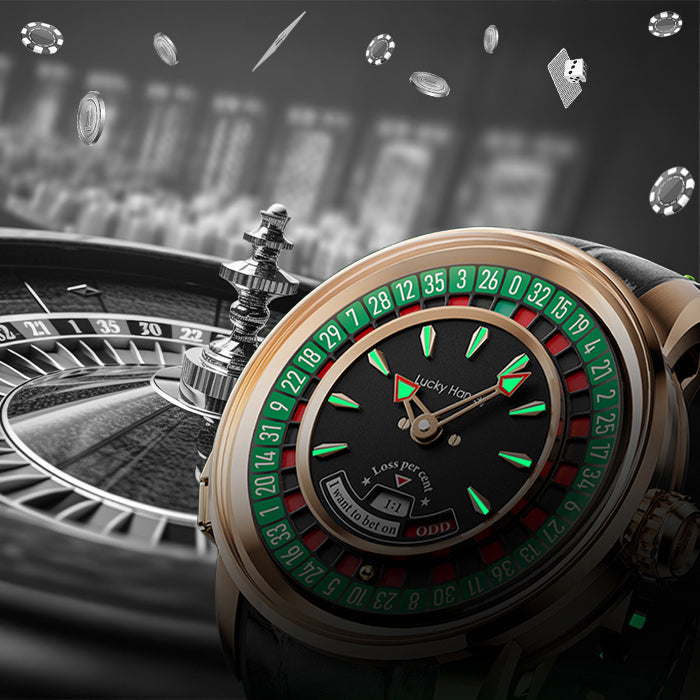
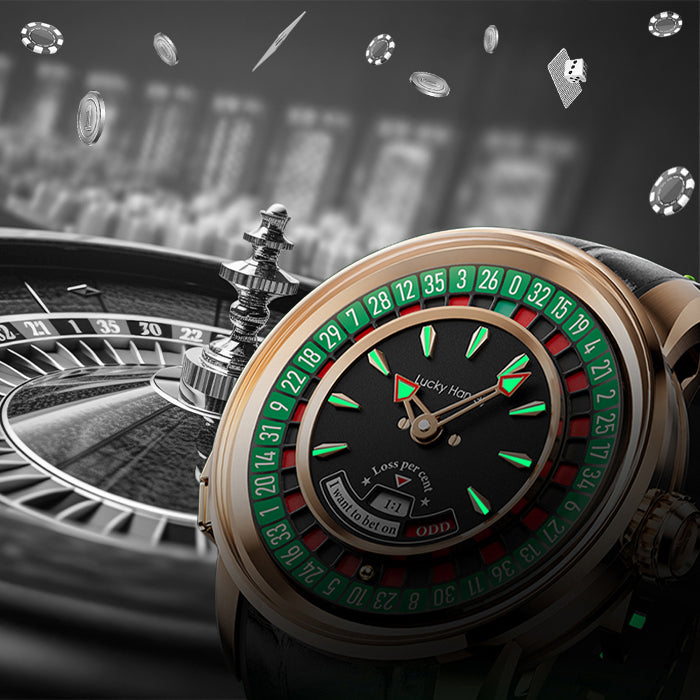
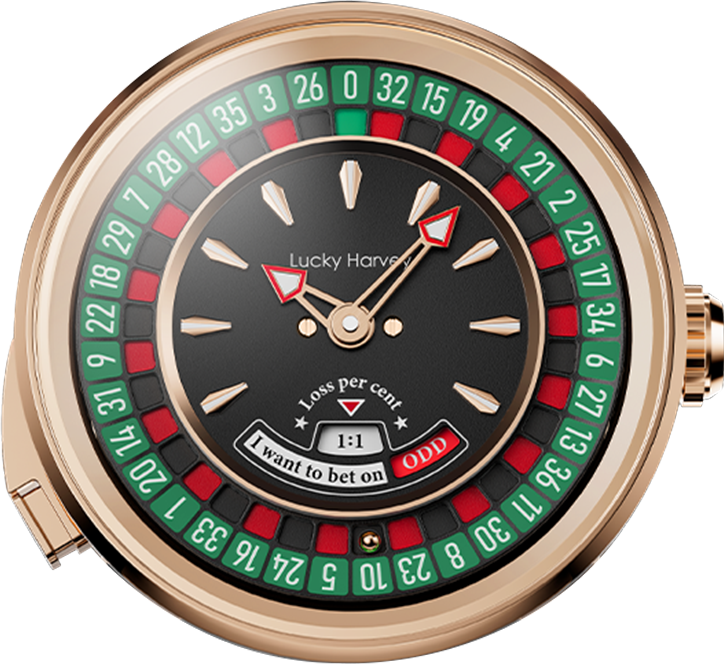
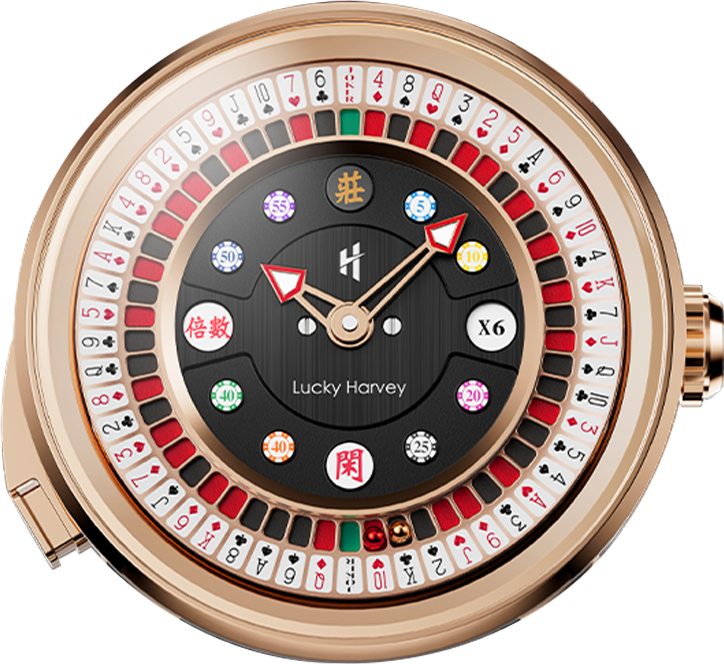
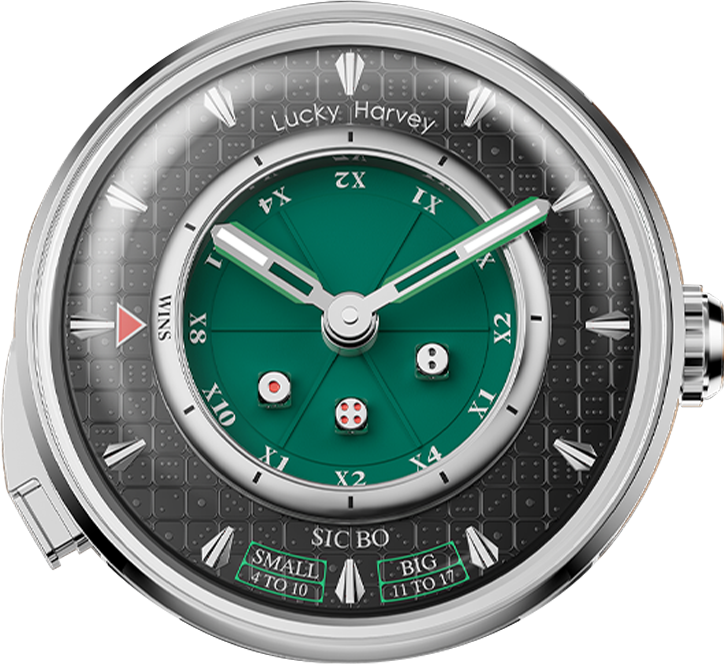
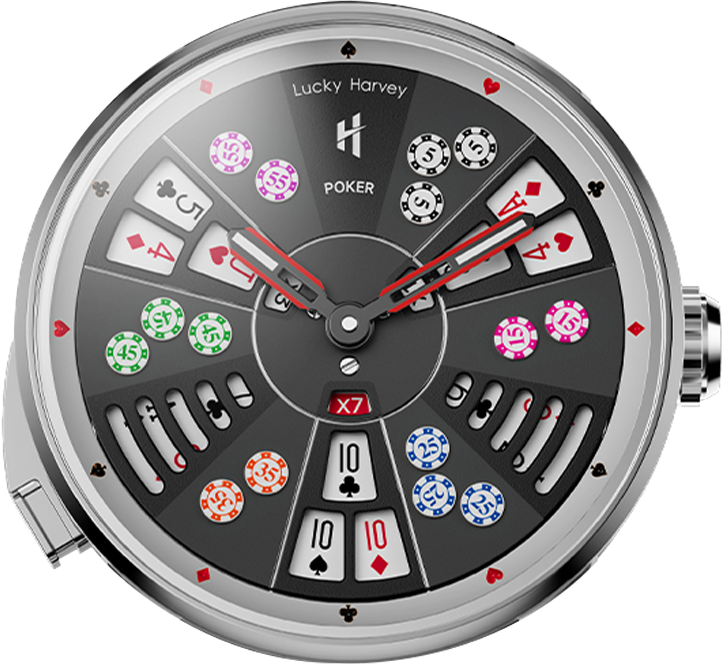
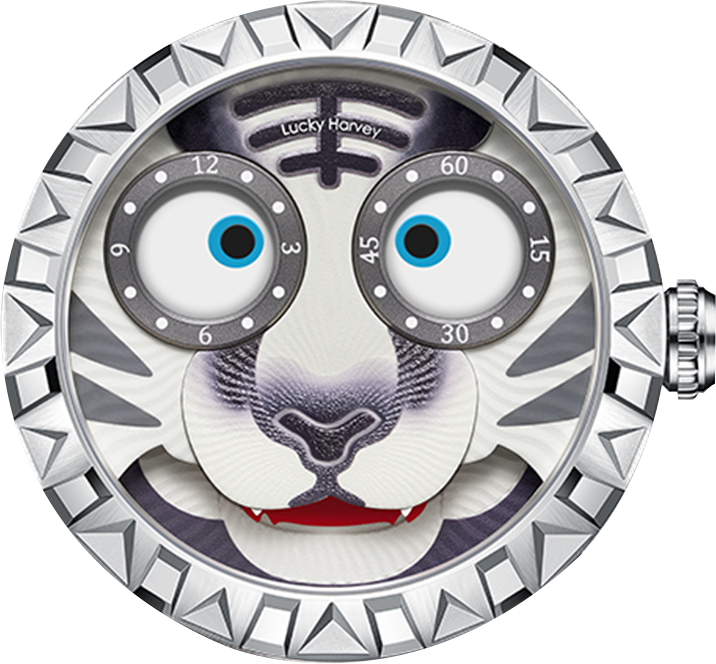
Lucky Harvey uses carefully selected and decorated movements with hand-finished components. The automaton complications in our chiming watches require an additional movement module that is designed and assembled entirely in-house — a level of complication work that very few Swiss brands attempt at any price.
Complications: China’s Secret Advantage
This is where the story gets genuinely interesting. Chinese watchmakers are producing complications — automata, minute repeaters, chiming mechanisms, animated dials — that most Swiss brands either cannot make or price into the six-figure range. The reason is labor economics combined with genuine skill.
A chiming automaton watch requires hundreds of hours of hand assembly and adjustment. In Switzerland, those hours cost $80–$150 each. In China, the same skill level costs a fraction of that — not because the workers are less skilled, but because the cost of living is lower. The result is that a Chinese-made chiming automaton with hand-finished decoration and genuine mechanical complexity can retail for $1,500–$2,500 instead of $50,000–$200,000.
This is not a quality compromise. It is an economic reality that benefits the buyer.
Finishing and Decoration
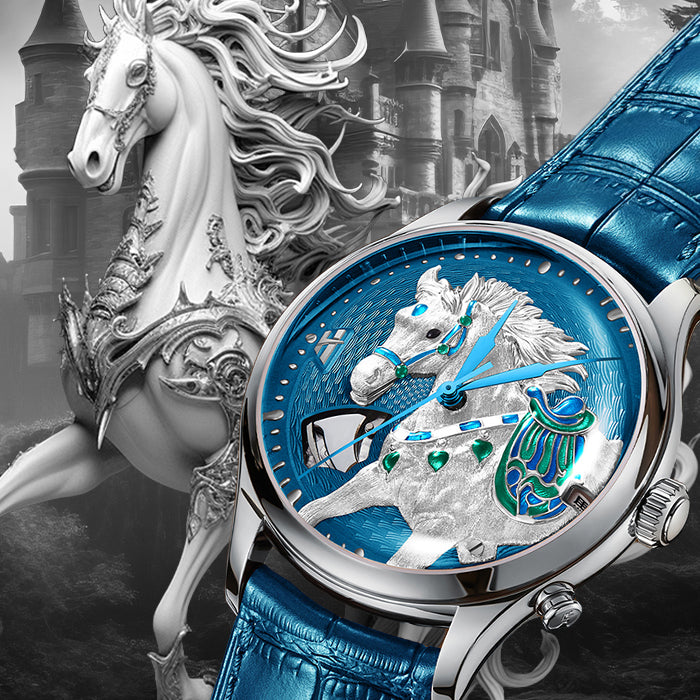
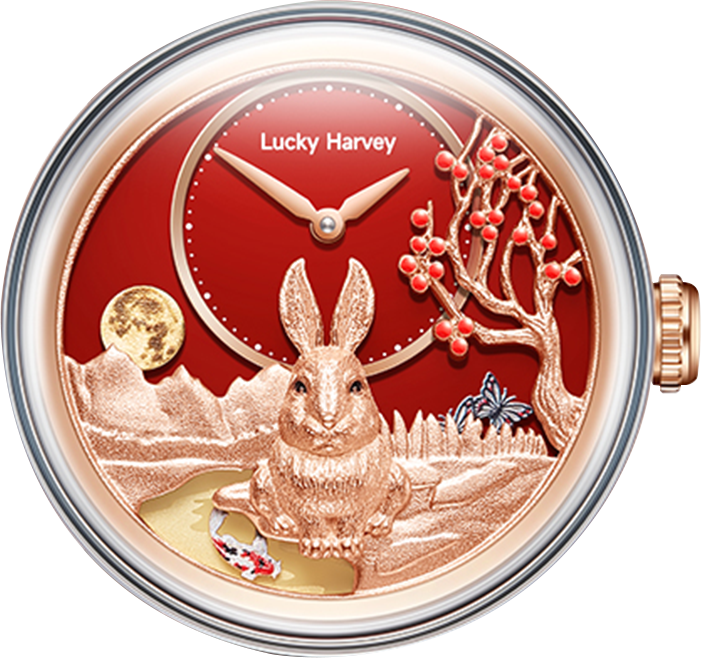
Hand finishing is where Chinese watchmakers have a unique cultural advantage. Chinese decorative arts — enamel painting, relief carving, filigree metalwork, jade and stone setting — have centuries of tradition that predate European watchmaking entirely. When Chinese watchmakers apply these techniques to watch dials and cases, the results are unlike anything coming out of Switzerland.
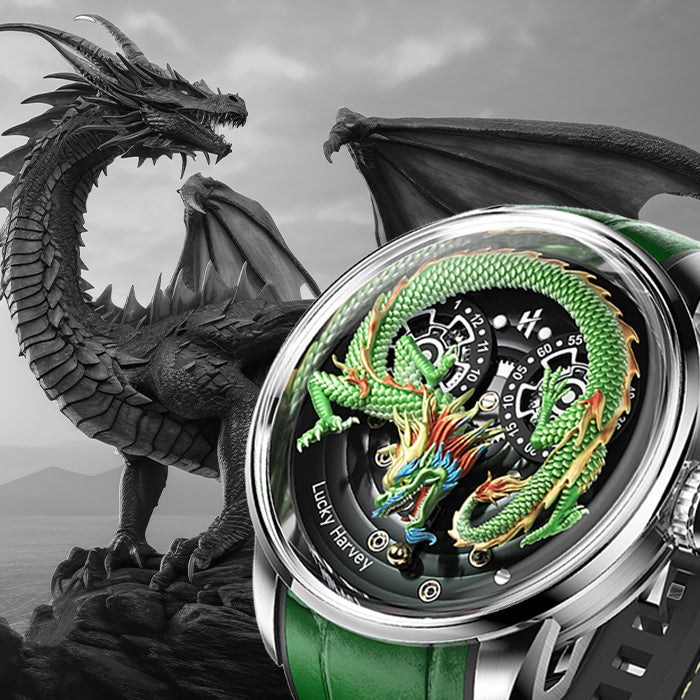
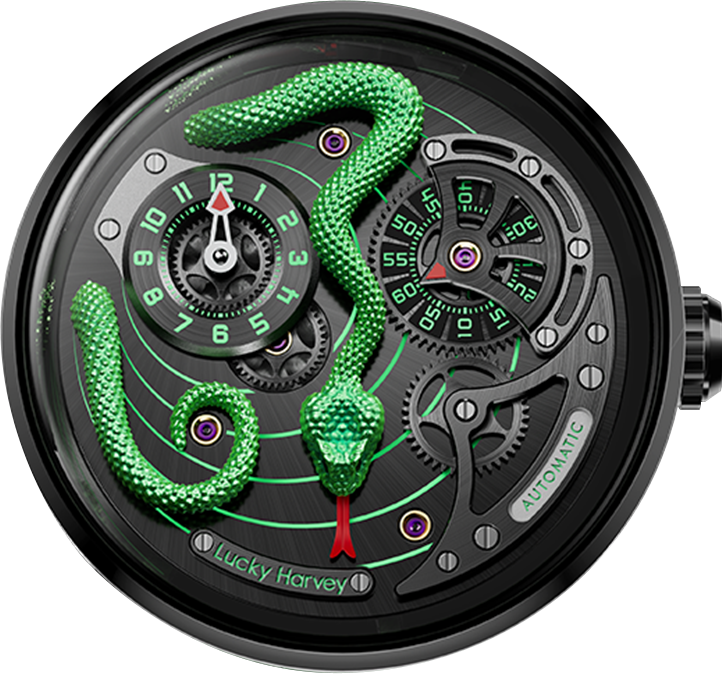
The Lucky Harvey dragon dial uses raised relief carving techniques that trace back to Ming Dynasty metalwork. The enamel dials in our snake collection use grand feu firing methods refined over generations. These are not imitations of Swiss techniques — they are applications of Chinese artistic traditions to a Swiss-invented platform, and the combination produces something genuinely new.
What Swiss Brands Still Do Better
Fairness matters in a comparison like this. Swiss brands still hold advantages in several areas. Brand heritage and recognition — a Rolex or Omega carries cultural cachet that no Chinese brand has yet matched. Resale value — Swiss watches from established brands hold their value on the secondary market far better than Chinese pieces, though this is slowly changing for the best Chinese makers. Long-term service infrastructure — Swiss brands have global service networks built over decades that Chinese brands are still developing.
There is also a perception gap. Many buyers still associate “Made in China” with low quality, regardless of the actual product. This perception is outdated but persistent, and it means Chinese watchmakers have to over-deliver on quality just to be considered alongside Swiss brands.
The Value Equation
Here is the bottom line for buyers. If you are paying for a brand name, a heritage story, and guaranteed resale value, Swiss watches still win. If you are paying for mechanical quality, finishing, complications, and dial artistry per dollar spent, the best Chinese watchmakers offer dramatically better value in 2026.
A Lucky Harvey automaton chiming watch with hand-finished enamel dial, animated complication, and decorated automatic movement retails for under $2,400. The nearest Swiss equivalent — if one exists — would cost $30,000 to $100,000. The movements are comparably reliable. The finishing is comparably detailed. The complication works the same way. The difference is the name on the dial and the country of origin.
For collectors who care about what the watch actually is rather than what the logo says, 2026 is the best time in history to be buying Chinese luxury watches.
READY TO SHOP?
Browse the full Lucky Harvey collection and see what Chinese luxury watchmaking looks like in 2026, or join our Collector’s List for early access to new drops, restocks and subscriber-only pricing.